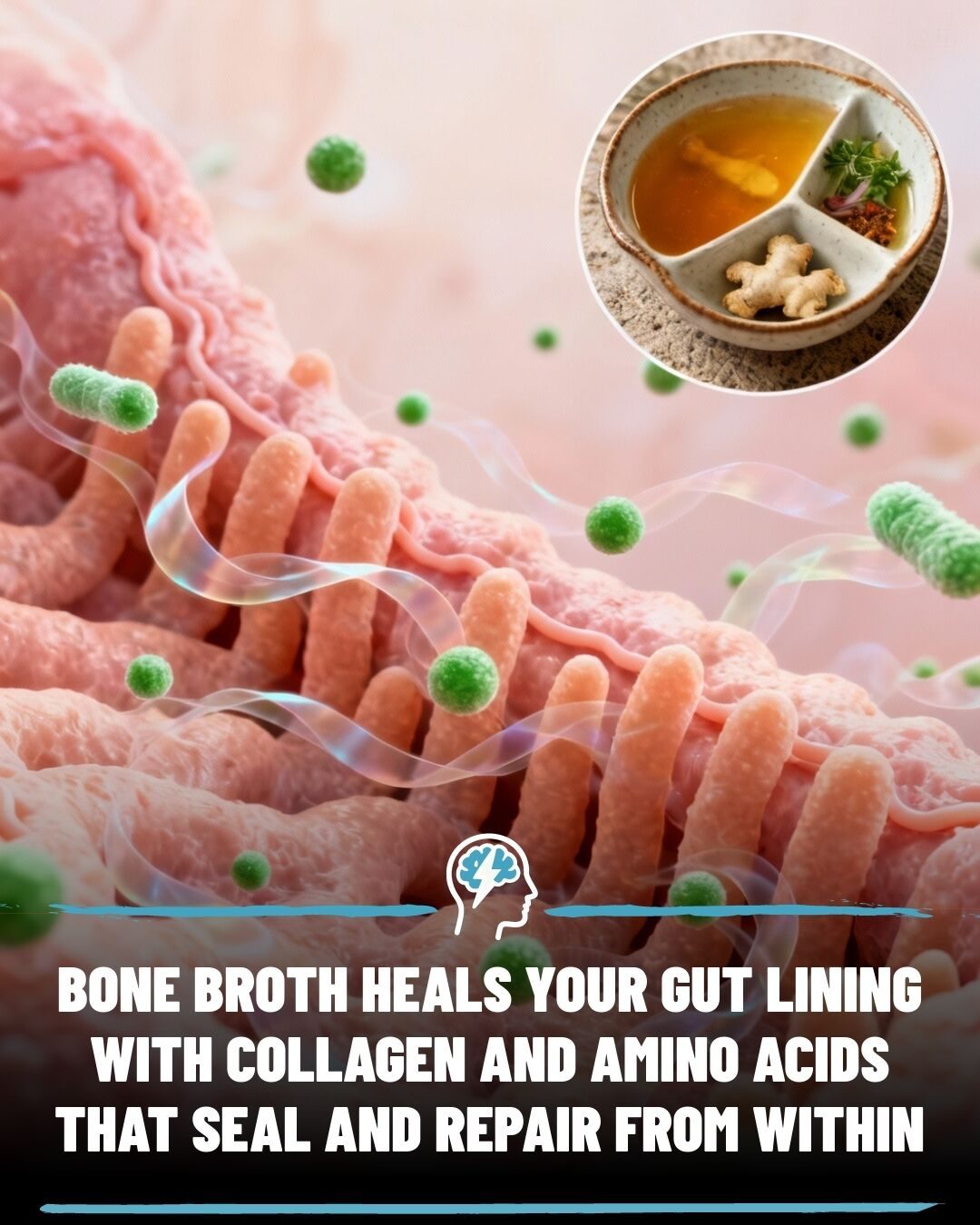
Bone Broth and Gut Health: What You Need to Know
Bone broth has gained significant attention for its potential health benefits, particularly its role in supporting gut health. The idea that bone broth can heal the gut lining and improve overall digestive function has captured the interest of many health enthusiasts. However, the scientific evidence behind these claims is complex and warrants a closer look.
Why This Matters
Gut health has become a hot topic in recent years, and for good reason. The gut plays a crucial role in various bodily functions, including digestion, immune function, and even mental health. Many people turn to dietary interventions to support their gut health, and bone broth has emerged as a popular option. Understanding the true benefits and limitations of bone broth can help individuals make informed decisions about their dietary choices.
The Science Behind Bone Broth and Gut Health
Bone broth is rich in amino acids and collagen, which are believed to contribute to its potential health benefits. Studies have suggested that these components can support gut health in several ways:
Glutamine, one of the key amino acids found in bone broth, serves as fuel for the cells lining your intestines. This can help repair and maintain the integrity of the intestinal barrier, which is essential for keeping harmful substances out of the body. Glycine and proline, two other amino acids present in bone broth, can help rebuild connective tissue and reduce inflammatory markers in the gut.
The collagen and gelatin in bone broth are also thought to support the integrity of the intestinal barrier. Imagine your gut lining as a protective wall. These compounds can help strengthen that barrier and support the mucus layer that keeps things running smoothly. Strengthening the intestinal barrier is crucial for preventing issues like leaky gut syndrome, which can lead to various health problems.
However, it's important to note that while the biological mechanisms behind these benefits are plausible and supported by peer-reviewed research, not all experts agree on the efficacy of bone broth. One authoritative medical source has directly stated that the evidence does not support bone broth being a reliable source of these beneficial compounds in clinically meaningful amounts. The question isn't whether these amino acids can help your gut; it's whether bone broth actually delivers them in significant quantities.
The Benefits of Collagen and Amino Acids
Bone broth is often praised for its collagen and amino acid content, which are believed to contribute to its gut-healing properties. Let's break down these components and their roles in supporting gut health:
Collagen
Collagen is a protein that provides structure to various tissues in the body, including the skin, bones, and intestines. In the gut, collagen helps to maintain the integrity of the intestinal lining, which acts as a barrier to prevent harmful substances from entering the bloodstream.
Amino Acids
Amino acids are the building blocks of proteins, and bone broth contains several that are beneficial for gut health. These include:
- Glutamine: This amino acid serves as a primary fuel source for the cells lining the intestines. It plays a crucial role in maintaining the integrity of the intestinal barrier and helping to repair any damage that occurs.
- Glycine: Glycine is involved in the synthesis of collagen and plays a role in reducing inflammation in the gut. It can help to rebuild connective tissue and support the overall health of the intestinal lining.
- Proline: Proline is another amino acid that contributes to the production of collagen. It helps to strengthen the intestinal barrier and reduce inflammation.
Practical Tips for Incorporating Bone Broth into Your Diet
If you're interested in trying bone broth to support your gut health, there are a few things to keep in mind. Here are some practical tips for incorporating bone broth into your diet:
Choosing the Right Bone Broth
Not all bone broths are created equal, and the quality of the broth can impact its potential benefits. Look for bone broth that is made from high-quality, grass-fed or pasture-raised animals. This ensures that the broth is rich in nutrients and free from harmful additives.
Protein Content
Some research suggests looking for bone broth options with at least 8 grams of protein per 250ml serving to potentially obtain meaningful levels of the beneficial compounds. This can help ensure that you're getting a sufficient amount of the amino acids and collagen that support gut health.
Incorporating Bone Broth into Meals
Bone broth can be enjoyed in various ways, making it easy to incorporate into your diet. Some popular options include:
- Sipping it plain: For a simple and straightforward approach, you can sip bone broth like a warm beverage. This is a great way to enjoy the benefits of bone broth without any additional ingredients.
- Using it as a base for soups and stews: Bone broth can serve as a nutrient-rich base for soups and stews, adding depth of flavor and potential health benefits.
- Cooking with it: You can also use bone broth as a cooking liquid for various dishes, such as rice or quinoa. This can help to infuse the nutrients from the broth into your meals.
Important Takeaways
Bone broth has the potential to support gut health through its amino acid and collagen content. These components can help to repair and maintain the integrity of the intestinal lining, reducing inflammation and supporting overall gut function. However, it's essential to recognize that the evidence is not conclusive, and more research is needed to determine the true benefits of bone broth. When incorporating bone broth into your diet, choose high-quality options and look for those with sufficient protein content to maximize potential benefits.
Conclusion
Bone broth may offer gut health benefits, but it's not a magic cure. Results can vary by individual, and it works best as part of an overall healthy diet rather than a standalone treatment. If you have digestive concerns, it's always a good idea to work with a healthcare provider to address your specific needs. By understanding the science behind bone broth and its potential benefits, you can make informed decisions about incorporating it into your diet.
Questions readers ask
What are the key components in bone broth that support gut health?
Bone broth contains amino acids, collagen, and gelatin, which are believed to support gut health. These components may help in repairing the gut lining and reducing inflammation, but scientific research is ongoing to confirm these benefits.
Can bone broth help repair the gut lining?
Some studies suggest that the collagen and gelatin in bone broth may help repair the gut lining by promoting the production of mucus and strengthening the intestinal barrier. However, more research is needed to conclusively determine its effectiveness.
How do the amino acids in bone broth benefit gut health?
The amino acids in bone broth, such as glycine and proline, are essential for maintaining a healthy gut lining. These amino acids may help reduce inflammation and support the growth of beneficial gut bacteria, which could contribute to overall gut health.
Is there scientific evidence that bone broth reduces inflammation?
Some research indicates that the collagen and amino acids in bone broth may have anti-inflammatory properties, which could potentially reduce inflammation in the gut. However, the scientific evidence is not yet conclusive, and more studies are needed to fully understand this relationship.
How can I incorporate bone broth into my diet for potential gut health benefits?
You can incorporate bone broth into your diet by using it as a base for soups and stews, drinking it as a beverage, or using it in recipes that call for broth or stock. It can be consumed throughout the day, but be sure to consult with a healthcare provider before making significant dietary changes.
Does bone broth help with digestive issues?
Bone broth is believed to support digestive health through its potential to repair the gut lining and reduce inflammation. However, the effectiveness varies among individuals, and it is not a guaranteed cure for digestive issues. Always consult with a healthcare professional before relying on bone broth to address specific digestive problems.
What should I look for when purchasing bone broth for gut health support?
When purchasing bone broth, look for products that are made from high-quality ingredients, such as grass-fed or organic bones, and have a low sodium content. Additionally, choose bone broths that are slow-cooked to ensure the extraction of beneficial nutrients like collagen and amino acids.
Related deep dives
Similar reads based on topic and creator.



Recent articles
Fresh deep dives from the latest Reels we unpacked.




Comments
Be the first to comment.