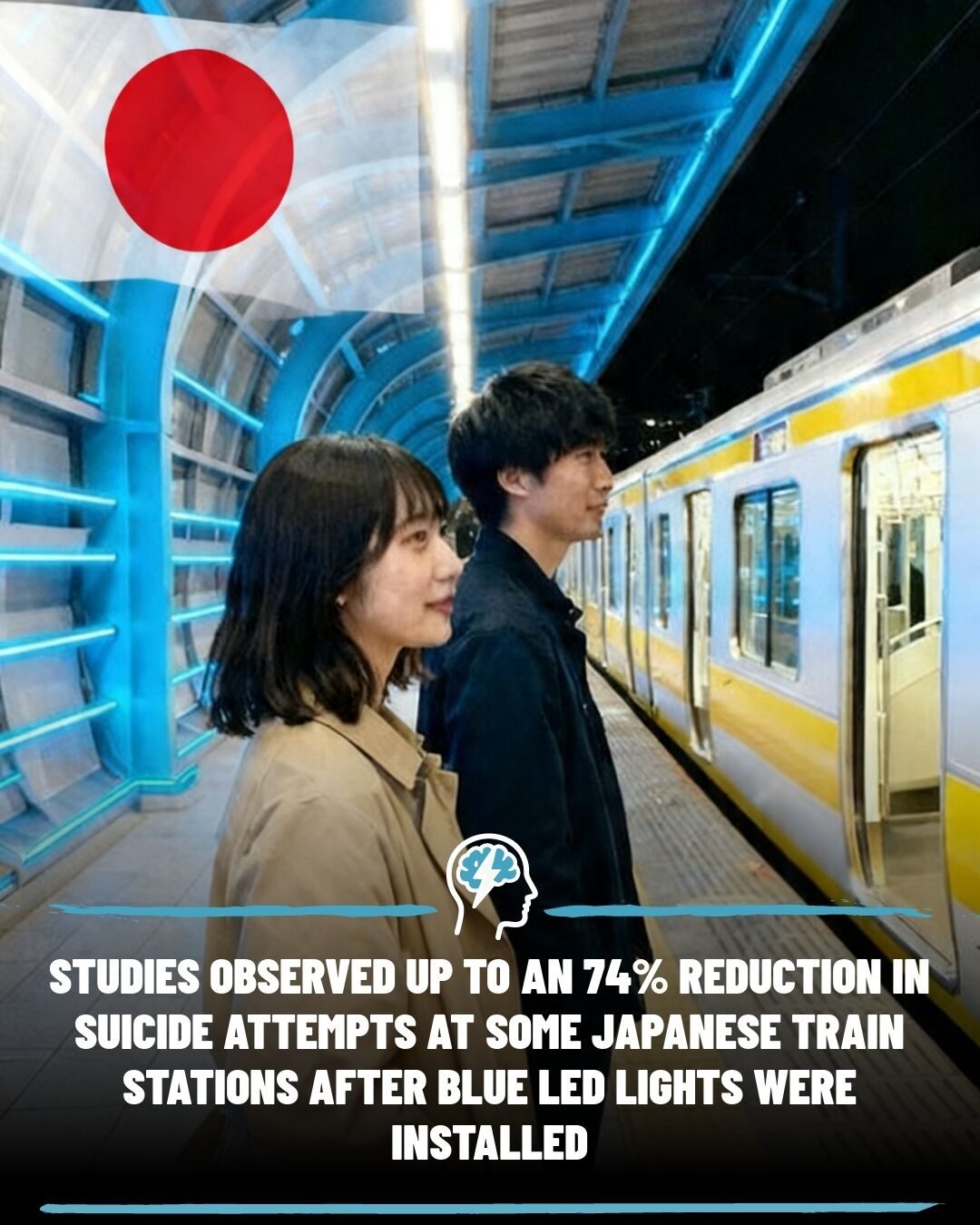
Blue LED Lights and Suicide Prevention: A Japanese Study
The installation of blue LED lights at some Japanese train stations has led to an unexpected and significant reduction in suicide attempts. This innovative approach highlights how subtle environmental changes can have a profound impact on mental health.
Why This Matters
Suicide prevention is a critical global issue. According to the World Health Organization, nearly 800,000 people die by suicide each year. Japan, in particular, has grappled with high suicide rates for decades, making any effective preventative measure noteworthy. The installation of blue LED lights at train stations offers a unique perspective on how infrastructure can play a role in mental health support.
Environmental Factors and Mental Health
The Blue Light Effect
Studies observed up to a 74% reduction in suicide attempts at some Japanese train stations after blue LED lights were installed. These findings from a Tokyo panel analysis suggest that the blue lighting might interrupt a vulnerable moment, rather than simply relocating the risk to nearby platforms. The exact reasons behind this effect are still under investigation, but it hints at the potential of environmental factors in influencing behavior and mood.
How Blue Light Might Help
Blue light has been shown to have various effects on the human body, including regulating sleep patterns and affecting mood. It is possible that the calming effect of blue light helps to mitigate suicidal ideation in vulnerable individuals. The light could serve as a subtle reminder of safety and support, providing a moment of pause for those in distress.
Limitations and Context
While the results are promising, it is important to note that only about 14% of suicide attempts occur in situations where blue lighting could be effective. This means that blue lighting is not a cure-all but rather one tool in a broader suite of preventative measures. The lights are most effective when combined with comprehensive mental health resources, such as crisis hotlines and support services.
Environmental Design and Mental Health
The Role of Architecture
The broader takeaway is that small environmental tweaks, such as changes in lighting, color, and design, can influence behavior and mood. This concept is part of a broader field of study known as environmental psychology, which examines how physical surroundings affect mental health and well-being.
Innovation in Prevention
Innovative architectural choices, like blue LED lights, represent a new frontier in suicide prevention. By recognizing that mental health support can come from unexpected places, we open up new avenues for intervention. For example, ensuring that public spaces are well-lit and visually appealing can contribute to a sense of safety and security.
Practical Tips for Implementing Blue Light Solutions
Identifying Key Locations
To implement similar solutions, it's essential to identify key locations where suicide attempts are more likely to occur. These might include train stations, bridges, and other public spaces. Collaborating with local authorities and mental health experts can help pinpoint these high-risk areas.
Ensuring Comprehensive Support
While blue lighting can be a helpful tool, it should always be part of a broader support system. This includes providing access to crisis hotlines, mental health counseling, and other resources. The goal is to create a network of support that can intervene at various levels, from immediate crisis situations to long-term mental health care.
Communicating the Purpose
Make it clear that the purpose of the blue lights is to provide a calming and reassuring environment. Including signs or notices that explain the purpose can help people understand the support being offered and may encourage those in distress to reach out for help.
Important Takeaways
- Blue lighting at train stations has shown a significant reduction in suicide attempts, highlighting the potential of environmental factors in mental health support.
- The blue light effect is just one tool in a broader suite of preventative measures and is most effective when combined with comprehensive mental health resources.
- Small environmental tweaks, such as changes in lighting, color, and design, can influence behavior and mood.
- Innovative architectural choices can play a crucial role in suicide prevention.
Conclusion
The installation of blue LED lights at Japanese train stations serves as a powerful example of how environmental design can contribute to suicide prevention. While blue lighting is not a one-size-fits-all solution, it demonstrates the potential of small, strategic changes in our surroundings to support mental health. By integrating such measures into a broader network of support, we can create safer, more compassionate environments for everyone.
Questions readers ask
How do blue LED lights at train stations help reduce suicide attempts?
Blue LED lights create an environment that is less conducive to impulsive actions. The color blue is often associated with calmness and tranquility, which can help deter individuals from acting on suicidal thoughts. Additionally, the lights increase visibility on the platform, making it harder for someone to attempt suicide unnoticed.
Why were blue LED lights chosen for this purpose?
Blue LED lights were chosen due to their psychological impact and practical benefits. Blue light is known to have a calming effect and can improve visibility, especially in low-light conditions. This combination makes it an effective tool for both deterring suicide attempts and enhancing overall platform safety.
Have there been other environmental changes implemented in Japan to support mental health?
While blue LED lights are one of the innovative solutions, the Japanese have also implemented other environmental changes such as installing phone booths with support lines. These changes were put in place to make it harder for individuals to act on suicidal thoughts by providing immediate access to help.
What are the implications of using lighting as a suicide prevention measure in Japan?
The use of lighting as a suicide prevention measure demonstrates that subtle changes to infrastructure can have a significant impact on mental health. This approach is non-intrusive, cost-effective, and can be easily replicated in other locations, making it a promising strategy for suicide prevention globally.
Can the effectiveness of blue LED lights in suicide prevention be replicated in other countries?
Yes, the effectiveness of blue LED lights in suicide prevention can potentially be replicated in other countries. The psychological impact of blue light is universal, and increasing visibility can deter impulsive actions. While cultural and environmental factors may influence the results, the overall principle can be adapted to various settings.
How do blue LED lights contribute to overall mental health support?
Blue LED lights contribute to overall mental health support by creating a more positive and calming environment. Seeing blue lights can act as a subtle reminder to seek help, whether through crisis hotlines or other support systems. This approach provides a passive form of support that can reach individuals in a time of crisis without being overtly noticeable.
What other measures can be taken alongside blue LED lights to enhance mental health support?
Alongside blue LED lights, other measures such as installing panic buttons, increasing staff presence, and providing clear signage for support services can further enhance mental health support. These measures work together to create a comprehensive approach to suicide prevention, ensuring that individuals in crisis have access to the help they need.
Related deep dives
Similar reads based on topic and creator.



Recent articles
Fresh deep dives from the latest Reels we unpacked.




Comments
Be the first to comment.