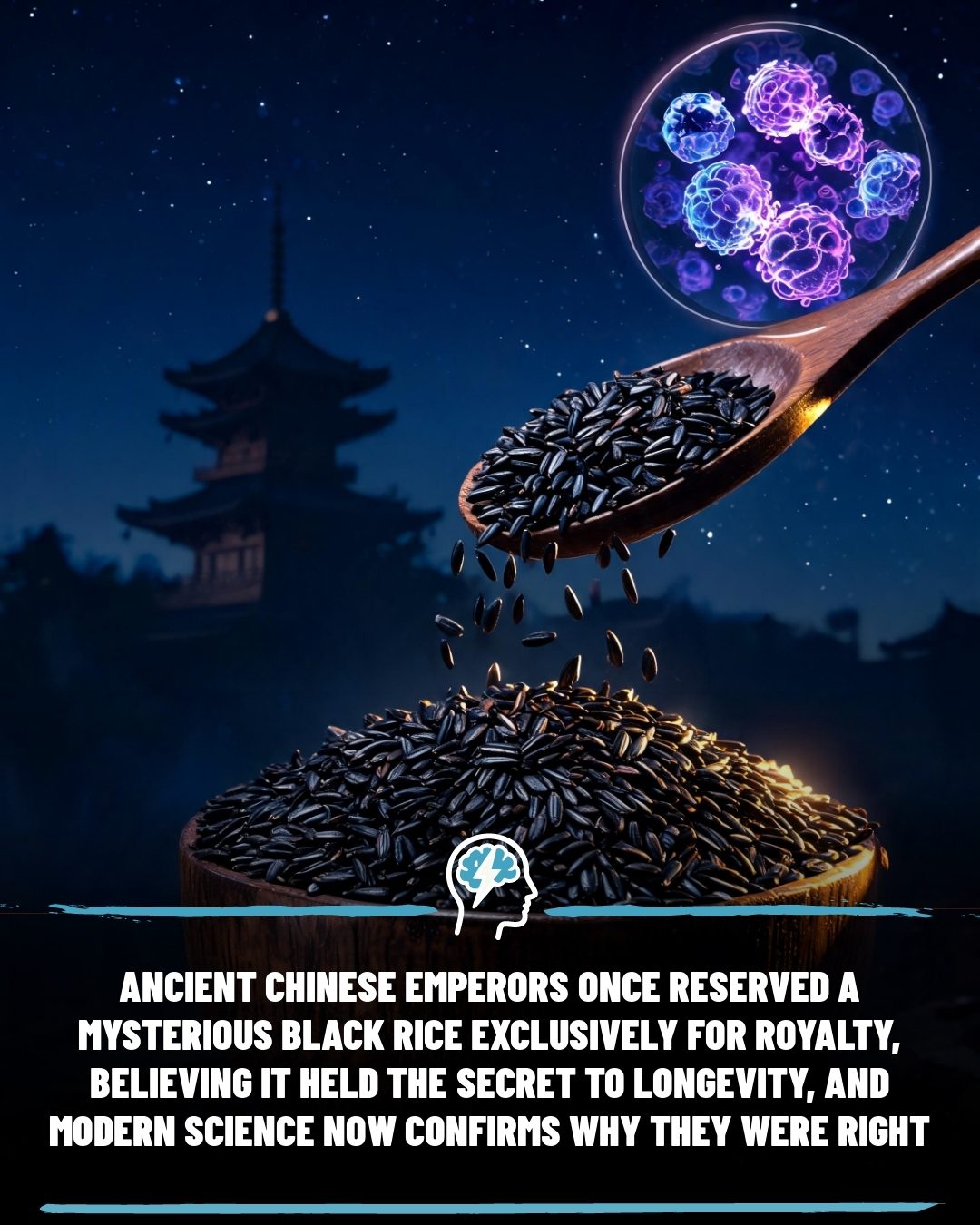
The Ancient Mystique and Modern Benefits of Black Rice
Historically, black rice was a delicacy reserved exclusively for royalty, particularly in ancient China. Ancient Chinese emperors, believing it held the secret to longevity, ate it while the general public was forbidden to enjoy this rare, nutritious grain. This "forbidden rice" was prized for its unique texture, nutty flavor, and purported health benefits, remaining within the palace walls for centuries. Modern nutritional research now confirms that the deep purple color of black rice comes from anthocyanins, the same powerful antioxidants found in blueberries and blackberries. More importantly, black rice contains significantly more of these antioxidants.
The Imperial Legacy of Black Rice
Black rice has a rich history intertwined with imperial Chinese culture. Ancient Chinese Emperors, recognizing its extraordinary qualities, reserved it for their own consumption. This exclusivity earned black rice the moniker "forbidden rice." The belief in its longevity-promoting properties was deeply rooted in traditional Chinese medicine, which often advocated for the consumption of foods with vibrant colors as indicators of their healing potential. The deep purple hue of black rice signaled its potent nutritional value, making it a prized commodity in imperial courts.
Modern Nutritional Science and Black Rice
The modern scientific community has since validated the ancient beliefs surrounding black rice. Research has revealed that the deep purple color of black rice is due to anthocyanins, powerful antioxidants found in various fruits and vegetables. Anthocyanins are known for their anti-inflammatory and antioxidant properties, contributing to overall health by fighting oxidative stress. Black rice, rich in anthocyanins, has a higher concentration of these compounds in its outer bran layer.
Comparison with Other Rice Types
When comparing black rice to more commonly consumed rice varieties like white and brown rice, several nutritional superiority stands out. Black rice boasts a higher fiber content, aiding in digestion and weight management. It also contains more plant protein than most cereal grains, making it a valuable addition to vegetarian or vegan diets.
Iron and vitamin E are two critical nutrients found in higher quantities in black rice. These nutrients are essential for immune support, cellular repair, and overall bodily functions. Additionally, black rice has a lower glycemic index, meaning it causes a slower and lower rise in blood sugar levels compared to white rice, making it a better choice for maintaining stable blood sugar levels.
Superiority Over Berries
Berries, often celebrated for their antioxidant content, pale in comparison to black rice when it comes to anthocyanins. Black rice bran has been found to contain more of these potent antioxidants than fresh blueberries. Besides, black rice offers additional benefits like higher fiber and lower sugar content, making it a more cost-effective and versatile dietary choice.
Practical Tips for Incorporating Black Rice into Your Diet
Adding black rice to your diet is easier than you might think. Here are a few practical tips to help you incorporate this superfood into your daily meals:
Choosing and Preparing Black Rice
Look for black rice in the health food sections of supermarkets or specialty stores. Rinse it thoroughly before cooking to remove any impurities. The cooking process is similar to brown rice, requiring a higher water-to-rice ratio and a longer cooking time. Typically, a 1:2.5 ratio of rice to water will yield tender, cooked grains.
Substituting Black Rice in Dishes
Black rice can be used as a substitute for brown or white rice in a variety of dishes. From classic risottos to pilafs and stir-fries, black rice adds a rich, nutty flavor and vibrant color. You can also use it in salads, where its firm texture holds up well.
Creative Meal Ideas
- Black Rice Salad: Combine cooked black rice with diced vegetables, legumes, and a tangy vinaigrette for a nutritious and satisfying meal.
- Black Rice Pudding: For a healthier dessert option, cook black rice in almond milk, sweetening with a touch of honey or maple syrup.
- Stuffed Bell Peppers: Fill bell peppers with a mixture of black rice, ground turkey or tofu, and your favorite spices for a nutritious, balanced meal.
Importance of Anthocyanins in Black Rice
Anthocyanins are a class of flavonoids responsible for the vivid colors in many fruits and vegetables. Black rice's rich anthocyanin content offers several health benefits, including:
Antioxidant Properties
Anthocyanins neutralize free radicals, molecules that can damage cells and contribute to chronic diseases. By reducing oxidative stress, these antioxidants support overall health and well-being.
Anti-Inflammatory Effects
Chronic inflammation is linked to a host of health issues, including heart disease, diabetes, and arthritis. The anti-inflammatory compounds in black rice help mitigate this risk, promoting better health outcomes.
Cardiovascular Health
Research suggests that the anthocyanins in black rice support cardiovascular health by improving blood vessel function and reducing blood pressure. Regular consumption of anthocyanin-rich foods may lower the risk of heart disease.
Eye Health
Black rice's anthocyanins also benefit eye health by protecting the retina from damage caused by harmful light and oxidative stress. This can help prevent age-related macular degeneration and cataracts.
Important Takeaways About Black Rice
The rich history and modern nutritional science behind black rice underscore its significance as a superfood. Here are the key points to remember:
- Historical Significance: Black rice has a rich imperial legacy, once reserved exclusively for royalty due to its believed longevity-promoting properties.
- Nutritional Powerhouse: Black rice is packed with anthocyanins, a potent antioxidant, and offers a higher fiber content, more plant protein, and a lower glycemic index compared to other rice varieties.
- Versatile and Easy to Prepare: Black rice can be easily incorporated into various dishes, from salads to desserts, making it a versatile addition to any diet.
- Health Benefits: The anthocyanins in black rice support cardiovascular health, reduce inflammation, and protect against chronic diseases.
Conclusion
Black rice, once a forbidden delicacy, is now recognized as a superfood with remarkable health benefits. Its rich history and modern nutritional science make it a valuable addition to a balanced diet. From its antioxidant properties to its versatile culinary applications, black rice offers a wealth of benefits for those looking to enhance their nutritional intake. Whether enjoying it as a side dish or a main course, black rice stands out as a nutrient-dense grain worth incorporating into your meals.
Questions readers ask
What makes black rice a superfood?
Black rice is considered a superfood due to its high content of anthocyanins, which are powerful antioxidants. These antioxidants, also found in blueberries and blackberries, contribute to numerous health benefits, including reducing inflammation and protecting cells from damage.
Why was black rice only eaten by royalty in ancient times?
In ancient China, black rice was reserved for emperors and royalty due to its rarity and purported health benefits. The emperors believed it held the secret to longevity and vitality, making it a highly prized and exclusive delicacy.
How does black rice compare to other types of rice, such as brown rice?
Black rice stands out from brown rice in several ways. It has a higher fiber content, a nuttier flavor, and a unique, slightly chewy texture. Additionally, black rice contains significantly more antioxidants than brown rice, making it a more beneficial choice.
What are the health benefits of consuming black rice?
Consuming black rice can provide various health benefits, such as improved heart health, better blood sugar control, and enhanced immune function. Its high antioxidant content helps protect the body from oxidative stress and inflammation.
How has modern research validated the ancient belief in black rice's health benefits?
Modern nutritional research has confirmed that the deep purple color of black rice comes from anthocyanins, powerful antioxidants that offer numerous health benefits. This validates the ancient belief that black rice contributed to longevity and vitality.
What role did black rice play in ancient Chinese culture?
In ancient Chinese culture, black rice was known as 'forbidden rice' because it was exclusively consumed by emperors and royalty. It was believed to be a secret to longevity and was kept within the palace walls, symbolizing power, wealth, and prestige.
Related deep dives
Similar reads based on topic and creator.



Recent articles
Fresh deep dives from the latest Reels we unpacked.




Comments
Be the first to comment.