BitChat: Bluetooth Messaging and Security
BitChat is a peer-to-peer messaging app designed for privacy and offline communication. It leverages Bluetooth technology to allow users to chat directly without the need for internet or cellular networks. This makes it an excellent choice for areas with weak or no connectivity, ensuring that communication remains uninterrupted.
Why This Matters
BitChat's unique approach to messaging highlights the importance of offline communication tools, especially in situations where traditional networks are unreliable or unavailable. However, like any technology, it is not immune to security vulnerabilities. Understanding these vulnerabilities and how they are addressed can help users stay safe and protected.
Automating Spam Broadcasts
BitChat allows users to communicate directly via Bluetooth, which can be particularly useful in situations where traditional internet access is limited or unavailable. However, in the past, BitChat faced a significant security issue: automated spam broadcasts. This vulnerability allowed attackers to send floods of unwanted messages to users within Bluetooth range. These messages could include malicious links or scams, tricking users into clicking on harmful content.
The Script in Action
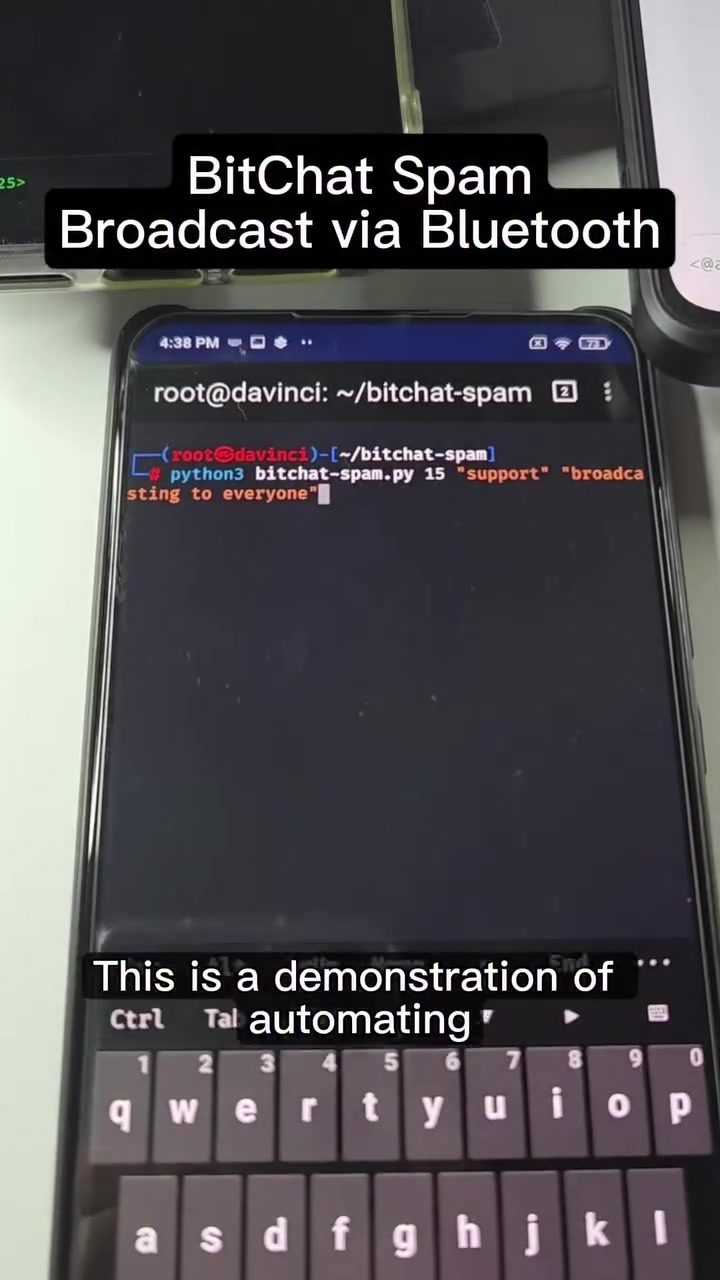
The demonstration showcases a Python script named 'bitchat-spam.py' running on a device with root access. This script broadcasts custom messages to all devices within Bluetooth range, effectively spamming them with unwanted content. The script can be executed on both smartphones and computers, making it a versatile tool for threat actors.
How It Works
The script leverages the Bluetooth capabilities of the device to send messages to nearby BitChat clients. This automated process can overwhelm users with a flood of spam, making it difficult for them to discern legitimate messages from harmful ones. The custom messages can include any text or links chosen by the attacker, increasing the potential for malicious activities.
Protecting Against Spam
The good news is that this vulnerability has been addressed and patched in the latest version of BitChat. Users are now protected against automated spam floods, ensuring a safer and more secure messaging experience. However, it is essential to stay vigilant and follow best practices to maintain this security.
Practical Tips
- Stay Updated: Keeping your apps updated is crucial for protecting against known vulnerabilities. Regular updates ensure that you have the latest security patches.
- Avoid Suspicious Links: Be cautious of any suspicious links in messages, even if they appear to come from known contacts. Avoid clicking on them unless you are sure of their authenticity.
- Block Unknown Senders: Block unknown senders immediately to prevent unwanted messages from reaching your device. This can help reduce the risk of spam and potential scams.
- Report Spam: If you encounter spam broadcasts, report them to the app support. This helps the developers identify and address potential issues promptly.
The Script and Root Access
The script 'bitchat-spam.py' is a Python-based tool that, when run on a device with root access, allows for the automation of spam messages. Root access provides the necessary permissions to execute such scripts, making it a powerful tool in the hands of a threat actor. The demonstration highlights the importance of securing devices and limiting root access to trusted individuals only.
Important Takeaways
BitChat's ability to facilitate peer-to-peer messaging without an internet connection is a powerful feature, especially in areas with weak connectivity. However, it is crucial to be aware of potential security vulnerabilities and how they can be exploited. The recent patch addressing automated spam broadcasts is a significant step in enhancing the security of the app. Staying vigilant and following best practices can help users protect themselves from similar threats in the future.
Conclusion
BitChat offers a unique solution for offline communication, leveraging Bluetooth technology to provide a reliable and private messaging experience. Understanding the past security vulnerabilities and how they have been addressed can help users stay safe and informed. By keeping apps updated, avoiding suspicious links, blocking unknown senders, and reporting spam, users can ensure a secure and enjoyable messaging experience.
Questions readers ask
What is the BitChat Bluetooth spam exploit and how did it affect users?
The BitChat Bluetooth spam exploit involved the use of a script to automatically send unwanted, potentially harmful messages to nearby users. This could flood users' devices with spam, disrupting their experience and potentially exposing them to malicious content.
How did the BitChat team fix the Bluetooth spam issue?
The BitChat team implemented robust spam protection measures. These updates included stricter message filtering and enhanced detection of automated spam scripts. This significantly reduced the ability of attackers to send spam messages to nearby users.
Can I still use BitChat for offline messaging without worrying about spam?
With the implemented fixes, users can resume using BitChat for offline messaging with increased confidence. The app now includes advanced spam protection, making it much more difficult for attackers to exploit the Bluetooth messaging feature. However, always remain vigilant and report any suspicious activity.
What steps can I take to protect my BitChat app from spam messages?
To protect your BitChat app from spam messages, keep the app updated to the latest version. The developers regularly release updates that include security improvements and spam protection measures. Additionally, be cautious about accepting connections from unknown users.
How does BitChat's peer-to-peer messaging work, and why is it vulnerable to spam?
BitChat's peer-to-peer messaging uses Bluetooth to enable direct communication between users without relying on internet or cellular networks. This direct communication makes it an attractive target for spam attacks, as attackers can exploit the Bluetooth protocol to send mass messages to nearby devices.
What is a Bluetooth spam flood, and how does it impact BitChat users?
A Bluetooth spam flood occurs when an attacker sends a large number of unwanted messages to nearby BitChat users. This can overwhelm users' devices, disrupting communication and potentially leading to a poor user experience. The spam flood is a specific type of Bluetooth spam exploitation, which has been effectively mitigated in the latest updates.
Is the BitChat app secure for offline communication now?
The latest updates have improved the security of the BitChat app, making it more secure for offline communication. The app now includes enhanced spam protection and message filtering, which helps to prevent spam messages from being sent to nearby users. However, it is always important to maintain good security practices, such as keeping the app updated and being cautious about unknown connections.
Related deep dives
Similar reads based on topic and creator.




Recent articles
Fresh deep dives from the latest Reels we unpacked.




Comments
Be the first to comment.