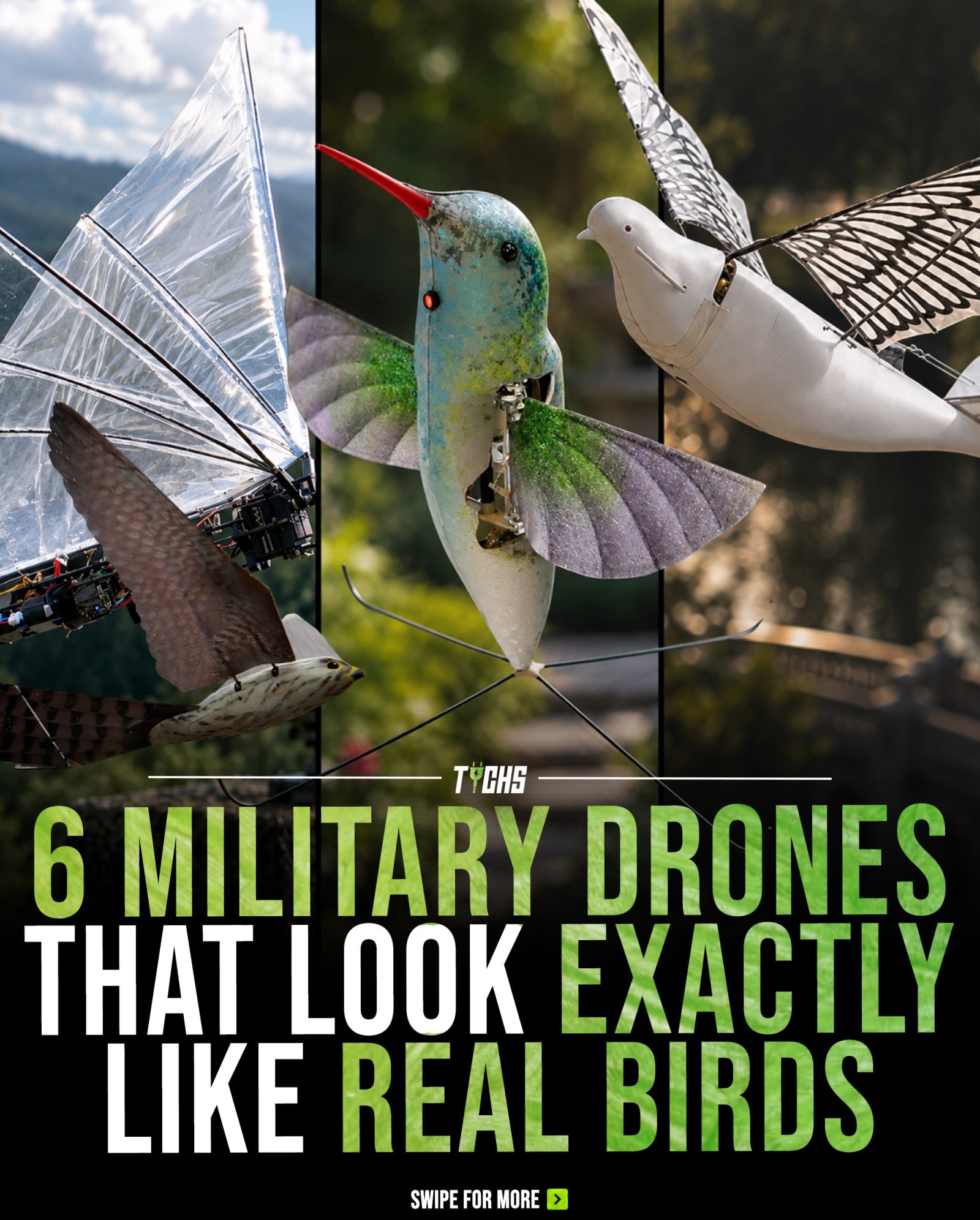
Military Drones That Look Like Birds
Bionimicry is propelling advanced drone design, and bird-inspired drones are a testiment to this remarkable progress in technology. These drones, engineered to resemble and mimic real birds, offer enhanced surveillance capabilities while remaining discreet. The integration of biomimicry in drone engineering has led to the development of aircraft that can seamlessly blend into natural environments, making them ideal for a variety of missions, including surveillance, research, and reconnaissance.
Context / Why this matters
Biomimicry, the practice of learning from and mimicking the natural world, is a rapidly growing field. It is revolutionizing various industries by offering innovative solutions to complex problems. In the realm of military technology, biomimicry has paved the way for the development of drones that can mimic the flight patterns and appearances of birds, making them less detectable and more effective in surveillance missions.
The development of bird-like drones by engineers has numerous practical applications. Their ability to blend into natural environments makes them particularly useful for military operations, environmental research, and even wildlife monitoring. The integration of biomimicry in drone technology allows these devices to operate in various landscapes, from dense urban areas to remote coastal regions, without drawing unwanted attention.
Main discussion
Bird-like drones come in various designs, each crafted to resemble a specific species. Here are some of the most notable examples, showcasing the diversity and ingenuity of biomimicry in engineering.
Bird-like Drones and Their Applications
Nano Hummingbird
The Nano Hummingbird drone is equipped with a miniature reconnaissance camera, allowing it to capture high-resolution images and videos. By mimicking the flight patterns and size of a hummingbird, this drone can hover and navigate through tight spaces, making it ideal for indoor surveillance and detailed reconnaissance.
Robo Raven
The Robo Raven is an ornithopter inspired by ravens. Unlike typical drones, Robo Raven has independently controlled flapping wings, enabling it to perform intricate aerial maneuvers. Its design allows it to mimic the gliding and soaring behavior of ravens, making it an excellent choice for discreet aerial surveillance in both urban and natural environments.
Dove and Sparrow-Inspired Ornithopters
These ornithopters mimic the appearance and flight patterns of doves and sparrows, allowing them to blend seamlessly into natural surroundings. These drones are particularly useful for environmental research, wildlife monitoring, and other missions where the presence of a drone needs to go unnoticed.
Pigeon-Style Surveillance Drones
Designed for urban environments, pigeon-style drones mimic the appearance and behavior of pigeons. They are equipped with cameras and sensors, making them highly effective for surveillance in crowded cities. Their ability to blend in with the local bird population makes them nearly undetectable, allowing for discreet monitoring.
Seagull-Style Coastal Drones
Seagull-like drones are built to monitor coastal and maritime areas. These drones can withstand harsh coastal conditions and are equipped with advanced sensors, enabling them to survey large areas of shorelines and water bodies. They are particularly useful for monitoring maritime traffic, detecting environmental changes, and enhancing coastal security.
The Engineering Behind Biomimetic Drones
Biomimetic drones are a testament to the versatility of biomimicry in engineering. These drones leverage the natural flight mechanisms of birds, incorporating lightweight materials, efficient energy consumption, and advanced sensors. By mimicking the agility and flight patterns of birds, these drones have become increasingly sophisticated and capable.
The design of these drones involves meticulous engineering, often requiring the development of specialized materials and technologies. For instance, the wings of bird-like drones are crafted using lightweight, durable composites that mimic the structure of bird feathers. The integration of advanced sensors and cameras allows these drones to capture high-resolution images and videos, even in challenging conditions.
Practical Tips
Bird-like drones represent a significant advancement in drone technology, offering numerous practical advantages. Here are some tips for effectively utilizing and understanding these drones:
Choosing the Right Drone
Select the right drone based on the mission requirements. For instance, the Nano Hummingbird is ideal for indoor surveillance, while the Robo Raven is better suited for outdoor, long-range missions. Understanding the specific characteristics and capabilities of each drone model will help in making an informed decision.
Maintenance and Upkeep
Regular maintenance is crucial for ensuring the longevity and effectiveness of biomimetic drones. This includes cleaning and inspecting the drone's components, updating software, and storing it properly. Regular maintenance will help in identifying any potential issues early, ensuring the drone remains operational and reliable.
Safety and Regulations
Operating bird-like drones requires adherence to safety protocols and regulations. This includes obtaining the necessary permits, following flight paths, and ensuring the drone is equipped with safety features. Additionally, understanding the local regulations and environmental impact of drone operations is crucial for responsible and ethical use.
Important Takeaways
Bird-like drones are revolutionizing the field of drone technology, offering new possibilities for surveillance, research, and environmental monitoring. The integration of biomimicry in drone engineering has led to the development of aircraft that can seamlessly blend into natural environments, making them ideal for a variety of missions.
Biomimetic drones are highly effective in surveillance and research missions, thanks to their ability to mimic the appearance and flight patterns of birds. These drones offer numerous advantages, including enhanced agility, discreet operation, and the ability to navigate through challenging environments.
The development of bird-inspired drones showcases the potential of biomimicry in engineering, offering innovative solutions to complex problems. By leveraging the natural world as a source of inspiration, engineers have created drones that are not only functional but also environmentally friendly and efficient.
Conclusion
Biomimicry is playing a pivotal role in shaping modern drone technology, with bird-inspired drones leading the way. These drones, engineered to resemble and mimic real birds, offer enhanced surveillance capabilities while remaining discreet. As biomimetic technology continues to evolve, these aircraft are becoming increasingly realistic, agile, and capable of operating in environments where conventional drones are more easily detected.
Questions readers ask
What are bird-inspired military drones and how do they function?
Bird-inspired military drones are unmanned aerial vehicles designed to resemble and fly like real birds. They function by mimicking the flight patterns and behaviors of birds, enabling them to conduct discreet surveillance missions by blending in with natural and urban environments. This design helps them to avoid detection and gather information effectively.
What advantages do bird-inspired drones offer over traditional military drones?
Bird-inspired drones provide several advantages, including enhanced stealth due to their realistic appearance, better maneuverability in varied environments, and the ability to perform more covert operations. They can access areas that might be restricted or dangerous for traditional drones, making them ideal for a wide range of missions.
How does biomimicry contribute to the effectiveness of military drones?
Biomimicry contributes to the effectiveness of military drones by allowing them to mimic the natural abilities of birds, such as flight agility and camouflage. This approach leads to more efficient and adaptable drone designs, capable of performing complex tasks in diverse settings, from dense forests to urban landscapes.
Are there any specific bird species that military drones commonly mimic?
Military drones often mimic species known for their agility and stealth, such as hummingbirds and ravens. Hummingbird drones, for example, are prized for their ability to hover and navigate through tight spaces, while raven drones offer a more robust and versatile design for various missions.
What kind of missions are bird-inspired drones typically used for?
Bird-inspired drones are typically used for surveillance, reconnaissance, and research missions. Their ability to blend into the environment makes them perfect for gathering intelligence, monitoring areas of interest, and conducting covert operations without alerting potential targets.
How does the integration of biomimicry affect the design of military drones?
The integration of biomimicry in military drone design focuses on replicating the natural flight mechanisms and behaviors of birds. This involves designing drones with lightweight, flexible materials and advanced control systems that mimic bird movements, enabling more realistic and efficient flight patterns.
What are some of the future advancements expected in bird-inspired military drone technology?
Future advancements in bird-inspired military drone technology are likely to include even more realistic biomimicry, improved autonomy, and enhanced sensory capabilities. These developments will allow drones to perform more complex tasks with greater independence, further enhancing their utility in military operations.
Related deep dives
Similar reads based on topic and creator.




Recent articles
Fresh deep dives from the latest Reels we unpacked.




Comments
Be the first to comment.