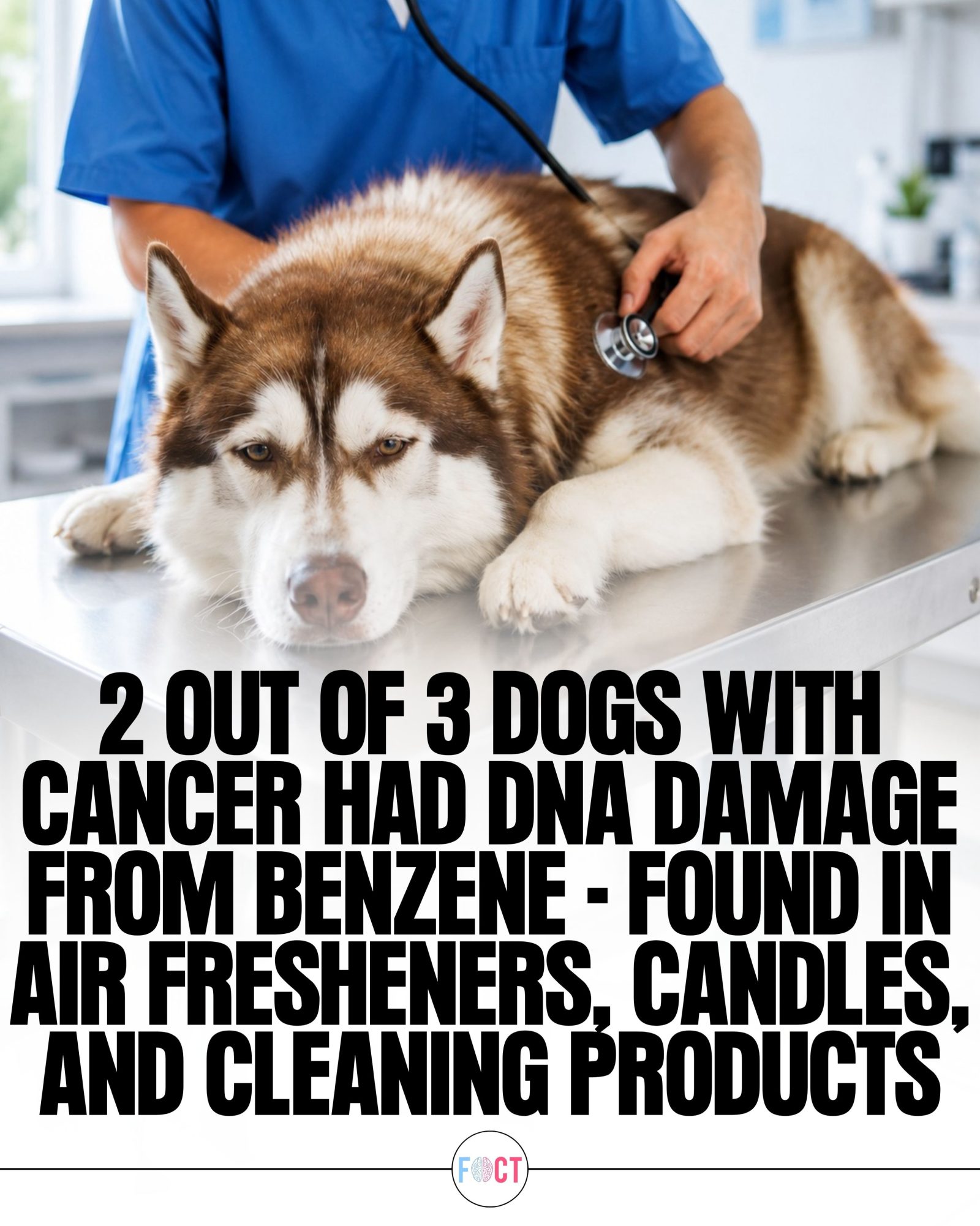
Dog Health Concerns: Benzene Exposure and Canine Cancer
Dog health concerns are always a top priority for pet owners. Recent research has shed light on a potential link between benzene exposure and cancer in dogs. Benzene is a chemical found in many common household products, and it poses a significant health risk to our canine companions.
Why this Matters
Understanding the potential health risks that benzene poses to dogs is crucial. Benzene is a known human carcinogen, and recent studies suggest that it may also play a role in the development of cancer in dogs. By being aware of the sources of benzene and taking steps to minimize exposure, pet owners can help ensure the health and well-being of their furry friends.
Benzene: A Silent Killer in Household Products
What is Benzene and Where is it Found?
Benzene is a colorless or light yellow liquid with a sweet odor. It is a component of gasoline and is used in the manufacture of plastics, resins, synthetic fibers, rubber, dyes, detergents, drugs, and pesticides. It is also found in some household products such as air fresheners, candles, and cleaning supplies. Benzene can be released into the air from these products, and dogs, who spend more time close to the ground, are at a higher risk of exposure.
How Benzene Affects Dogs
A peer-reviewed study published in Frontiers in Veterinary Science found that about two out of three dogs with multicentric lymphoma had estimated benzene exposure levels high enough to potentially cause genotoxic DNA damage. The research also showed that benzene can directly damage canine lymphoid cells, causing DNA strand breaks and oxidative stress. These changes are associated with the development of cancer.
Dogs may be especially vulnerable to the effects of benzene because they breathe more rapidly than humans and frequently lick their paws, increasing exposure to environmental contaminants. Once absorbed, benzene is processed by the liver before reaching the bone marrow, where it is already recognized as a human carcinogen.
Common Household Sources of Benzene
Benzene can be present in various household products, including:
- Air fresheners
- Candles
- Cleaning supplies
- Paint and paint thinners
- Paints and solvents
When these products are used, the benzene can be released into the air and inhaled by our pets. Dogs, with their keen sense of smell and lower height, are at an increased risk of exposure.
The Link Between Benzene and Canine Cancer
While the study does not prove that benzene causes lymphoma in dogs, it suggests that long-term exposure may be an important risk factor. The research highlights the need for further investigation into the potential link between benzene and canine cancer.
Practical Tips for Reducing Benzene Exposure in Dogs
Choose Safer Products
Opt for pet-safe cleaning supplies and air fresheners that do not contain benzene. Look for products that are labeled as "non-toxic" or "pet-safe."
Improve Air Quality
Ensure your home has good ventilation to reduce the accumulation of benzene vapors. Use air purifiers to help remove harmful chemicals from the air.
Limit Exposure
Avoid using products that contain benzene around your dog. If you must use them, ensure your dog is in a well-ventilated area or outside.
Regular Vet Check-ups
Regular veterinary check-ups can help detect any potential health issues early. Discuss any concerns about benzene exposure with your vet.
Monitor Symptoms
Be aware of the signs of benzene exposure and cancer in dogs. Symptoms may include lethargy, loss of appetite, weight loss, and swelling of the lymph nodes.
Important Takeaways
- Benzene, a chemical found in many common household products, poses a significant health risk to dogs.
- Recent research suggests a potential link between benzene exposure and the development of cancer in dogs.
- Dogs may be especially vulnerable to benzene because they spend more time close to the ground, breathe more rapidly than humans, and frequently lick their paws.
- To minimize the risk, choose pet-safe products, improve air quality, limit exposure, and maintain regular vet check-ups.
- Be aware of the symptoms of benzene exposure and cancer in dogs.
Conclusion
The potential health risks that benzene poses to dogs are a significant concern. By being aware of the sources of benzene and taking steps to minimize exposure, pet owners can help ensure the health and well-being of their furry friends. Choosing safer products, improving air quality, and regular vet check-ups are all practical steps that can make a big difference.
Always remember that the health of our pets is in our hands. By taking proactive measures, we can protect them from the harmful effects of benzene and ensure they live long, healthy lives.
Questions readers ask
What are the most common household products that contain benzene?
Benzene can be found in various household products, including some cleaning supplies, paints, glues, and certain pesticides. It can also be present in some pet products, like grooming supplies or certain types of dog toys or bedding, if they are manufactured with materials that contain benzene. Gasoline and cigarette smoke can contain benzene and are found in parts of homes not originally aimed at dogs. It is essential to be aware of these sources to minimize your dog's exposure to this chemical.
How does benzene exposure affect the health of dogs?
Exposure to benzene can have severe health implications for dogs. Long-term exposure can lead to the development of cancer, including lymphoma, a type of cancer that affects the lymphatic system. Benzene can damage a dog's DNA, leading to mutations that may result in cancer and other health issues. There's no definitive cure for benzene damage, so prevention is key.
What are the symptoms of benzene poisoning in dogs?
Symptoms of benzene poisoning in dogs can be subtle and may include lethargy, loss of appetite, and unexplained weight loss. In more severe cases, dogs may experience breathing difficulties, seizures, or even coma. If you suspect your dog has been exposed to benzene, it is crucial to consult with a veterinarian immediately for proper evaluation and treatment.
Can regular grooming activities expose my dog to benzene?
Regular grooming activities can expose your dog to benzene if the grooming products used contain this chemical. Some shampoos, conditioners, and grooming sprays may contain benzene as a solvent or preservative. Always check the ingredient list and opt for products that do not contain benzene or other harmful chemicals to reduce the risk of exposure.
How can I improve my home's air quality to protect my dog from benzene exposure?
To improve your home's air quality and protect your dog from benzene exposure, ensure proper ventilation in areas where benzene-containing products are used. Use exhaust fans and open windows when using cleaning products or paints. Additionally, consider using air purifiers with activated carbon filters, which can help trap and remove benzene from the air.
Are certain dog breeds more susceptible to the effects of benzene?
There is no conclusive evidence that specific dog breeds are more susceptible to benzene than others. However, dogs with compromised immune systems or pre-existing health conditions may be more vulnerable to the harmful effects of benzene exposure. All dogs, regardless of breed, can be affected by benzene, so it is essential to take precautions to minimize exposure for all canine companions.
What steps can I take to minimize my dog's exposure to benzene?
To minimize your dog's exposure to benzene, first identify and avoid products that contain this chemical. Opt for pet supplies and grooming products that are benzene-free and look for natural or organic alternatives. Always store household chemicals securely to prevent accidental ingestion or inhalation. Additionally, regularly clean your home to reduce the buildup of benzene and other harmful chemicals, and ensure your dog spends time in well-ventilated areas.
Related deep dives
Similar reads based on topic and creator.



Recent articles
Fresh deep dives from the latest Reels we unpacked.




Comments
Be the first to comment.