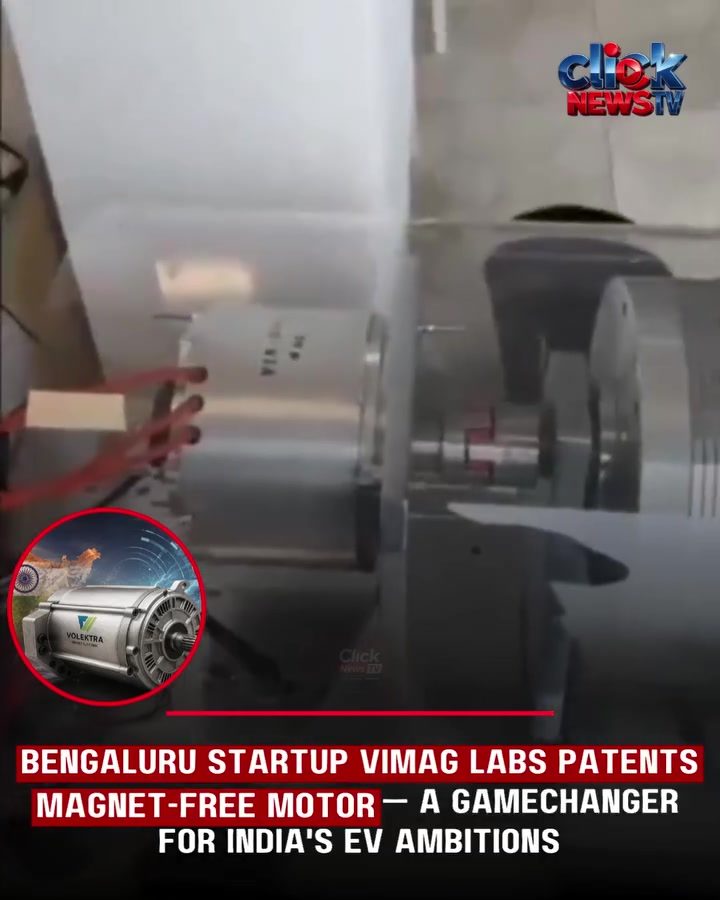
Magnet-Free Electric Motors: A Game-Changer for India's EV Ambitions
Vimag Labs, a Bengaluru-based startup, is making waves in the electric vehicle (EV) industry with its groundbreaking innovation: a magnet-free electric motor. This small, $5 million company has secured its fifth patent for an electric motor that does not rely on rare-earth magnets. Instead, it uses a combination of software and power electronics to generate its magnetic field in real time. This development is not just an engineering triumph; it's a significant blow to China's dominance in the global rare-earth magnet supply chain, where it controls 94% of the world's sintered permanent magnets—exactly the ones used in EV motors.
Context: The Importance of Magnet-Free Motors
The global push towards electric vehicles is accelerating, driven by the need to reduce carbon emissions and dependence on fossil fuels. However, the production of conventional electric motors relies heavily on rare-earth magnets, which are primarily sourced from China. This dependency has led to concerns about supply chain stability and potential geopolitical tensions.
The Rare-Earth Magnet Challenge
Rare-earth magnets are essential for the performance and efficiency of electric motors. These magnets are composed of elements like neodymium and dysprosium, which are predominantly mined in China. The country has repeatedly used its control over these resources to exert influence, imposing export controls and restrictions that have disrupted global supply chains. For example, China’s export limits in 2010 caused a significant spike in the prices of these materials, affecting industries worldwide.
VOLEKTRA: The Brand Behind the Innovation
The VOLEKTRA brand, associated with Vimag Labs, is at the forefront of this technological breakthrough. By eliminating the need for rare-earth magnets, VOLEKTRA motors not only address supply chain vulnerabilities but also offer potential cost savings and reduced environmental impact. This innovation is particularly relevant for India, which is actively pursuing its EV ambitions as part of the larger "Atmanirbhar Bharat" initiative.
Main Discussion
The Technology Behind Magnet-Free Motors
The key to VOLEKTRA's magnet-free motor lies in its sophisticated use of software and power electronics. Traditional electric motors rely on permanent magnets to generate the magnetic field necessary for motor operation. In contrast, VOLEKTRA's motors generate this field through real-time electronic controls, essentially creating a magnetic field on demand.
How It Works
-
Software Control: The motor's control system uses advanced algorithms to manage the magnetic field dynamically. This allows for precise control over the motor's performance, efficiency, and durability.
-
Power Electronics: Highly efficient power electronics convert electrical power into the required magnetic field, ensuring that the motor operates smoothly and efficiently.
Advantages of Magnet-Free Motors
-
Reduced Dependency on Rare-Earth Magnets: By eliminating the need for rare-earth magnets, VOLEKTRA's motors reduce dependency on China's supply chain, making them more resilient to geopolitical influences.
-
Cost-Effective Production: The production process for magnet-free motors can be more cost-effective, particularly in the long run. This is due to the reduced reliance on expensive rare-earth minerals and the streamlined manufacturing process.
-
Environmental Impact: The extraction and processing of rare-earth minerals are environmentally damaging. Magnet-free motors offer a more sustainable alternative, reducing the ecological footprint of EV production.
Practical Tips for Implementing Magnet-Free Motors
For manufacturers and consumers interested in leveraging this technology, here are some practical considerations:
-
Investment in Research and Development (R&D): Companies need to invest in R&D to stay ahead in this rapidly evolving field. Collaboration with innovative startups like Vimag Labs can provide access to cutting-edge technology.
-
Adoption of New Standards: As the technology matures, industry standards and regulations will need to be updated to accommodate magnet-free motors. Early adopters should prepare for these changes.
-
Training and Expertise: Implementing new technology requires a skilled workforce. Training programs and collaborations with educational institutions can help build a workforce capable of working with advanced motor technologies.
-
Supply Chain Adaptation: Companies need to adapt their supply chains to integrate new components and technologies. This might involve partnerships with technology providers and reassessing existing supply chain relationships.
Important Takeaways
The development of magnet-free electric motors by Vimag Labs is a significant step forward in the EV industry. This innovation not only addresses supply chain vulnerabilities but also opens up new possibilities for sustainable and cost-effective motor technology. As India and other countries push towards electric mobility, VOLEKTRA's magnet-free motors could play a pivotal role in achieving these ambitions.
Sustainability and Innovation
Sustainability is a core driver of innovation in the EV sector. By reducing reliance on rare-earth magnets, magnet-free motors contribute to a more sustainable future. This is particularly important for countries like India, which are investing heavily in electric mobility to reduce carbon emissions and promote economic growth.
Economic and Geopolitical Implications
The shift towards magnet-free motors has significant economic and geopolitical implications. It reduces dependency on China's supply chain, offering a more stable and secure alternative. This is crucial for countries looking to achieve energy independence and reduce their exposure to geopolitical risks.
Future Prospects
The future of electric mobility is closely tied to technological advancements. As magnet-free motors continue to evolve, their applications will expand, potentially revolutionizing not just electric vehicles, but also other industries that rely on high-performance motors. Companies and governments must stay abreast of these developments to leverage the full potential of this innovative technology.
Conclusion
The invention of magnet-free motors by Vimag Labs represents a major breakthrough in the EV industry. By leveraging software and power electronics, VOLEKTRA's motors address critical challenges related to supply chain stability, cost, and environmental sustainability. As more companies and countries adopt this technology, it has the potential to revolutionize the future of electric mobility, making it more accessible, efficient, and sustainable.
Questions readers ask
What makes Vimag Labs' VOLEKTRA motor unique in the EV industry?
Vimag Labs' VOLEKTRA motor stands out because it is a magnet-free electric motor. Unlike conventional EV motors that rely on rare-earth magnets, VOLEKTRA uses software and power electronics to generate its magnetic field, making it a truly innovative and sustainable alternative.
How does the magnet-free motor benefit the EV industry in India?
The magnet-free motor benefits the EV industry in India by reducing dependence on rare-earth materials, which are primarily sourced from China. This not only helps in achieving energy independence but also cuts costs and mitigates supply chain risks.
What is the significance of Vimag Labs' development in the context of China's dominance in rare-earth magnets?
Vimag Labs' magnet-free motor is a significant development as it challenges China's dominant position in the global rare-earth magnet supply chain. By eliminating the need for these materials, Vimag Labs is helping India reduce its reliance on Chinese imports, thereby fostering local innovation and sustainability.
How does the VOLEKTRA motor contribute to sustainable EV technology?
The VOLEKTRA motor contributes to sustainable EV technology by eliminating the reliance on rare-earth magnets, which are energy-intensive and environmentally damaging to extract. Moreover, its use of advanced software and power electronics enhances efficiency, reduces waste, and promotes a greener future.
What are the advantages of using a magnet-free electric motor in electric vehicles?
Magnet-free electric motors, such as VOLEKTRA, offer several advantages, including cost savings, reduced environmental impact, and decreased dependency on rare-earth materials. These motors also benefit from improved control and customization by using software and power electronics.
What challenges might the magnet-free motor face in the EV market?
Despite its advantages, the magnet-free motor may face challenges such as initial market acceptance, competition from established magnet-based motors, and the need for further technological development to maximize efficiency and performance. However, Vimag Labs' success in securing multiple patents indicates a strong foundation.
Related deep dives
Similar reads based on topic and creator.




Recent articles
Fresh deep dives from the latest Reels we unpacked.




Comments
Be the first to comment.