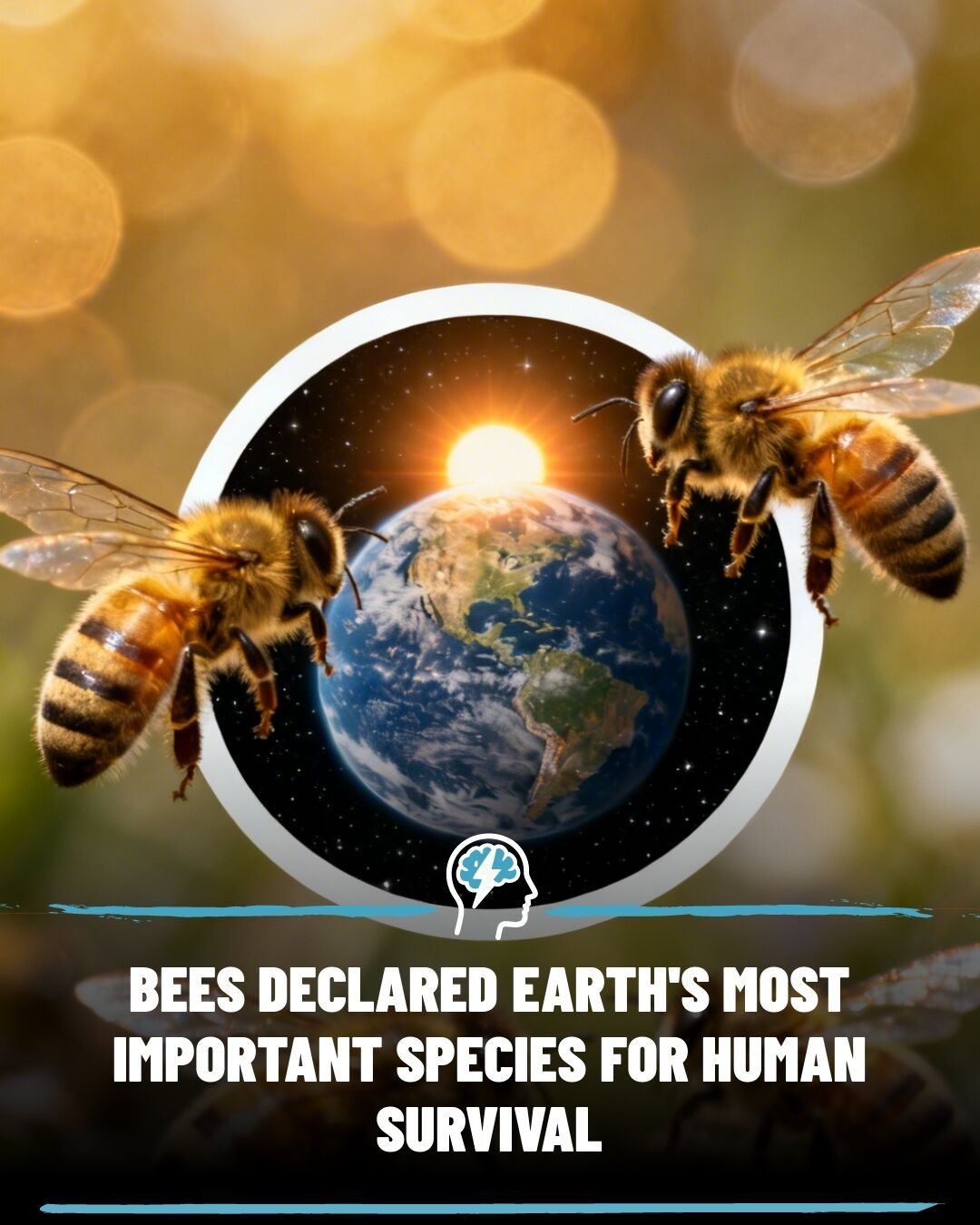
The Vital Role of Bees in Our Ecosystem
Bees are often celebrated for their ability to produce honey, but their true importance lies far beyond this sweet treat. These small insects play an indispensable role in maintaining the health of our planet. In 2008, the Earthwatch Institute declared bees as the most crucial species for human survival. This wasn't an overstatement, and understanding why bees are so essential can help us appreciate the urgency of their declining populations.
Why This Matters
Bees are pivotal for the survival of a vast array of plants and crops. Approximately 35% of the world's food crops and around 75% of flowering plants depend on bee pollination. This process is fundamental to the reproduction of many plants, ensuring the continuation of their species. Without bees, many of the fruits, vegetables, and nuts that we rely on daily would simply not exist. Foods such as coffee, almonds, apples, and blueberries are just a few examples of the crops that depend on bee pollination.
The economic value of bee pollination is staggering. Studies estimate that the global economic value of this service exceeds $800 billion annually. This figure underscores the critical role that bees play in our food systems and economies.
The Decline of Bee Populations
Despite their importance, bee populations are declining at alarming rates. Several factors contribute to this decline, including pesticide exposure, habitat loss, climate change, and disease. These stressors can weaken bee colonies and disrupt their ability to pollinate effectively. The loss of bees doesn't just affect honey production; it has far-reaching consequences for our ecosystems and food security.
Pesticide Exposure
Pesticides are designed to kill pests, but they often harm bees as well. Exposure to these chemicals can impair bees' ability to navigate, reproduce, and even survive. Many pesticides are systemic, meaning they are absorbed by the plant and can be present in the pollen and nectar that bees collect. This continuous exposure can have devastating effects on bee colonies.
Habitat Loss
Urbanization and agricultural practices have led to significant habitat loss for bees. As natural habitats are replaced by concrete and farmland, bees lose their sources of food and shelter. This loss of habitat can lead to reduced bee populations and, consequently, decreased pollination services.
Climate Change
Climate change affects bees in multiple ways. Alterations in temperature and precipitation patterns can disrupt the timing of plant flowering and nearing fly, leading to a mismatch between when bees are active and when their food sources are available. Changes in weather patterns can also affect the availability of nesting sites and the survival rates of bee larvae.
Disease
Bees are susceptible to a variety of diseases and parasites, such as the Varroa mite and fungal infections. These pathogens can weaken bee colonies, making them more susceptible to other stressors. The spread of diseases can be exacerbated by the movement of infected bees and the use of antibiotics in beekeeping practices.
The Ripple Effects of Bee Decline
The loss of bees has far-reaching consequences that extend beyond the immediate effects on food crops. The plants that bees pollinate also support other wildlife, creating chain reactions throughout entire ecosystems. Significant bee loss could trigger ecosystem collapse, biodiversity decline, and severe food security challenges.
Ecosystem Health
Ecosystems are deeply interconnected, and the decline of bees can have cascading effects. For example, the loss of bees can lead to reduced plant diversity, which in turn affects the animals that rely on those plants for food and habitat. This can disrupt food webs and lead to declines in other species.
Biodiversity
Bees are essential for maintaining biodiversity. They pollinate a wide range of plants, including many that support other insects, birds, and mammals. The loss of bees can lead to a decline in plant diversity, which in turn affects the animals that rely on those plants for food and habitat. This can disrupt food webs and lead to declines in other species.
Food Security
The loss of bees also has implications for food security. Many of the crops that we rely on for food are dependent on bee pollination. A decline in bee populations could lead to reduced crop yields and increased food prices, making it more difficult for people to access nutritious food.
Economic Impact
The economic value of bee pollination is enormous. A decline in bee populations could lead to significant economic losses for farmers and agricultural industries. This could have ripple effects throughout the economy, affecting everything from food prices to employment.
Practical Tips for Supporting Bee Populations
There are several steps that individuals can take to support bee populations and contribute to their conservation. These actions, while small, can have a collective impact on bee health.
Planting Bee-Friendly Flowers
One of the easiest ways to support bees is by planting bee-friendly flowers in your garden or community. Flowers that are rich in nectar and pollen provide bees with the food they need to thrive. Native plants are particularly beneficial, as they are well-adapted to local conditions and support local bee species.
Reducing Pesticide Use
Reducing the use of pesticides in gardens and agricultural practices can help protect bees from harmful chemicals. Opting for organic pest control methods and choosing plants that are naturally resistant to pests can also support bee health.
Supporting Local Beekeepers
Supporting local beekeepers can help ensure that bee populations remain healthy. Buying local honey and other bee products supports beekeepers in their efforts to maintain healthy colonies. Additionally, beekeepers often play a crucial role in monitoring bee health and providing valuable data to researchers.
Creating Bee Habitats
Providing bees with suitable habitats can help support their populations. This can include creating nesting sites, such as bee hotels, and planting a variety of flowering plants that bloom at different times of the year. These habitats provide bees with the resources they need to survive and reproduce.
Important Takeaways
Bees are essential for the health of our planet and our food systems. Their role in pollination is crucial for the survival of many plants and crops, and their decline has far-reaching consequences for ecosystems and food security. Understanding the factors that contribute to bee decline and taking steps to support their populations is vital for protecting our planet's health.
Conclusion
Bees are more than just honey producers; they are essential for the survival of many plants and crops. The decline of bee populations poses significant threats to our ecosystems and food security. By understanding the factors that contribute to bee decline and taking steps to support their populations, we can help ensure that these vital pollinators continue to thrive. Whether it's planting bee-friendly flowers, reducing pesticide use, or supporting local beekeepers, every action counts in protecting these tiny but mighty creatures.
Questions readers ask
How do bees contribute to global food security?
Bees play a significant role in global food security by pollinating approximately 35% of the world's food crops. This process is crucial for the reproduction of many plants, ensuring the continuation of their species and maintaining food production.
What is the economic impact of bees?
The economic value of bees is substantial, estimated at over $800 billion annually. This value comes from their role in pollinating crops, which is essential for the production of many foods that contribute to the global economy.
What factors are causing a decline in bee populations?
Bees are facing declining populations due to several factors, including the use of pesticides, habitat destruction, and the effects of climate change. These issues can disrupt bee colonies and affect their ability to thrive and pollinate crops.
Why did the Earthwatch Institute declare bees as the most crucial species for human survival in 2008?
The Earthwatch Institute declared bees as the most crucial species for human survival in 2008 due to their vital role in pollinating many food crops and supporting biodiversity. This declaration highlighted the significance of bees in maintaining the health of our planet and its ecosystems.
How do bees help in maintaining biodiversity?
Bees contribute to biodiversity by pollinating around 75% of flowering plants. This process is fundamental to the reproduction of many plant species, ensuring the continuation of their populations and the health of various ecosystems.
What can individuals do to support bee populations?
Individuals can support bee populations by planting bee-friendly flora, avoiding pesticides, and providing habitats for bees. Additionally, advocating for policies that protect bee populations and their habitats can help combat the negative impacts of habitat destruction and climate change.
How does climate change affect bees?
Climate change affects bees by altering the availability of food sources and impacting their habitats. Changes in temperature and precipitation patterns can disrupt the synchronization between bees and the plants they pollinate, leading to food scarcity and threats to bee colonies.
Related deep dives
Similar reads based on topic and creator.




Recent articles
Fresh deep dives from the latest Reels we unpacked.




Comments
Be the first to comment.