Barefoot Grounding
Walking barefoot on the beach, whether to relax or as part of a wellness routine, has gained significant popularity. This practice, often referred to as "grounding" or "earthing," involves direct contact with the Earth's surface. Proponents claim that it can lead to various benefits, including reduced stress, better sleep, and less muscle soreness. Beach sand, particularly when wet, is highly conductive, making it an ideal surface for grounding.
Context / Why This Matters
Grounding isn’t just a trend; it’s a practice rooted in the belief that connecting with the Earth’s natural energy can have a positive impact on health. When beach sand is wet, it becomes an excellent conductor of the Earth’s natural electrical charge. This charge is thought to benefit the body, as it helps neutralize harmful free radicals and reduce inflammation, which can contribute to overall health and well-being.
Main Discussion
What is Barefoot Grounding?
Grounding, or earthing, is the act of making direct contact with the Earth's surface, typically by walking barefoot. The theory behind grounding is that the Earth’s surface contains a natural, subtle electric charge, and that by connecting directly with this charge, one can experience various health benefits.
The Science Behind Grounding
The concept of grounding is based on the idea that the Earth’s surface has a natural, subtle electric charge. Sand, especially when wet, is more conductive than grass, making it a superior surface for this practice. Studies have indicated that direct contact with the Earth's surface can help neutralize free radicals in the body, reduce inflammation, and improve overall health. However, the scientific evidence supporting these claims is limited, and more research is needed to fully understand the mechanisms and benefits of grounding.
Benefits of Grounding
Some people report significant benefits from grounding, including reduced stress, improved sleep, and less muscle soreness. These benefits may be attributed to the body's ability to absorb the Earth’s natural electrical charge, which can help balance the body's internal electrical environment. This balance is thought to contribute to reduced inflammation, better sleep, and a general sense of well-being.
Grounding on Sand vs. Grass
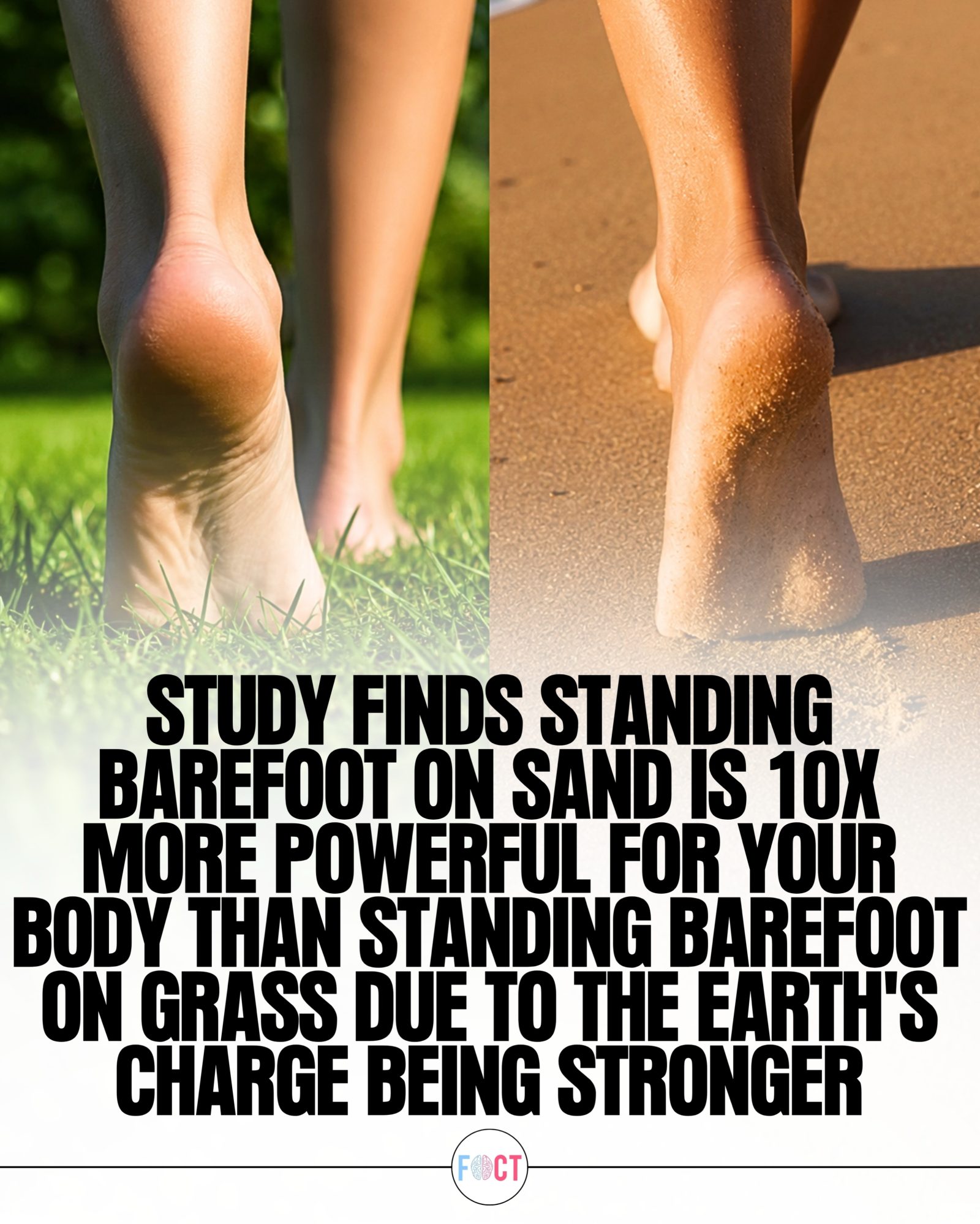
The claim that standing barefoot on sand is ten times more powerful for your body than standing barefoot on grass is intriguing. This claim is based on the idea that the Earth's charge is stronger in certain environments, such as on the beach. While scientific evidence is limited, the theory is that wet sand is more conductive and therefore allows for a stronger connection to the Earth’s natural energy. This could potentially enhance the benefits associated with grounding.
The Role of Wet Sand
Beach sand, especially when wet from ocean water, is highly conductive. This conductivity makes it easier to maintain contact with the Earth’s natural electrical charge, which is thought to be beneficial for the body. The wetness of the sand allows for better conductivity, enhancing the grounding effect and potentially increasing the benefits associated with walking barefoot on the beach.
Common Misconceptions and Considerations
While grounding is a popular wellness practice, it's important to approach it with a balanced perspective. Some people may experience significant benefits, while others might not notice any difference. The limited scientific evidence means that while grounding can be a pleasant and relaxing activity, it may not provide the same benefits for everyone. Additionally, it may be the act of spending time outdoors and enjoying nature that contributes to the reported benefits, rather than the grounding itself.
Practical Tips
Getting Started with Grounding
- Find a Suitable Location: Look for a spot with wet sand, such as a beach near the ocean. If a beach is not accessible, grassy areas can also work, but remember that the conductivity may not be as strong.
- Prepare Your Feet: Ensure your feet are clean and free from any injuries. If the sand or grass is particularly rough, consider wearing light, open-toed shoes for protection.
- Take Your Time: Spend at least 20-30 minutes walking barefoot or sitting on the sand/grass. The longer you stay in contact, the more time your body has to absorb the Earth's natural electrical charge.
- Practice Regularly: Consistency is key. Make grounding a regular part of your wellness routine, especially if you're looking to experience its long-term benefits.
- Listen to Your Body: Pay attention to how your body feels. If you experience any discomfort, take a break or adjust your practice accordingly.
Enhancing the Experience
While grounding itself is a simple practice, you can enhance the experience by combining it with other wellness activities:
- Mindfulness and Meditation: Use your grounding time to practice mindfulness or meditation. Focusing on your breath and the sensation of the sand or grass beneath your feet can deepen the relaxation benefits.
- Nature Walking: Incorporate grounding into a nature walk. Enjoy the natural surroundings and the physical activity to enhance the overall well-being benefits.
- Yoga or Stretching: Perform some gentle yoga poses or stretches while grounded. This can help you connect with both the Earth and your body, enhancing both physical and mental benefits.
Important Takeaways
- Conductivity Matters: Wet sand is highly conductive, making it an excellent surface for grounding. It allows for better absorption of the Earth’s natural electrical charge.
- Benefits May Vary: While some people report significant benefits, the scientific evidence is limited. Results can vary from person to person.
- Consistency is Key: To experience the long-term benefits of grounding, make it a regular part of your wellness routine.
Conclusion
Walking barefoot on the beach and practicing grounding can be a simple, enjoyable way to connect with nature and potentially improve your overall well-being. While the scientific evidence is limited, the reported benefits and the simple joy of being outdoors make it a worthwhile practice. Whether you’re looking to relax, unwind, or simply enjoy the beauty of nature, spending time barefoot on the beach can be a rewarding experience.
Questions readers ask
What makes wet beach sand better for grounding than grass?
Wet beach sand is more conductive than grass due to its higher moisture content and mineral composition. This increased conductivity allows for a more efficient transfer of the Earth's natural energy to the body, enhancing the grounding experience.
How does grounding on the beach differ from other grounding surfaces?
Grounding on the beach, especially in wet sand, provides a more powerful connection to the Earth's energy due to the sand's superior conductivity. This can lead to enhanced benefits such as reduced stress and improved sleep compared to other surfaces like grass or concrete.
What are the benefits of walking barefoot on wet beach sand?
Walking barefoot on wet beach sand can reduce stress, improve sleep, and decrease muscle soreness. The direct contact with the highly conductive surface allows for a stronger connection to the Earth's natural energy, promoting overall well-being.
Can standing barefoot on sand have the same effects as walking?
While standing barefoot on sand can still provide some grounding benefits, walking barefoot is generally more effective. The act of walking increases the surface area of contact and promotes better energy flow between the body and the Earth.
Why is the ocean's natural energy beneficial for grounding?
The ocean's natural energy is beneficial for grounding because it is rich in negative ions, which are known to reduce stress and promote a sense of calm. The combination of the ocean's energy and the conductive properties of wet sand creates an ideal environment for grounding.
Recent articles
Fresh deep dives from the latest Reels we unpacked.




Comments
Be the first to comment.