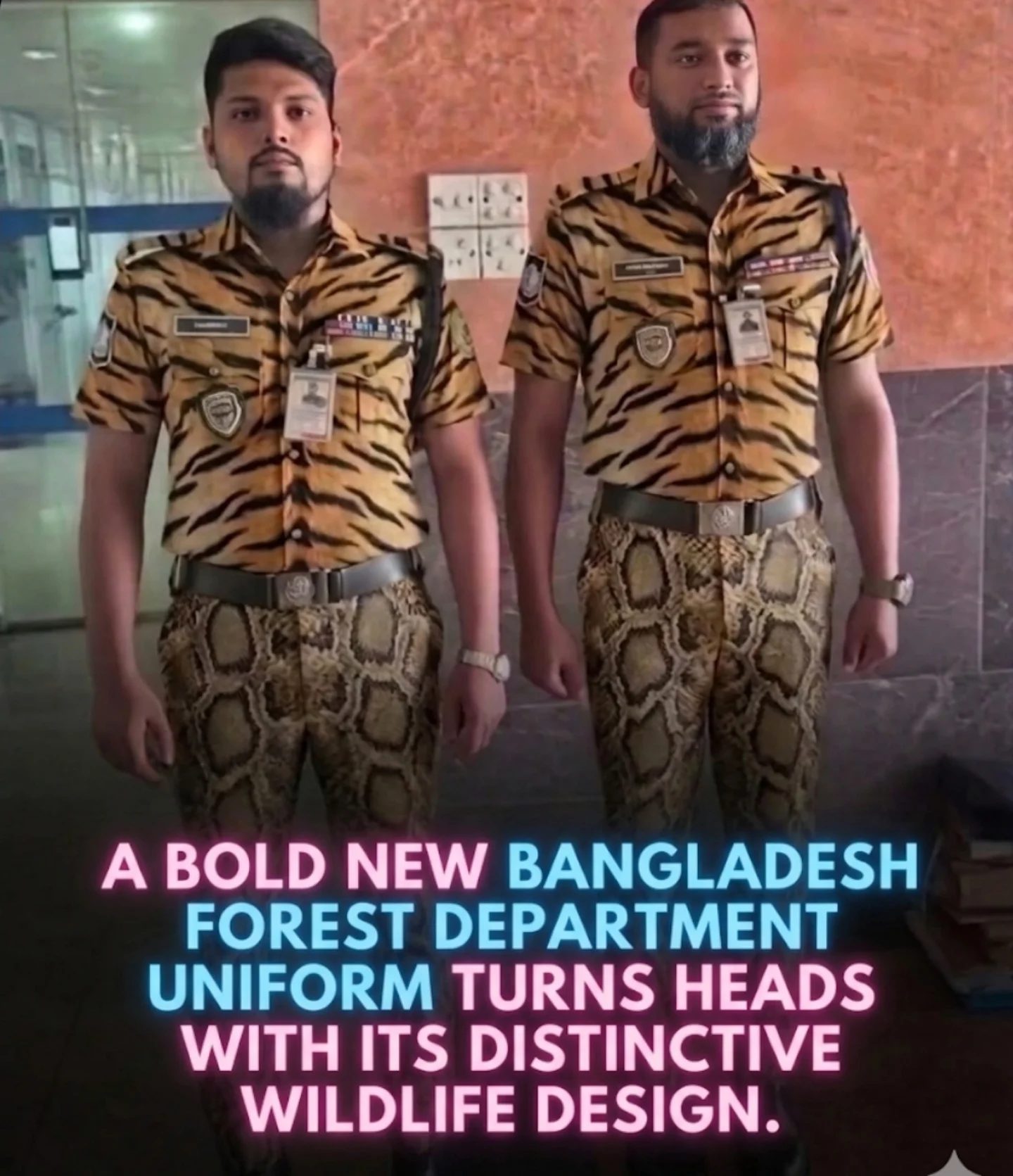
The New Bangladesh Forest Department Uniform: A Camouflage Marvel for the Sundarbans
The Bangladesh Forest Department has launched a new field uniform designed specifically for personnel operating within the Sundarbans mangrove ecosystem. This specialized gear features a unique dual-pattern camouflage system, blending tiger-stripe patterns on the upper body with snakeskin patterns on the lower body. The innovative design serves a dual purpose: optimizing visual concealment during patrols and establishing a strong visual presence to deter illegal activities.
Context / Why this matters
The Sundarbans, a vast mangrove forest spanning parts of Bangladesh and India, is home to a rich biodiversity, including the Bengal tiger and various reptile species. The forest serves as a critical habitat for these animals and plays a vital role in the region's ecological balance. Protecting this delicate ecosystem requires specialized equipment, and the new uniform is a significant step in enhancing the effectiveness of forest patrols.
The Unique Design: Tiger Stripes and Snake Patterns
The new uniform's design stands out for its distinctive wildlife patterns. The tiger-stripe pattern on the upper body and the snakeskin pattern on the lower body are not just visually striking; they also serve a crucial tactical function. The tiger-stripe pattern is effective in dense jungle terrain, where the dappled light and shadow can break up the uniform's appearance, making it harder to spot from a distance. This design choice is particularly important in the Sundarbans, where the understory is dense, and visibility is often poor.
On the other hand, the snakeskin pattern on the lower body provides a unique contrast that can be startling to illegal poachers. This pattern is intended to make the patrol officers more visible at closer ranges, reinforcing their authority and presence. The dual-purpose design ensures that the uniform is both effective in camouflage and intimidating in appearance, creating a unique tactical advantage for the patrol officers.
Enhancing Operational Concealment
The tiger-stripe pattern is particularly effective in the Sundarbans, where the dense foliage and understory provide ample opportunities for concealment. The tiger-stripe pattern mimics the natural patterns found in the forest, allowing the wearer to blend seamlessly into the background. This camouflage is essential for forest patrols, as it enables the officers to move more covertly through the terrain without alerting wildlife or potential poachers. This concealment allows for more effective surveillance and the ability to observe and document wildlife without disturbing their natural habits.
Deterring Illegal Poaching
The snakeskin pattern, while providing a strong visual presence, also serves a psychological purpose. The distinctive pattern is designed to be intimidating and eye-catching, making it harder for poachers to ignore the presence of the forest patrol. The bold design sends a clear message that the Sundarbans is under constant surveillance and that illegal activities will not be tolerated. This visual deterrent is a psychological tactic to reinforce the authority of the Forest Department and to discourage poaching activities.
Public Engagement and Feedback
The new uniform has generated significant public engagement and feedback. The Forest Department has welcomed these responses, using them to fine-tune the design and functionality of the uniform. The public's input has been crucial in ensuring that the uniform meets the needs of the patrol officers and the expectations of the public. This collaborative approach reflects the Forest Department's commitment to transparency and community involvement in its operations.
Practical Tips
Forest patrols in the Sundarbans require a combination of tactical expertise and specialized equipment. Here are some practical tips for anyone working in a similar environment:
-
Select the Right Camouflage: Choose camouflage patterns that mimic the natural surroundings. In dense jungles like the Sundarbans, tiger-stripe patterns are particularly effective.
-
Combine Patterns: Use a combination of different patterns to create a dual-purpose effect — one that provides concealment and another that creates a strong visual presence.
-
Prioritize Comfort: Ensure that the uniform is comfortable and durable, as patrols can be long and physically demanding.
-
Test the Design: Always test the design in various conditions to ensure it meets the needs of the environment and the specific tasks required.
-
Gather Feedback: Engage with stakeholders, including the public and fellow officers, to gather feedback and make necessary adjustments.
Important Takeaways
-
The new Bangladesh Forest Department uniform is designed with a unique dual-pattern camouflage system that combines tiger-stripe and snake patterns.
-
The tiger-stripe pattern enhances visual concealment in dense jungle terrain, while the snakeskin pattern creates a strong, intimidating visual presence to deter illegal activities.
-
The uniform is designed to optimize both concealment and visibility, making it a crucial tool for effective forest patrols in the Sundarbans.
-
Public engagement and feedback play a vital role in refining the design and functionality of the uniform.
Conclusion
The new Bangladesh Forest Department uniform is a remarkable example of how strategic design and public engagement can enhance the effectiveness of forest patrols. The bold and distinctive wildlife patterns serve a dual purpose, providing both concealment and a strong visual presence. This innovative design not only improves the operational capabilities of the patrol officers but also sends a clear message to potential poachers that the Sundarbans is under constant surveillance and protection.
Questions readers ask
Why does the new Bangladesh Forest Department uniform feature a dual-pattern camouflage design?
The dual-pattern camouflage design is intended to enhance both concealment and visibility. The tiger-stripe pattern on the upper body helps patrol personnel blend into the dense jungle, while the snakeskin pattern on the lower body creates a distinct, visible presence to deter illegal activities.
What is the significance of the tiger-stripe pattern in the new uniform?
The tiger-stripe pattern on the upper body of the uniform is specifically designed to mimic the natural surroundings of the Sundarbans. This helps the patrol personnel to remain hidden and blend in seamlessly with the dense jungle environment, making it easier to conceal their presence.
How does the snakeskin pattern on the lower body of the uniform serve its purpose?
The snakeskin pattern on the lower body of the uniform is meant to create a starkly different visual effect. This pattern can make patrol personnel more noticeable, which can be beneficial for deterring poachers and other illegal activities in the Sundarbans, especially when visibility is needed.
What are the primary goals of the new uniform design for the Bangladesh Forest Department?
The primary goals are to optimize concealment for patrols and to establish a strong visual presence to deter illegal activities. The dual-pattern camouflage design helps achieve both objectives, making the uniform highly effective for the unique challenges of the Sundarbans.
Who is the intended user for the new Bangladesh Forest Department uniform?
The new uniform is specifically designed for patrol personnel working in the Sundarbans, a vast mangrove forest known for its rich biodiversity and challenging environmental conditions. It is tailored to meet the specific needs of this specialized role.
How does the uniform's design help in maintaining the biodiversity of the Sundarbans?
By aiding in effective patrols and deterring illegal activities, the uniform helps protect the rich biodiversity of the Sundarbans. The unique design allows patrol personnel to move discreetly through the jungle and make a visible presence when needed, helping to safeguard the habitat of various species, including the Bengal tiger.
Related deep dives
Similar reads based on topic and creator.




Recent articles
Fresh deep dives from the latest Reels we unpacked.




Comments
Be the first to comment.