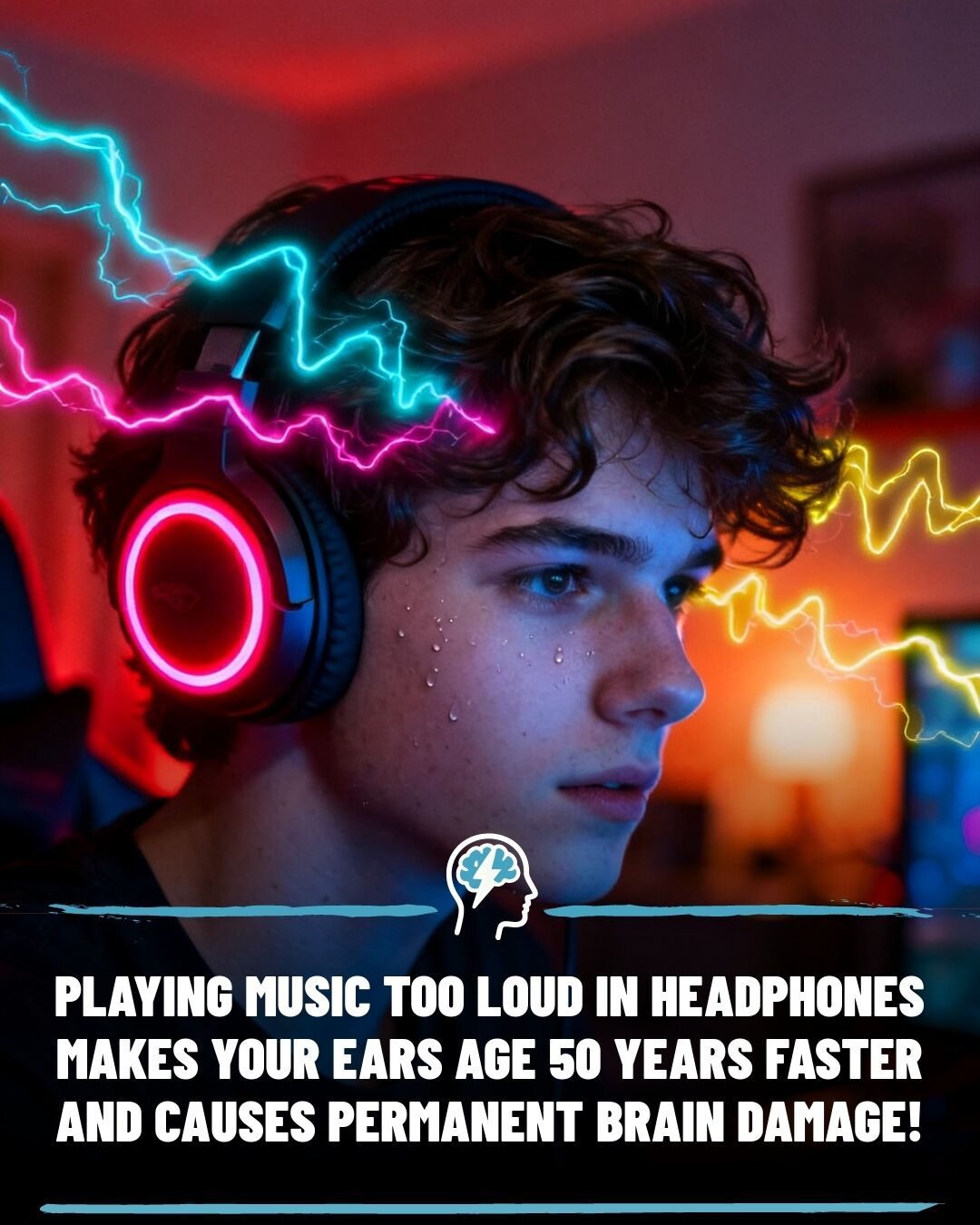
Headphones and Hearing Damage: Understanding the Risks
Headphones have become an essential accessory for many, offering a convenient way to enjoy music, podcasts, and other audio content on the go. However, it's crucial to be aware of the potential risks associated with prolonged and loud headphone use. Research from the Cleveland Clinic suggests that regularly listening to music at full volume can accelerate hearing loss significantly, causing your ears to age prematurely. This means someone in their 50s could have the hearing of an 80-year-old if they frequently blast music through their headphones.
Why This Matters
Hearing damage from loud headphones is a growing concern in today's digital age. With the increasing use of smartphones and portable music players, more people are exposed to high decibel levels for extended periods. Understanding the mechanisms behind hearing loss and the potential long-term effects can help you make informed decisions about your listening habits.
The Science Behind Hearing Loss
Decibel Levels and Exposure Time
Many smartphone headphones can reach around 102 decibels at maximum volume. Studies indicate that exposure to levels above 100 decibels can cause ear damage in as little as five minutes. The World Health Organization classifies this as risky short-term exposure. Prolonged exposure to lower but still high decibel levels can also lead to gradual hearing loss over time.
The Role of Sensory Hair Cells
Deep inside your ears are tiny sensory hair cells that play a crucial role in translating sound into signals your brain can understand. These delicate cells are highly sensitive to excessive noise. When exposed to loud sounds, these cells can become damaged or even destroyed. Unlike many other cells in the body, once these sensory hair cells are destroyed, they cannot regenerate. This permanent damage can lead to significant hearing impairments.
Tinnitus and Brain Damage
When a large number of these sensory hair cells are damaged, the brain may start to "hear" sounds that aren't there. This condition is known as tinnitus, characterized by a persistent ringing or buzzing in the ears. Tinnitus is often linked to noise-induced hearing damage and can be a distressing and debilitating condition.
Headphones can expose the brain to risks beyond just hearing damage. Excessive headphone volume may lead to brain damage. The visual effects in the content, including lightning and brain imagery, emphasize the severity of the potential consequences. Prolonged exposure to loud music can accelerate the aging of the brain, causing issues that go beyond just hearing loss.
Practical Tips for Safe Listening
The 60/60 Rule
Many audiologists recommend following the 60/60 rule to protect your hearing. This guideline suggests keeping your headphone volume under 60 percent and limiting listening sessions to about 60 minutes at a time. These small adjustments can significantly help protect your hearing over the long term.
Volume Control
Be mindful of the volume levels when using headphones. It's easy to turn up the volume, especially in noisy environments, but doing so repeatedly can lead to permanent hearing damage. Use the volume control on your device to keep the sound at a safe level.
Taking Breaks
Regular breaks from listening to music can help reduce the risk of hearing damage. Give your ears a rest every hour to allow the sensory hair cells to recover from the noise exposure.
Investing in Quality Headphones
Consider investing in high-quality headphones that offer good sound isolation. These headphones can help you enjoy your music at lower volumes without the need to turn up the volume to override background noise.
Choosing the Right Settings
Explore the settings on your device to find safe listening options. Many modern smartphones and music players have features that limit the maximum volume to a safe level or provide reminders to take breaks.
Important Takeaways
The Mechanism Matters
Understanding how hearing loss occurs can help you appreciate the importance of protecting your ears. The delicate sensory hair cells in your ears are critical for hearing, and once damaged, they cannot be replaced. Taking steps to prevent this damage is essential for maintaining good hearing health.
Protecting Your Brain
The risks of headphone use extend beyond just hearing loss. Prolonged exposure to loud music can accelerate brain aging and lead to conditions like tinnitus. Protecting your brain health is just as important as safeguarding your hearing.
Long-Term Risks
The effects of loud headphone use may not be immediately apparent, but the long-term risks are significant. Accelerated hearing loss and potential brain damage can have a profound impact on your quality of life. Taking preventive measures now can save you from these future complications.
Conclusion
While headphones offer a convenient way to enjoy music and other audio content, it's essential to be mindful of the potential risks. Regularly listening to music at high volumes can accelerate hearing loss and cause permanent brain damage. By following practical guidelines like the 60/60 rule and taking regular breaks, you can significantly reduce these risks. Think of it as an investment in your future self, ensuring that you can continue to enjoy the sounds around you for years to come.
Questions readers ask
What are the safe headphone volume levels to prevent hearing damage?
To maintain safe listening habits, keep the volume below 85 decibels (dB). This is roughly equivalent to the volume of a typical conversation. It's crucial to remember that the louder the volume, the less time it takes for hearing damage to occur. For instance, listening at 100 dB (similar to a lawnmower or motorcycle) is only safe for 15 minutes at a time. Most smartphones have a maximum volume of around 105 dB, which can cause immediate damage if listened to for too long.
Can headphones cause brain damage?
While headphones primarily pose a risk to hearing, prolonged exposure to high volumes can potentially affect brain health. Studies have linked hearing damage to cognitive decline, and loud noises can cause stress and other health issues. However, the primary concern with headphones is hearing loss, not direct brain damage.
How can I protect my ears when using headphones?
To protect your ears, follow the 60/60 rule: listen at no more than 60% of the maximum volume for no more than 60 minutes a day. Additionally, use noise-canceling headphones to avoid turning up the volume to drown out background noise. Consider using apps or features that monitor and limit headphone volume, such as Apple's 'Sound Check' or Android's 'Sound Alert'.
Why are young adults at a higher risk of hearing loss from headphones?
Young adults are at a higher risk due to their frequent use of headphones and tendency to listen at higher volumes. Regular exposure to loud music can accelerate premature hearing loss, which can start as early as in your 20s, meaning that young adults could experience more severe hearing loss by the time they reach 50.
What are the signs of hearing damage from headphones?
Signs of hearing damage can include ringing in the ears (tinnitus), muffled hearing, or difficulty understanding speech. If you experience any of these symptoms, it's important to take a break from headphone use and consult a healthcare professional to prevent further damage.
How does the Cleveland Clinic recommend preventing hearing loss from headphones?
The Cleveland Clinic recommends keeping the volume at or below 60% of the maximum volume. They also suggest taking regular breaks from listening, such as following the 60/60 rule. Additionally, they advise against using headphones in loud environments, as this can lead to turning up the volume to dangerous levels.
Can I reverse hearing damage from headphones?
Unfortunately, hearing damage is typically irreversible. However, you can take steps to prevent further damage and improve your hearing. If you experience symptoms of hearing loss, consult a healthcare professional for advice and potential treatments. It's essential to start protecting your hearing as soon as possible to avoid further damage.
Related deep dives
Similar reads based on topic and creator.




Recent articles
Fresh deep dives from the latest Reels we unpacked.




Comments
Be the first to comment.