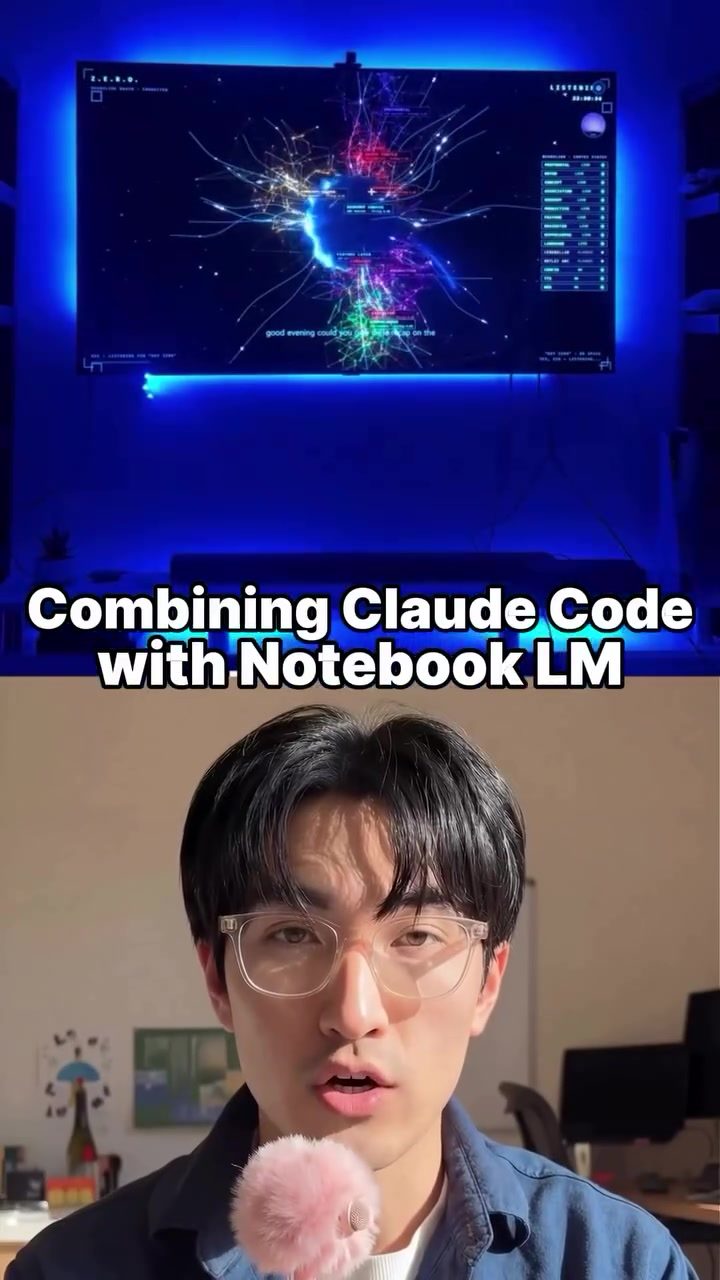
Combining Claude and Notebook Integration
Combining Claude with Notebook is a powerful setup for automating content creation. This integration allows users to harness the capabilities of Google’s free Notebook platform, which can generate a wide range of content types, from podcasts to infographics. The lack of a public API for Notebook makes this integration particularly valuable, as it enables users to run Notebook tasks directly from Claude.
Why This Matters
Content creation has become an essential part of digital marketing, education, and personal branding. The ability to automate this process can save time and resources, allowing creators to focus on other aspects of their work. By integrating Claude with Notebook, users can build personalized AI agents modeled on their own style or their company's voice, generating unlimited content tailored to their niche.
Main Discussion
Understanding Notebook
Notebook is a free AI platform from Google that acts as a virtual assistant for content creation. It can generate a variety of content types, including podcasts, voice demos, and infographics. The platform is designed to be user-friendly, allowing even those with minimal technical skills to create high-quality content quickly.
The Challenge of Integration
One of the main challenges with Notebook is the lack of a public API. This means that users cannot directly connect it to other software or platforms. However, this challenge is overcome by using a repository called Notebook LM Pi. This tool allows users to install a skill that enables running Notebook tasks straight from Claude, thereby automating the content creation process.
Setting Up the Integration
Setting up the integration between Claude and Notebook is straightforward. Users need to install the Notebook LM Pi skill from the repository. This skill acts as a bridge, allowing Claude to communicate with Notebook and run tasks seamlessly. The process can be completed in under 60 seconds, making it accessible even for those with limited technical expertise.
Building a Research Agent
Once the integration is set up, users can build a research agent modeled on their personal style or their company’s voice. This agent can generate unlimited content tailored to their niche, ensuring consistency and relevance. The agent can be programmed to create a wide range of content, from blog posts to social media updates, making it a versatile tool for content creators.
Practical Tips
Installing Notebook LM Pi
To get started with the integration, follow these steps:
- Access the Repository: Find the Notebook LM Pi repository online.
- Install the Skill: Follow the instructions provided in the repository to install the skill.
- Set Up Claude: Ensure that Claude is properly configured to communicate with the installed skill.
- Run Notebook Tasks: Use Claude to run Notebook tasks and generate content.
Customizing the Research Agent
Customizing the research agent to match your style or brand voice is crucial for maintaining consistency. Here are some tips:
- Define Your Voice: Clearly define the tone, language, and style you want the agent to use.
- Train the Agent: Use examples of your writing or content to train the agent.
- Test and Refine: Regularly test the content generated by the agent and make adjustments as needed.
Important Takeaways
Combining Claude with Notebook offers a powerful solution for automating content creation. The integration allows users to leverage the strengths of both platforms, generating high-quality content tailored to their niche. The process is straightforward and can be completed quickly, making it accessible to a wide range of users. By building a personalized research agent, users can ensure consistency and relevance in their content, saving time and resources in the long run.
Conclusion
The integration of Claude with Notebook is a game-changer for content creators. By automating the content creation process, users can focus on other aspects of their work while still producing high-quality, relevant content. The ease of setup and the versatility of the research agent make this integration a valuable tool for anyone looking to enhance their content creation capabilities.
Questions readers ask
How does integrating Claude with Google Notebook simplify content creation?
By combining Claude with Google Notebook, you can automate various content tasks such as generating podcasts or creating infographics. This integration allows you to run Notebook tasks directly from Claude, optimizing your content creation process.
What types of content can be generated using Claude and Notebook integration?
This integration supports the generation of a wide range of content, including podcasts, infographics, and other multimedia formats. It leverages the capabilities of Google Notebook to create content directly from Claude.
Is there a public API available for Google Notebook?
No, Google Notebook does not have a public API. The integration with Claude is particularly valuable as it enables users to run Notebook tasks directly from Claude, bypassing the need for an API.
How can I start using Claude with Google Notebook for content automation?
To begin, you'll need to set up Claude and ensure you have access to Google Notebook. Follow the integration instructions to link the two platforms, then you can start automating your content tasks. A quick start guide is available in the public repository for Claude.
What are the benefits of automating content creation with Claude and Notebook?
Automating content creation with this integration saves time and resources, allowing you to focus on other aspects of your work. This setup can improve efficiency in digital marketing, personal branding, and other areas where content creation is key.
Can I create personalized AI agents with this integration?
Yes, integrating Claude with Google Notebook allows you to build personalized AI agents modeled on your own preferences and requirements. This can further enhance your content creation capabilities and streamline your workflow.
Related deep dives
Similar reads based on topic and creator.




Recent articles
Fresh deep dives from the latest Reels we unpacked.




Comments
Be the first to comment.