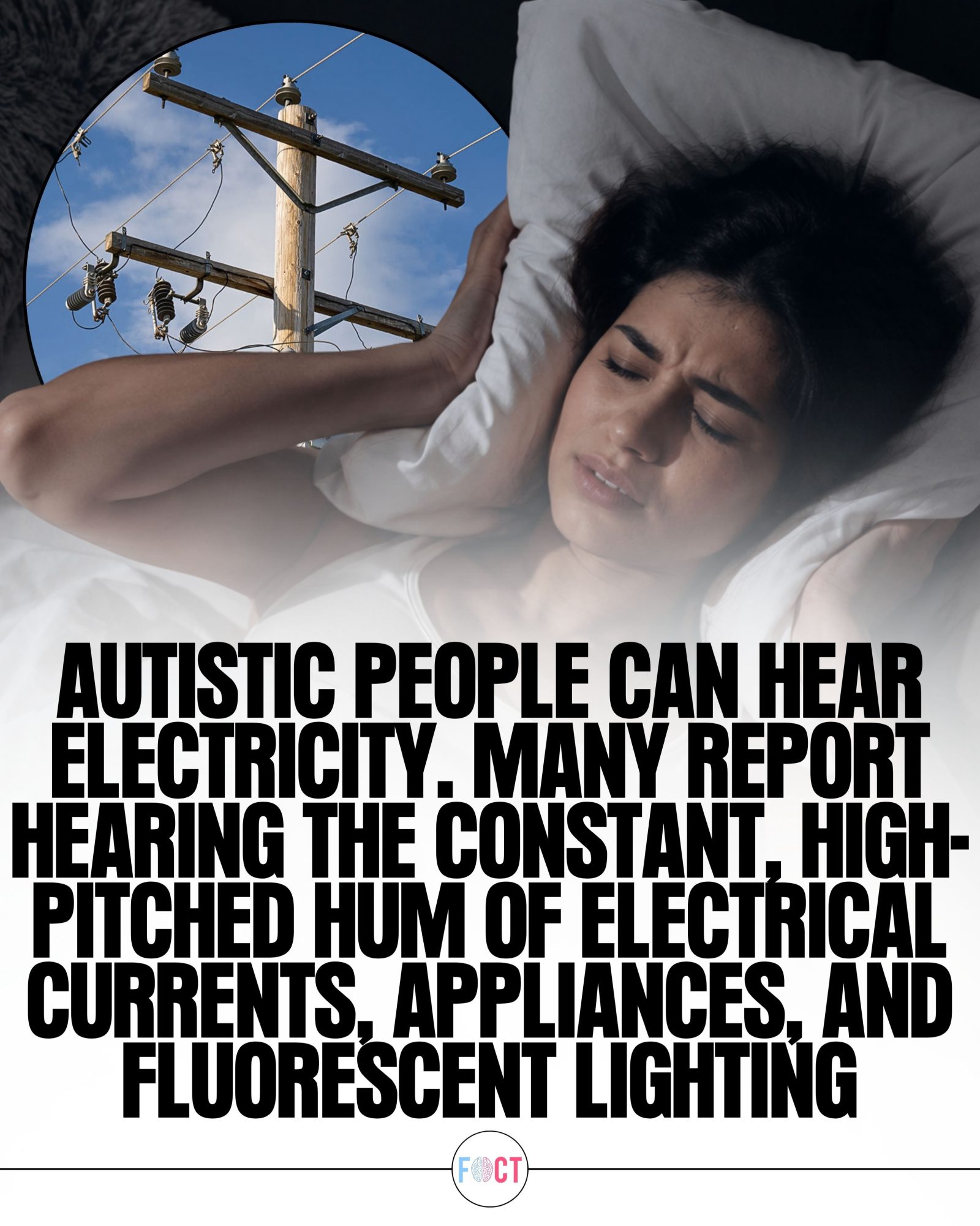
Sensory Sensitivity and Auditory Perception in Autistic Individuals
Auditory hypersensitivity is a significant aspect of sensory processing that many autistic individuals experience. This heightened sensitivity can make everyday environments overwhelming, as common electronic devices emit sounds that are often imperceptible to neurotypical people. Understanding this phenomenon can help create more inclusive and comfortable spaces for those with heightened auditory sensitivity.
Context / Why this matters
Autistic individuals may experience the world differently due to sensory processing differences. These differences can manifest in various ways, including heightened sensitivity to certain sounds. This heightened sensitivity can make everyday environments overwhelming, as common electronic devices emit sounds that are often imperceptible to neurotypical people. Unexplained noises can be a source of distress, fatigue, or even sensory overload, impacting daily life.
Main discussion
Understanding Auditory Sensitivity
Autistic people may be more aware of subtle sounds produced by electronic devices. These sounds are not literally "hearing electricity" but rather the audible high-frequency vibrations known as coil whine or mains hum. This heightened sensitivity can be attributed to several factors:
- Reduced Filtering of Background Sounds: Studies on auditory perception and sensory gating indicate that autistic people are more likely to experience reduced filtering of background sounds. This means that noises that many neurotypical individuals habituate to or ignore remain prominent in conscious awareness for those with autism.
- Differences in Auditory Processing: Research has also found differences in auditory processing and sound tolerance in autism. This can contribute to heightened awareness of charger buzzes, fluorescent lighting hums, computer components, and other electronic frequencies.
Common Sources of Auditory Distress
Several everyday electronic devices and appliances can be sources of auditory discomfort for autistic individuals:
- Electrical Components: Transformers, coils, and power supplies can generate audible high-frequency vibrations.
- Appliances and Lighting: Many report hearing the constant, high-pitched hum of electrical currents, appliances, and fluorescent lighting.
- Chargers and Computers: Charger buzzes and the hum of computer components are frequent sources of distress.
The Impact of Heightened Sensitivity
The constant exposure to these sounds can lead to various issues, including:
- Distraction: The persistent hum can make it difficult to focus on tasks, leading to distraction and reduced productivity.
- Fatigue: Continual exposure to these sounds can cause fatigue, adding to the overall stress levels.
- Sensory Overload: In severe cases, the cumulative effect of these sounds can lead to sensory overload, a state of intense distress or discomfort.
Practical tips
Creating a More Comfortable Environment
If you live or work with someone who experiences heightened auditory sensitivity, there are several steps you can take to create a more comfortable environment:
- Reduce Noise Levels: Use quieter appliances and lighting options, and consider soundproofing or noise-cancelling solutions.
- Identify and Minimize Noise Sources: Identify the specific sources of noise that are most bothersome and take steps to minimize them. This might involve unplugging devices when not in use, using different types of lighting, or applying coatings to surfaces to absorb sound.
- Create Quiet Spaces: Designate specific areas of the home or workplace as quiet spaces where sensory stimuli are minimized, such as a windowless room or a soundproof booth.
- Use Earplugs or Noise-Cancelling Headphones: These can help block out the persistent hums and buzzes, providing a temporary respite from the noise.
Choosing the Right Products
When selecting appliances and lighting, consider their noise output. Look for products specifically designed to be quieter or those that emit lower frequencies, which are generally less noticeable.
- Silent or Low-Noise Appliances: Many manufacturers offer appliances that are designed to operate quietly, such as low-noise vacuum cleaners or dishwashers.
- LED Lighting: Fluorescent lighting is particularly notorious for its hum. LED lighting is a good alternative that generally produces less noise and is more energy-efficient.
Important takeaways
- Awareness: Recognize that heightened auditory sensitivity is a real and impactful aspect of sensory processing for many autistic individuals.
- Understanding: Understand the sources of these sounds and their potential impact on daily life.
- Action: Take practical steps to minimize noise levels and create a more comfortable environment.
Maintaining open communication with individuals who experience auditory sensitivity will help to identify specific triggers and find effective solutions.
Conclusion
Heightened auditory sensitivity is a significant aspect of sensory processing for many autistic individuals, impacting their daily life in various ways. By understanding the sources of these sounds and taking practical steps to minimize them, we can create more inclusive and comfortable environments. With awareness and action, we can make a meaningful difference in the lives of those experiencing auditory sensitivity.
Questions readers ask
What are some common electronic sounds that autistic individuals might be sensitive to?
Autistic individuals may be sensitive to a wide range of electronic sounds that neurotypical people often overlook. These can include the hum of fluorescent lights, the buzz of chargers, and the whirring of computers or other electronic devices. Even the faint sound of a clock ticking can be perceived as overwhelming.
How does heightened sensitivity to electronic sounds impact daily life for autistic individuals?
Heightened sensitivity to electronic sounds can make everyday environments overwhelming and uncomfortable. This can affect concentration, relaxation, and overall well-being, potentially leading to increased stress and anxiety. It can also make social situations more challenging, especially in environments with background electronic noises.
What strategies can help autistic individuals manage their sensitivity to electronic sounds?
There are several strategies that can help manage sensitivity to electronic sounds. These include using noise-canceling headphones, identifying and reducing sources of electronic noise in the environment, and taking regular breaks from noisy environments. Creating a quiet, soundproofed space can also provide relief.
Why might autistic individuals perceive electronic sounds that neurotypical people do not?
Autistic individuals often have a different auditory processing system. This means they can detect and process sounds at lower frequencies or volumes than neurotypical people. Additionally, they may perceive these sounds as more intrusive or unpleasant, contributing to their heightened sensitivity.
Can heightened sensitivity to electronic sounds be temporary or does it persist?
Heightened sensitivity to electronic sounds can vary from person to person and even from day to day. For some autistic individuals, it may be persistent, while for others, it might fluctuate based on their overall stress levels, fatigue, or the specific environment they are in. It's important to recognize that this sensitivity is a real and ongoing challenge for many autistic individuals.
How can friends and family support autistic individuals with heightened sensitivity to electronic sounds?
Friends and family can support autistic individuals by being aware of their sensory sensitivities and making adjustments to the environment. This could involve turning off or moving electronic devices, using alternative lighting, or even simply being mindful of background noise. Open communication and understanding can also play a crucial role in providing support.
Are there any specific environments where autistic individuals might find relief from electronic sounds?
Autistic individuals might find relief in environments designed with sensory sensitivity in mind, such as quiet rooms or spaces with minimal electronic devices. Natural environments, like parks or forests, can also provide a break from electronic sounds, as can designated sensory-friendly zones in public places. Creating a personal sanctuary at home can also offer a respite from overwhelming sounds.
Related deep dives
Similar reads based on topic and creator.

Recent articles
Fresh deep dives from the latest Reels we unpacked.




Comments
Be the first to comment.