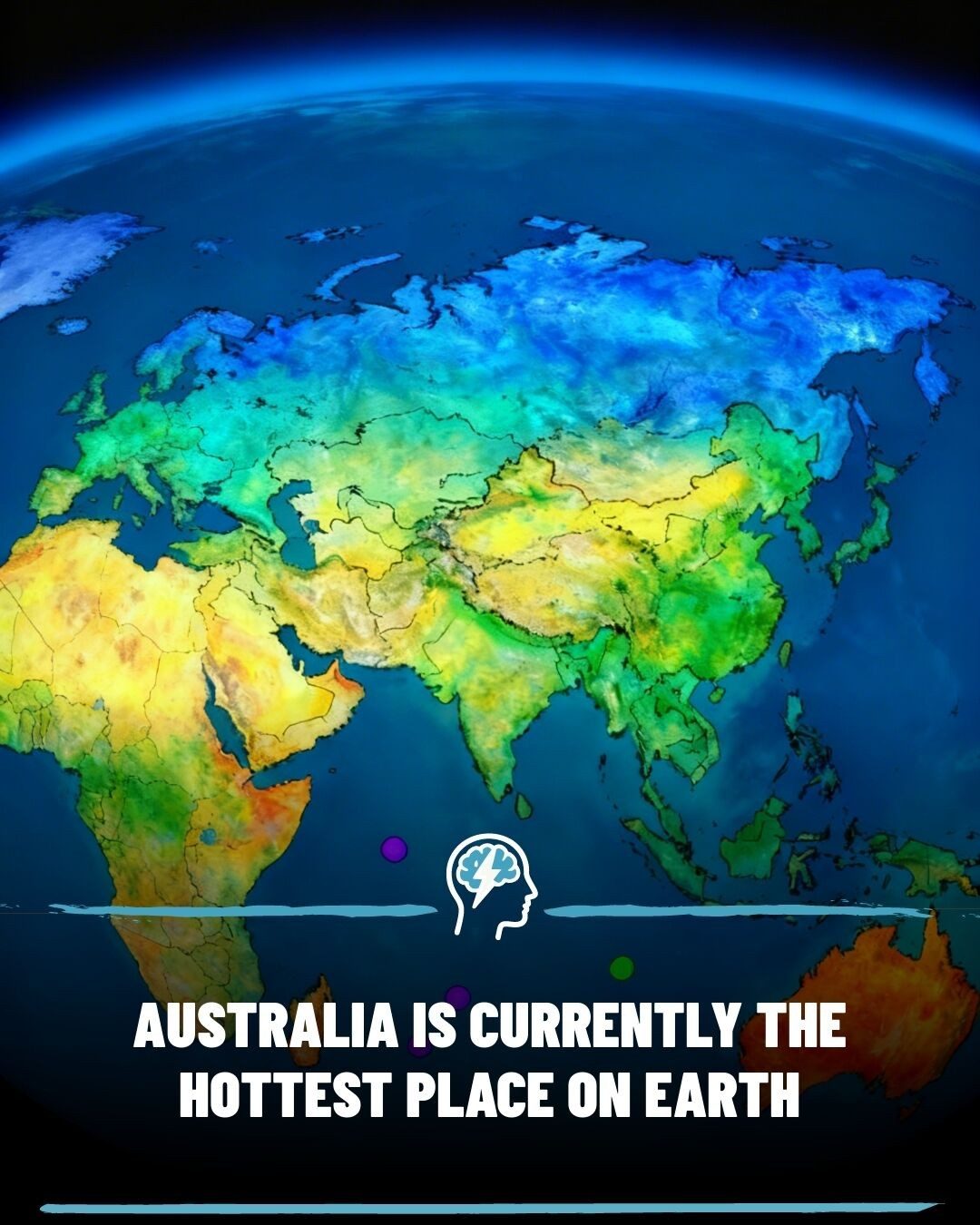
Australia's January 2026 Heatwave: Record-Breaking Temperatures and Climate Context
Australia's January 2026 heatwave was a significant event, breaking numerous temperature records. Southeastern Australia, encompassing South Australia, New South Wales, and Victoria, experienced extreme heat, with specific locations recording unprecedented high temperatures. The heatwave was particularly intense, reaching 50.0°C in Andamooka and Port Augusta on January 29-30, and 49.7°C in Pooncarie on January 27.
Why This Matters
The broader climate context surrounding this heatwave is concerning. Since the 1961-1990 baseline, Australia has warmed by approximately 1.46°C. This warming trend is not isolated to air temperatures; ocean surface temperatures surrounding Australia were the warmest on record in 2024. These trends are linked to ongoing climate warming, a phenomenon that has significant implications for the future.
Record-Breaking Temperatures
The January 2026 heatwave in Australia was a notable event because of the extreme temperatures recorded. The highest temperatures were reached in Andamooka and Port Augusta on January 29-30, and in Pooncarie on January 27. These temperatures are genuinely extreme, making this heatwave one of the most significant in Australian history.
Geographical Impact
Southeastern Australia, including South Australia, New South Wales, and Victoria, experienced the most severe heat. The region's infrastructure and population were significantly affected by the extreme temperatures. The heat map overlays used in climate monitoring clearly show Australia as the hottest region on Earth during this period.
Data Validation
Accurate climate communication is crucial. Data from NASA and the Bureau of Meteorology Australia confirm the extreme readings. These reliable sources provide the necessary context to understand the true scale of the heatwave. Climate scientists have long warned about these patterns, and the 2026 heatwave fits this narrative perfectly.
Climate Warming Trends
The January 2026 heatwave is part of a broader trend of climate warming. Since the 1961-1990 baseline, Australia has experienced a significant increase in temperatures. This warming trend is evident not only in air temperatures but also in ocean surface temperatures. The year 2024 saw the warmest ocean surface temperatures on record around Australia.
The Importance of Accurate Reporting
The 2026 heatwave underscores the importance of accurate climate communication. The real data is alarming enough without the need for exaggeration. Unverified numbers can undermine public trust in legitimate climate science. When sharing climate content, it is essential to look for specific citations and verified measurements to ensure accuracy and reliability.
Climate Communication and Public Trust
Accurate climate communication is essential for public trust in climate science. Unverified numbers and exaggerated claims can lead to skepticism and mistrust. The 2026 heatwave is a prime example of why it is crucial to rely on verified data and reliable sources. This approach ensures that the public is informed about the true extent of climate impacts and the need for action.
Regional Variations in Climate Impact
Climate impacts vary by region, and individual experiences during extreme heat events differ based on location, infrastructure, and personal vulnerability. The 2026 heatwave in Australia highlights the need for a nuanced understanding of regional climate impacts. This understanding is essential for developing targeted responses and mitigation strategies.
Practical Tips for Understanding Extreme Heat Events
Understanding extreme heat events requires a multi-faceted approach. Here are some practical tips:
Stay Informed
Rely on verified data and reliable sources for accurate information. This ensures that you are well-informed about the true extent of the climate impacts.
Prepare for Extreme Heat
Prepare for extreme heat events by understanding your region's specific vulnerabilities. This knowledge can help you take appropriate measures to protect yourself and your community.
Support Climate Action
Support climate action initiatives to mitigate the impacts of climate warming. This includes advocating for policies that address climate change and supporting organizations working on climate solutions.
Important Takeaways
Accurate Data Matters
The real data is alarming enough. Unverified numbers can undermine public trust in legitimate climate science. Ensure that you rely on verified data and reliable sources for accurate information.
Regional Variations
Climate impacts vary by region. Understanding the specific vulnerabilities of your region is essential for taking appropriate measures to protect yourself and your community.
Support Climate Action
Support climate action initiatives to mitigate the impacts of climate warming. This includes advocating for policies that address climate change and supporting organizations working on climate solutions.
Conclusion
Australia's January 2026 heatwave was a record-breaking event that fits the patterns scientists have long warned about. The extreme temperatures recorded during this period highlight the broader trend of climate warming. Accurate climate communication, reliance on verified data, and regional context are essential for understanding and addressing the impacts of climate change. By staying informed and supporting climate action, we can work towards mitigating the effects of climate warming and protecting our communities.
Questions readers ask
What specific areas in Australia were most affected by the January 2026 heatwave?
The most affected areas were in southeastern Australia, particularly in South Australia, New South Wales, and Victoria. These regions experienced some of the highest temperatures, with certain locations reaching unprecedented levels.
What were the highest temperatures recorded during the January 2026 heatwave?
The highest temperatures recorded during the heatwave were 50.0°C in Andamooka and Port Augusta on January 29-30, and 49.7°C in Pooncarie on January 27. These temperatures set new records for the region.
How does the January 2026 heatwave relate to broader climate trends in Australia?
The heatwave is part of a broader trend of increasing temperatures in Australia. Since the 1961-1990 baseline, the country has warmed by approximately 1.46°C, indicating a significant shift in climate patterns.
Were there any notable records broken during the January 2026 heatwave?
Yes, the heatwave broke numerous temperature records. Specifically, the temperatures reached in Andamooka, Port Augusta, and Pooncarie were the highest ever recorded in those areas, highlighting the intensity of the event.
How did the ocean surface temperatures around Australia during the 2026 heatwave?
The ocean surface temperatures surrounding Australia were the warmest on record. This increase in ocean temperatures is likely related to the extreme heat experienced on land, as the two are closely interconnected.
What does the January 2026 heatwave tell us about the future of Australia's climate?
The heatwave serves as a stark reminder of the intensifying climate trends in Australia. It underscores the need for increased awareness and preparedness for future extreme weather events. The unprecedented temperatures experienced during the heatwave suggest that similar or even more intense events may occur in the future.
What measures can individuals take to prepare for future heatwaves?
Individuals can prepare for future heatwaves by staying informed about weather forecasts, ensuring they have access to cool spaces, staying hydrated, and avoiding outdoor activities during peak heat hours. Additionally, communities should develop and implement heatwave response plans to protect vulnerable populations.
Related deep dives
Similar reads based on topic and creator.



Recent articles
Fresh deep dives from the latest Reels we unpacked.




Comments
Be the first to comment.