Space's Unique Challenges
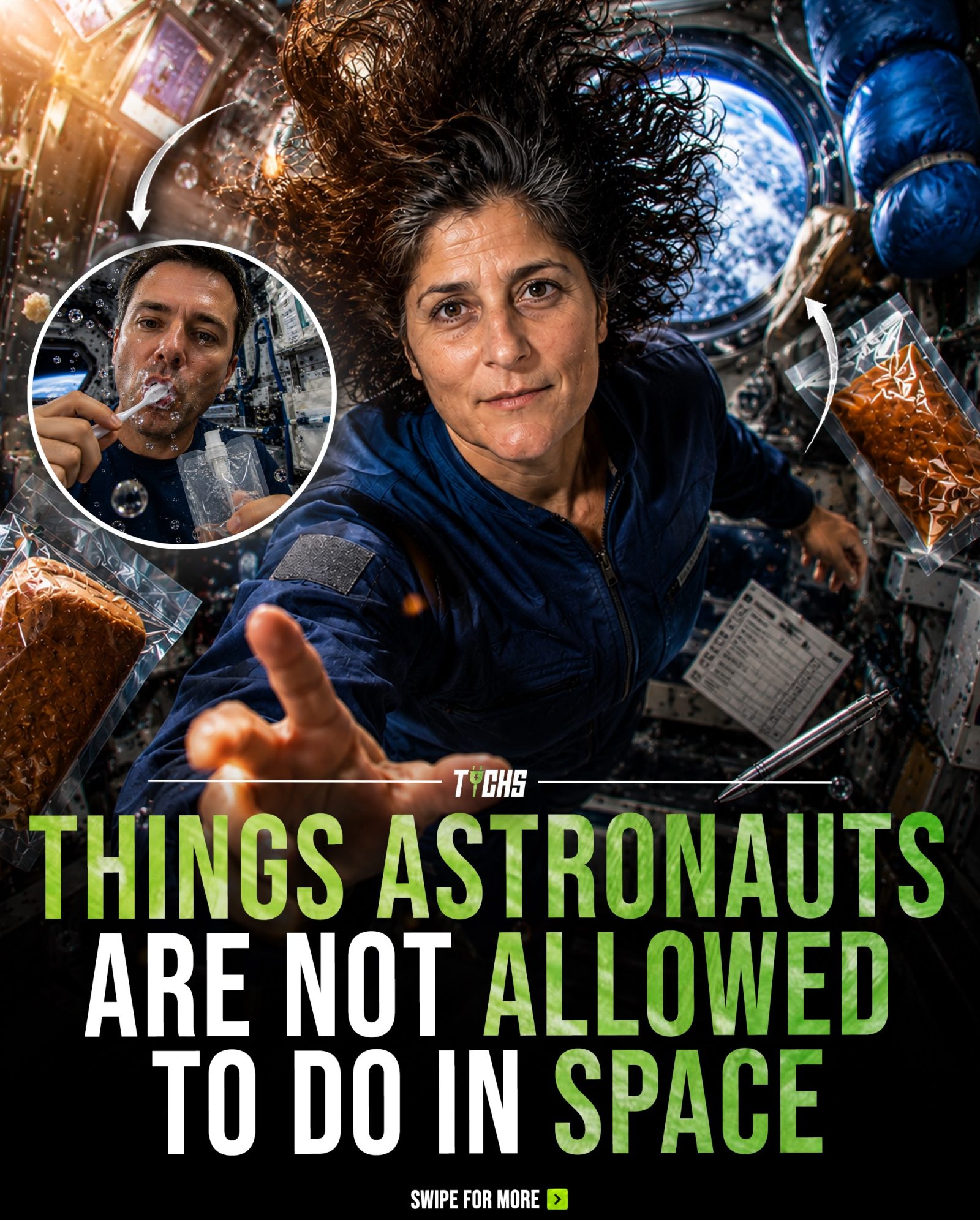
Life in space is a stark contrast to life on Earth, and astronauts must adhere to a set of rules that might seem unusual. The International Space Station (ISS) has specific restrictions on items like bread, powdered salt, pepper, alcohol, open flames, and carbonated drinks. These restrictions exist because microgravity alters the behavior of fire, liquids, and even tiny particles, making everyday tasks require specialized procedures.
Why This Matters
Understanding the unique challenges of space travel helps us appreciate the complexity of life beyond Earth. From floating tears to edible toothpaste, every aspect of daily life must be carefully redesigned. This is not just about survival; it's about the intricate balance of science, technology, and human adaptation that makes space exploration possible.
The Restrictions and Their Reasons
Open Flames
One of the most critical restrictions is the ban on open flames. In microgravity, fire behaves differently than on Earth. Instead of rising as a flame, it forms floating spheres that are much harder to control. This poses a significant risk to the spacecraft and its occupants, making open flames a strict no-go.
Pencils
An unexpected item on the banned list is pencils. After the Apollo 1 fire in 1967, where a spark from an electrical short caused by graphite fragments ignited a deadly blaze, NASA tightened its safety rules. The risk of floating graphite fragments causing electrical shorts led to the switch from pencils to safer space pens, ensuring that writing tools are both safe and functional in microgravity.
Food and Drinks
Food and drinks also face unique challenges in space. Bread, for instance, can release crumbs that float around and pose a choking hazard or clog vents. Powdered salt and pepper can behave unpredictably, floating away and contaminating equipment. Carbonated drinks are off-limits because the carbonation bubbles can cause discomfort and pose a risk to equipment. Alcohol is prohibited not only for safety reasons but also because its consumption in microgravity can lead to severe dehydration and disorientation.
Daily Activities
Simple activities like brushing teeth, sleeping, cleaning, and eating require specialized procedures. Floating tears, edible toothpaste, sleeping bags attached to walls, and the absence of showers are all adaptations to the challenges posed by microgravity. These adaptations highlight the need for meticulous planning and innovation to ensure the safety and comfort of astronauts.
Practical Tips for Understanding Space Travel
Safety First
The primary focus in space is safety. Every item and procedure is carefully vetted to ensure it does not pose a risk. Understanding this can help in appreciating the meticulous planning and innovation that go into space missions.
Adaptability
Life in space requires adaptability. From specialized tools to redesigned daily routines, astronauts must adapt to an environment vastly different from Earth. This adaptability is crucial for survival and success in space missions.
Technology and Science
Space travel relies heavily on technology and science. From the design of spacecraft to the development of specialized tools, every aspect of space travel is a testament to human ingenuity.
Important Takeaways
Space travel is not just about advanced spacecraft; it requires a deep understanding of how everyday items and activities behave in microgravity. The restrictions and adaptations are not arbitrary but are based on scientific principles and past experiences. These takeaways underscore the unique challenges and the incredible innovations that make space exploration possible.
Conclusion
Life in space is a testament to human ingenuity and adaptability. From the ban on open flames to the specialized tools and procedures, every aspect of space travel is designed to overcome the challenges posed by microgravity. Understanding these restrictions and adaptations provides a deeper appreciation for the complexity and innovation involved in space exploration. It's a reminder that surviving and working in orbit requires far more than advanced spacecraft; it demands a comprehensive understanding of science, technology, and human adaptability.
Questions readers ask
Why are open flames not allowed in space?
Open flames are prohibited because they behave differently in microgravity. Instead of rising, flames form spheres and can spread rapidly, making them difficult to control and posing a significant fire risk. This is why astronauts use specialized tools for soldering and other tasks that require heat.
What makes carbonated drinks dangerous in space?
Carbonated drinks are banned due to the behavior of liquids in space. The carbonation can cause liquids to float, potentially leading to blockages in plumbing systems, and creating a mess in the confined space of the spacecraft.
Are there specific rules for eating in space?
Yes, there are specific rules for eating. Items like bread are banned because they can produce crumbs that float away and pose a hazard to the equipment. Similarly, powdered substances like salt and pepper require specialized dispensers to prevent particles from floating around the cabin.
How do astronauts handle fire safety in space?
Fire safety in space is crucial and includes using non-flamable materials, having fire extinguishers designed for microgravity, and preventing sparks from electrical equipment. Astronauts also undergo training to handle fire emergencies in the unique environment of space.
What precautions are taken to manage liquids in space?
Liquids are managed carefully using special containers and drinking bags. These items prevent liquids from floating freely and ensure they can be consumed safely. Also, astronauts avoid using liquids in other objects, like coffee mugs, which don't work properly in space.
Recent articles
Fresh deep dives from the latest Reels we unpacked.
Comments
Be the first to comment.