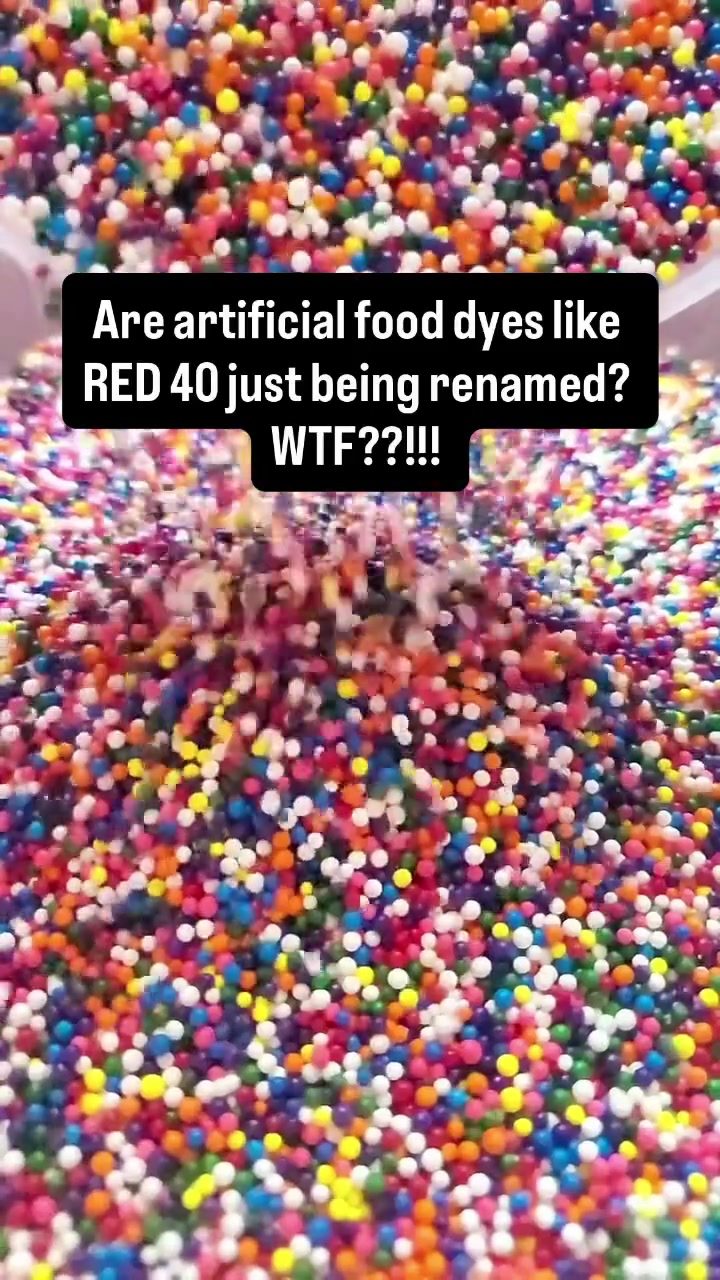
Artificial Food Dyes: The Ongoing Debate and FDA's Stance
Artificial food dyes, such as those used in colorful sprinkles, have long been a topic of debate among consumers and regulatory bodies. The discussion centers around the safety and necessity of these dyes, as well as the Food and Drug Administration's (FDA) efforts to address public concerns.
Why This Matters
Artificial food dyes are commonly used to enhance the appearance of various food products, from candies and baked goods to beverages and cereals. However, there has been growing concern over their potential health impacts. Some dyes, like Red 40, Blue 1, and Yellow 5, have been linked to various health issues, including hyperactivity in children and allergic reactions. This has led to a debate about whether these dyes are being adequately regulated and if there are safer alternatives available.
The Controversy Around Artificial Food Dyes
The use of artificial food dyes has been a contentious issue for decades. Critics argue that these dyes, often derived from petroleum, pose health risks and that the FDA's regulations are not stringent enough. Proponents, however, maintain that these dyes are safe when used in accordance with FDA guidelines and that they play a crucial role in making food products more appealing.
Commonly Used Dyes and Their Concerns
Some of the most commonly used artificial food dyes include:
- Red 40: Often used in candies, cereals, and baked goods, Red 40 has been linked to hyperactivity and allergic reactions in some individuals.
- Blue 1: Found in beverages, ice cream, and candy, Blue 1 has been associated with allergic reactions and potential carcinogenic effects.
- Yellow 5: Used in a wide range of foods, including baked goods, candies, and beverages, Yellow 5 has been linked to hyperactivity and allergic reactions.
The FDA's Response to Concerns
The FDA has taken steps to address the concerns surrounding artificial food dyes. According to text overlays, the FDA claims to be working with industry to phase out six petroleum-based certified dyes. These dyes, including Red 40, Yellow 5, and Blue 1, are being replaced with natural color sources.
Phasing Out Petroleum-Based Dyes
The FDA's initiative to replace petroleum-based dyes with natural alternatives is a significant step. Natural dyes, derived from sources like fruits, vegetables, and minerals, are generally considered safer and more environmentally friendly. However, the transition is not without challenges. Natural dyes can be more expensive and less stable than their synthetic counterparts, making the shift a complex process for manufacturers.
Industry and Consumer Perspectives
The industry's response to the FDA's efforts has been mixed. While some manufacturers are actively seeking natural alternatives, others are resistant to the change due to cost and production challenges. Consumers, on the other hand, are increasingly demanding transparency and safety in the products they purchase.
Practical Tips for Consumers
As the debate around artificial food dyes continues, consumers can take several practical steps to make informed choices about the products they consume.
1. Read Labels Carefully
Checking the ingredient labels of food products is crucial. Look for artificial food dyes listed on the label, such as Red 40, Blue 1, and Yellow 5, and opt for products that use natural color sources instead.
2. Choose Natural Alternatives
Where possible, choose foods that are naturally colored or use natural dyes. Fresh fruits, vegetables, and minimally processed foods are often free from artificial additives.
3. Support Transparency
Look for brands that are transparent about their ingredient sources and manufacturing processes. Companies that prioritize safety and sustainability are more likely to use safer alternatives to artificial food dyes.
Important Takeaways
- Avoid Renamed Dyes: Be cautious of products that claim to have "natural" or "improved" dyes but still contain the same artificial ingredients under different names.
- The FDA’s Initiative: Recognize that the FDA is actively working to phase out petroleum-based dyes and replace them with natural alternatives. This is a positive step toward enhancing food safety.
- Consumer Awareness: Consumers have the power to influence the market by making informed choices and supporting brands that prioritize natural ingredients.
Conclusion
The debate around artificial food dyes is multifaceted, involving health concerns, regulatory responses, and industry challenges. While the FDA's efforts to phase out petroleum-based dyes are a step in the right direction, it's essential for consumers to remain vigilant and make informed choices. By reading labels carefully, choosing natural alternatives, and supporting transparency, consumers can play a significant role in driving positive change in the food industry.
Questions readers ask
What are the primary health concerns associated with artificial food dyes?
Artificial food dyes, particularly those derived from petroleum, have been linked to various health issues. These include hyperactivity in children, allergic reactions, and other adverse effects. Some of the most commonly cited dyes with potential health risks are Red 40, Blue 1, and Yellow 5.
Why is the FDA phasing out petroleum-based dyes?
The FDA's decision to phase out petroleum-based dyes is a response to growing public concern over their potential health risks. By encouraging the use of natural alternatives, the FDA aims to mitigate these risks and provide consumers with safer options.
What alternatives to artificial food dyes is the FDA encouraging?
The FDA is promoting the use of natural food dyes as alternatives to petroleum-based ones. These natural dyes are derived from sources like fruits, vegetables, and spices, and they offer a safer profile for consumers.
Which food products are most likely to be affected by the FDA's regulations?
The FDA's regulations will impact a wide range of food products that commonly use artificial dyes, including candies, baked goods, beverages, and cereals. These products often rely on dyes to enhance their visual appeal.
How can consumers identify dye-free or naturally dyed products?
Consumers can identify dye-free or naturally dyed products by checking the ingredient lists on packaging. Products that use natural dyes will list ingredients like beetroot powder, turmeric, or annatto instead of artificial dyes like Red 40 or Blue 1.
What is the timeline for the phase-out of petroleum-based dyes?
The timeline for phasing out petroleum-based dyes can vary depending on the specific dye and the product category. The FDA is working with manufacturers to gradually replace these dyes with natural alternatives, so consumers may start seeing changes in product formulations over the coming years.
Related deep dives
Similar reads based on topic and creator.




Recent articles
Fresh deep dives from the latest Reels we unpacked.




Comments
Be the first to comment.