The Era of Serious Learning
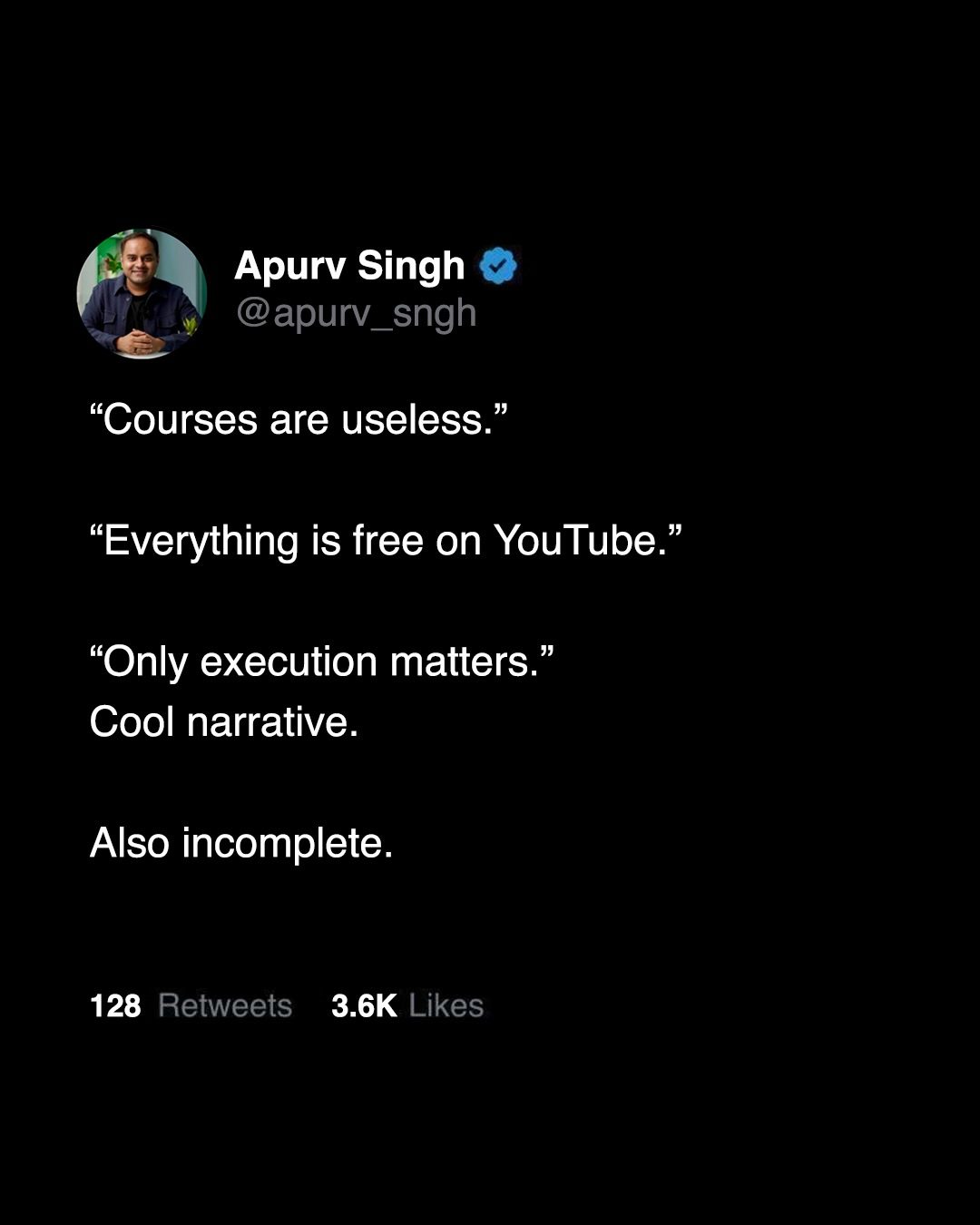
The era of serious learning is back, and it's transforming the way we approach education. In a world where information is more accessible than ever, the traditional notion of education is being challenged. Let's delve into the shifting landscape of learning and how the modern educational environment is evolving to meet new demands.
Why this matters
The accessibility of information, driven in large part by platforms like YouTube, has democratized education in unprecedented ways. This shift has profound implications for how we view formal education, the value of courses, and the importance of practical application. Understanding these changes can help individuals and institutions navigate the new educational landscape effectively.
The value of online resources
YouTube as a free educational tool
YouTube has emerged as a powerful tool for free educational resources. From tutorials and lectures to in-depth courses, the platform offers a wealth of knowledge across virtually every subject. This accessibility has made learning more democratic, allowing anyone with an internet connection to access high-quality educational content. Whether you're looking to learn a new skill, understand complex concepts, or simply expand your knowledge, YouTube provides a rich repository of resources.
The role of execution and application
While the availability of free resources is a significant advantage, the importance of practical application cannot be overstated. The phrase "execution is crucial" underscores the need to go beyond passive consumption of information. Watching a tutorial or reading a course material is just the first step. The real learning happens when you apply what you've learned to real-world situations. This hands-on approach helps reinforce knowledge and ensures that you can apply it effectively in your professional or personal life.
The incomplete narrative of free education
The narrative that everything is available for free and ready-made on YouTube, though appealing, is incomplete. While there is indeed a wealth of free content, it lacks the structured guidance and accountability that formal education provides. Courses, whether online or in-person, offer a structured learning path, feedback, and assessments that ensure you are progressing in your knowledge and skills. This structured approach is essential for developing a deep understanding of a subject and gaining the confidence to apply it in various contexts.
Practical tips for navigating the new educational landscape
Supplementing formal education with online resources
One of the best ways to take advantage of the new educational landscape is to supplement your formal education with online resources. Whether you're a student or a professional, using online platforms like YouTube to deepen your understanding of a topic can be incredibly beneficial. This approach allows you to learn at your own pace and explore topics in greater depth.
The importance of structured learning
While online resources are valuable, they should not replace structured learning entirely. Enrolling in courses, whether through traditional universities or online platforms, provides a structured learning environment. This structure helps you stay focused, ensures you cover all necessary topics, and provides feedback to gauge your progress. Even if you opt for self-paced learning, having a clear plan and goals can help you stay on track.
Balance between theory and practice
Finding a balance between theoretical knowledge and practical application is crucial. Theoretical knowledge provides the foundation, while practical application helps you apply that knowledge in real-world scenarios. Engage in hands-on projects, internships, and practical assignments to reinforce your learning. This dual approach ensures that you not only understand the concepts but can also implement them effectively.
Important takeaways
- The accessibility of free educational resources on platforms like YouTube has made learning more democratic.
- While free resources are valuable, they do not replace the structured guidance and accountability of formal education.
- Practical application is crucial for reinforcing knowledge and ensuring you can apply it effectively.
- Supplementing formal education with online resources can enhance your learning experience.
- Balancing theoretical knowledge with practical application is essential for a well-rounded education.
Conclusion
The era of serious learning is indeed back, and it's shaping up to be more dynamic and accessible than ever before. By leveraging both free online resources and formal education, individuals can gain a comprehensive understanding of their chosen subjects. The key is to use these tools in tandem, ensuring that theoretical knowledge is reinforced with practical application. This balanced approach will help you stay ahead in a rapidly changing world, where the ability to adapt and apply knowledge is more important than ever.
Questions readers ask
Are free YouTube courses as effective as paid courses?
Free YouTube courses can be just as effective as paid courses, provided they are created by knowledgeable instructors and cover the material comprehensively. The key difference often lies in the structure and additional resources offered in paid courses, such as quizzes or certifications.
How can I ensure I'm getting quality content from free YouTube courses?
To ensure quality, look for courses with high viewer engagement, positive comments, and a proven track record from the creator. Additionally, check the instructor's credentials and consider the channel's overall reputation. Courses with clear, well-structured content are usually more reliable.
What are some common myths about online learning on YouTube?
One common myth is that online learning on YouTube is less effective than traditional classroom learning. Another is that free resources are always inferior to paid ones. Apurv Singh debunks these by emphasizing the importance of practical application and choosing the right resources.
How can I apply what I learn from free YouTube courses in real-life situations?
To apply your knowledge effectively, focus on courses that emphasize practical skills and real-world examples. Consider hands-on projects or exercises to reinforce what you've learned. Additionally, engaging with communities or forums related to the subject can provide support and practical insights.
Why is practical application important, even when learning from free online courses?
Practical application is crucial because it helps reinforce the theoretical knowledge you gain. It allows you to understand how to execute what you've learned in real-world scenarios, making the learning experience more meaningful and useful. This is a key point highlighted by Apurv Singh in his discussions on online learning.
Are there any specific tips from Apurv Singh for getting the most out of free YouTube courses?
Apurv Singh recommends setting clear learning goals, choosing courses from reputable creators, and actively engaging with the content. He also emphasizes the importance of taking notes, asking questions, and participating in related online communities to enhance your learning experience.
Can free YouTube courses replace traditional forms of learning entirely?
Free YouTube courses can be a valuable supplement to traditional learning but may not entirely replace it, especially for structured, credentialed programs. Traditional settings often provide a comprehensive curriculum, peer interaction, and direct guidance from instructors, which can be beneficial for certain learning styles and subjects.
Related deep dives
Similar reads based on topic and creator.



Recent articles
Fresh deep dives from the latest Reels we unpacked.




Comments
Be the first to comment.