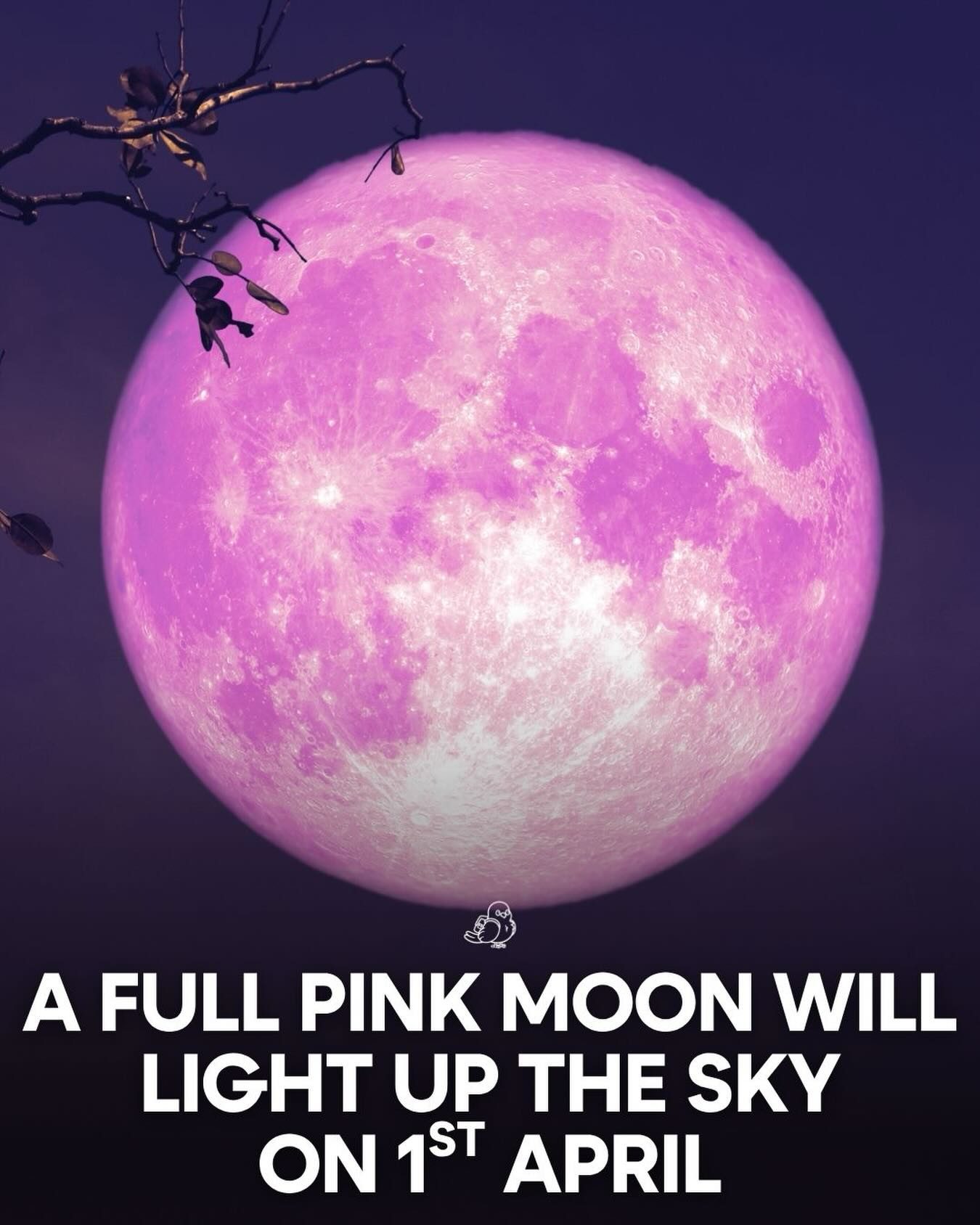
The Pink Moon in April 2024
The Pink Moon is a captivating astronomical event that occurs annually in April. It’s more than just a full moon; it’s a celestial phenomenon rich in cultural and astronomical significance. The term "Pink Moon" originates from Native American and early colonial traditions, where it refers to the blooming of wild ground phlox, one of the first flowers of spring in North America. This name is a seasonal marker, symbolizing renewal, warmer days, and the transition out of winter.
Why this matters
The Pink Moon is a significant event for both stargazers and those interested in cultural traditions. It’s a time to appreciate the beauty of the night sky and understand the cultural significance behind this celestial phenomenon. But it also provides a moment to witness the first full moon of spring, which can be particularly stunning. When the Pink Moon reaches peak illumination, it appears bright and golden-white, especially near the horizon, where it can look larger due to the “moon illusion.”
The Science Behind the Pink Moon
Astronomical Alignment
The Pink Moon is the full moon that occurs in April. This happens when the Earth is positioned directly between the Sun and the Moon, allowing the Moon’s surface to be fully illuminated by sunlight. This astronomical alignment makes the moon appear full and bright in the night sky. The exact timing of the full moon can vary slightly by location, but generally, it will reach peak illumination around the night of April 1.
The Moon Illusion
One of the most striking features of the Pink Moon is how it appears near the horizon. The “moon illusion” makes the Moon look larger and more dramatic when it's low in the sky. This optical phenomenon is a result of how our brains perceive the size of objects in relation to their surroundings. When the Moon is near the horizon, it appears larger because it is surrounded by familiar objects like trees and buildings, which our brains use to judge its size. This illusion can make the Pink Moon look particularly impressive and dramatic.
Cultural Significance
Native American Traditions
The term "Pink Moon" comes from the cultural traditions of Native Americans and early colonial settlers. It references the blooming of wild ground phlox, which is one of the first flowers to bloom in spring. This flower is often found in abundance across the fields of North America, and its blooming signals the arrival of warmer weather and the end of winter.
The Paschal Moon
In some years, the April full moon is also known as the Paschal Moon. This name is derived from the Paschal Full Moon, which is the first full moon after the spring equinox. The Paschal Moon is particularly significant because it is used to determine the date of Easter in many parts of the world. This cultural significance adds another layer of meaning to the Pink Moon, making it a time of both astronomical and religious importance.
Best Time to Watch
To get the most out of the Pink Moon experience, plan to watch it just after sunset. During this time, the Moon rises low in the sky, making it appear at its biggest and most dramatic due to the moon illusion. This is also when the sky is transitioning from day to night, providing a beautiful backdrop for stargazing. Whether you’re an avid astronomer or simply enjoy the beauty of the night sky, the Pink Moon is a sight to behold.
Tips for Viewing
1. Find a Clear View
To get the best view of the Pink Moon, plan to watch it from a place with a clear view of the eastern horizon. This could be an open field, a hilltop, or even a city park. Avoid areas with tall buildings or trees that might obstruct your view.
2. Check the Weather
Weather conditions can greatly impact your viewing experience. Clear skies are ideal for watching the Pink Moon. If you’re unsure about the weather, check a reliable weather forecast or use a weather app to plan your evening.
3. Use Binoculars or a Telescope
For a closer look, consider using binoculars or a telescope. These tools can enhance the details of the lunar surface, making it an even more memorable experience. Just be sure to handle them carefully and adjust the settings accordingly.
4. Dress Warmly
Even in spring, the night air can still be cool, especially if you plan to watch the Moon for an extended period. Dress in layers and bring a warm jacket or blanket to keep comfortable.
Important Takeaways
The Pink Moon is a significant event that combines both astronomical and cultural elements. It’s a time to reflect on the beauty of the night sky, the transition of seasons, and the rich traditions that have been passed down through generations. Whether you’re watching for the stunning visual experience or to appreciate its cultural significance, the Pink Moon is an event that’s not to be missed.
Additionally, the Pink Moon serves as a reminder of the interconnectedness of nature and human culture. It highlights how natural phenomena, such as the blooming of wildflowers, can inspire names and rituals that reflect our appreciation for the changing seasons.
Conclusion
The Pink Moon is a fascinating phenomenon that offers a unique blend of natural beauty and cultural significance. From its astronomical origins to its role in Native American and colonial traditions, the Pink Moon is a celestial event that has captivated people for generations. Whether you’re a seasoned astronomer or a casual stargazer, the Pink Moon is a must-see event that celebrates the beauty of the night sky and the rich tapestry of human culture.
Related deep dives
Similar reads based on topic and creator.




Recent articles
Fresh deep dives from the latest Reels we unpacked.




Comments
Be the first to comment.