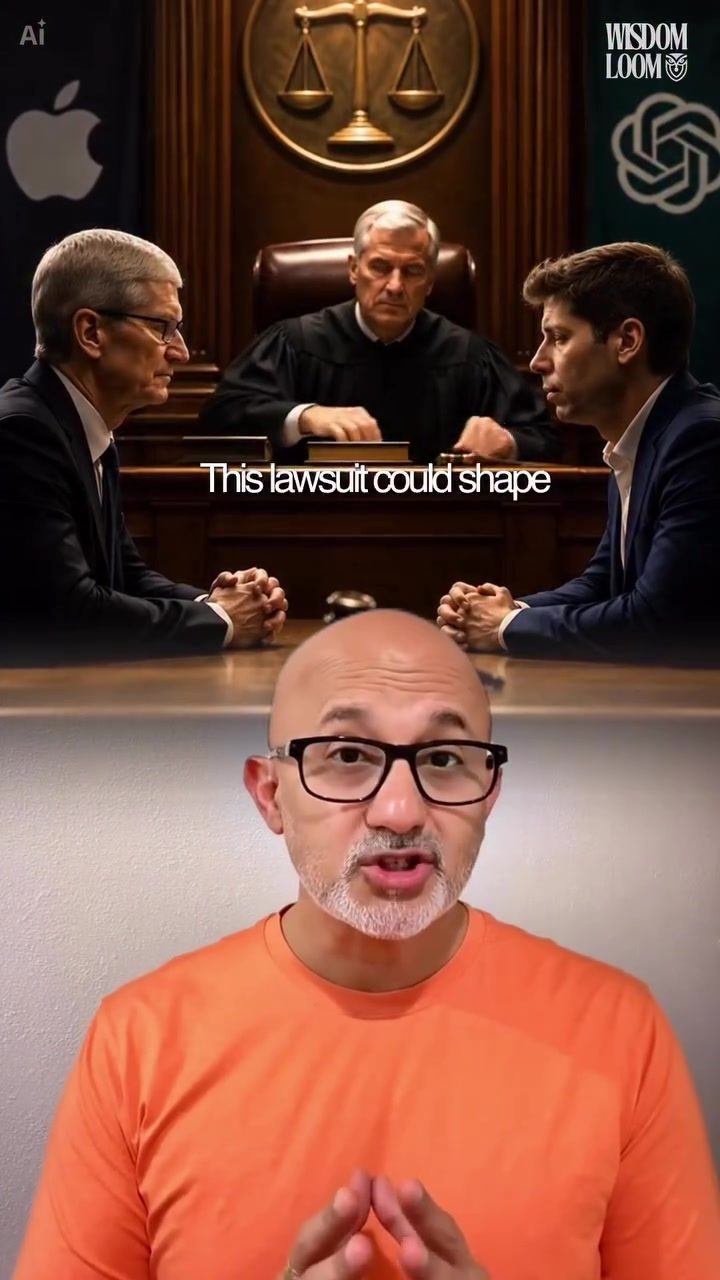
Apple's Suit Against OpenAI: The Future of AI Hardware
Apple's ongoing lawsuit against OpenAI has captured the attention of the tech world. The tech giant has accused the AI pioneer of leveraging confidential information during the recruitment of key Apple executives. This legal battle, involving one of the world’s most iconic tech companies, extends beyond the courtroom into strategic territory. It touches on the future of AI hardware and the evolving competitive landscape.
Why This Matters
The legal dispute between Apple and OpenAI goes beyond the allegations of trade secret misappropriation. The outcome will significantly influence the future of AI hardware, a rapidly growing technology category. Legal discovery processes within this lawsuit could reveal important internal communications, offering a glimpse into the strategies of both giants. Additionally, the lawsuit may influence how companies manage talent recruitment and protect innovation in the AI arms race.
Tang Tan: The Central Figure
The scandal surrounding Apple and OpenAI revolves around Tang Tan, a pivotal figure in Apple’s history. He spent 24 years with the company, serving as the Vice President of Product Design. Tang was instrumental in developing iconic products like the iPhone and Apple Watch. However, Tang Tan has since left Apple and now heads the hardware division at OpenAI, which is preparing to unveil its first AI hardware device. Apple alleges that confidential project information was referenced during the hiring of executives like Tang, raising concerns about potential leaks of valuable trade secrets.
The Strategic Implications
AI Hardware: The Next Big Thing
This lawsuit is about more than a legal dispute; it is also a strategic battle. OpenAI's anticipated entry into the AI hardware market signals a significant shift. Just as smartphones defined the internet era, AI-native devices could dominate the next technological wave. Apple, through its legal case, gains access to crucial insights into OpenAI's operations. The discovery process in the lawsuit could expose Apple to internal communications and documents from OpenAI, providing valuable intel for both companies.
Courtroom as a Battleground
The courtroom has become a unique battleground where the competition between Apple and OpenAI is playing out. The legal process of discovery could reveal the internal workings of both companies, giving each a deeper understanding of the other's strategies and future plans. This heightened visibility could shape how both companies navigate the evolving landscape of AI hardware. The courtroom, in this context, isn't just a place for legal battles but also a strategic arena where future technological directions are being defined.
Understanding and Defending Against AI Hardware
Apple's lawsuit is a proactive step to understand and defend against the future of AI hardware. The company is not only trying to protect its trade secrets but also to anticipate the competitive landscape that AI hardware will introduce. By closely examining OpenAI's operations, Apple aims to stay ahead in the race to dominate the next major technology category. This strategic move underscores the importance of understanding and adapting to the AI-driven future.
Practical Tips
- Monitor Legal Developments: Keep an eye on the legal proceedings and any documents or communications that are made public. The insights from these could be invaluable for understanding the competitive dynamics in the AI hardware market.
- Stay Informed on AI Hardware Trends: As AI hardware becomes a dominant technology, staying informed about the latest developments and innovations in this field will be crucial.
- Protect Trade Secrets: Companies must prioritize safeguarding their proprietary information, especially when dealing with high-profile transitions of key personnel.
- Anticipate Competitive Moves: Follow the strategies and potential future products of key players in the AI hardware market. This will help in staying ahead of the curve and preparing for potential disruptions.
Important Takeaways
- AI Hardware Dominance: AI-native devices are poised to be the cornerstone of the next technological era, much like smartphones have been for the internet era.
- Legal Strategy: The Apple-OpenAI lawsuit is not just a legal battle but a strategic move to gain insights into the future of AI hardware.
- Importance of Trade Secrets: Protecting trade secrets and confidential information is crucial, especially in a rapidly evolving technological landscape.
- Talent Management: The recruitment and transition of key personnel can have significant implications for the future of companies and the industry at large.
Conclusion
The legal tussle between Apple and OpenAI over the recruitment of key executives like Tang Tan is more than a legal battle. It’s a strategic maneuver that will significantly influence the future of AI hardware. The implications of this lawsuit are far-reaching and touch on various aspects of the tech industry, from talent recruitment to the protection of innovation. As the discovery process unfolds, it will offer unprecedented insights into the inner workings of both companies, shaping the competitive landscape for AI hardware. Understanding these dynamics is essential for navigating the complex and rapidly evolving world of technology.
Questions readers ask
What is the core of the lawsuit between Apple and OpenAI?
The lawsuit centers around Apple's accusation that OpenAI used confidential information in its efforts to recruit key Apple executives. This dispute has sparked broader discussions about talent recruitment and the protection of innovative ideas within the AI industry.
How might this legal battle affect the future of AI hardware?
The outcome of this lawsuit could significantly shape the future of AI hardware by influencing how companies develop and protect their technological innovations. The legal proceedings may also reveal valuable insights into the strategies and plans of both companies, affecting the broader AI hardware market.
Why is the recruitment of AI talent so crucial in this context?
The recruitment of key executives and talent is vital because these individuals often possess specialized knowledge and insights that can drive innovation. The legal battle underscores the importance of retaining and attracting top talent in the competitive AI industry, and how companies should navigate these challenges while protecting their strategic interests.
What potential impacts could this lawsuit have on the competitive landscape of the AI industry?
This lawsuit could alter the competitive dynamics by setting precedents for how companies should handle talent recruitment and protect their intellectual property. The court's decision may influence other companies' strategies in the AI hardware sector, making them more cautious or proactive in their approach to talent acquisition and innovation protection.
How might the court's decision influence AI innovation protection measures?
A ruling in favor of Apple could prompt other companies to strengthen their measures for protecting confidential information and trade secrets. Conversely, a decision favoring OpenAI might encourage more aggressive recruitment strategies, leading to a shift in how companies approach talent acquisition and innovation.
Are there any other legal disputes similar to this one in the AI industry?
While this is a high-profile case, legal disputes involving intellectual property, talent recruitment, and innovation protection are not uncommon in the tech industry. Other companies have faced similar challenges, and the outcome of this lawsuit could provide valuable guidance for future cases.
What should companies in the AI industry do to prepare for such legal challenges?
Companies should ensure they have robust measures in place to protect their intellectual property and confidential information. This includes implementing strict data security protocols, clearly outlining employee responsibilities, and regularly reviewing legal strategies to stay ahead of these challenges.
Related deep dives
Similar reads based on topic and creator.




Recent articles
Fresh deep dives from the latest Reels we unpacked.




Comments
Be the first to comment.