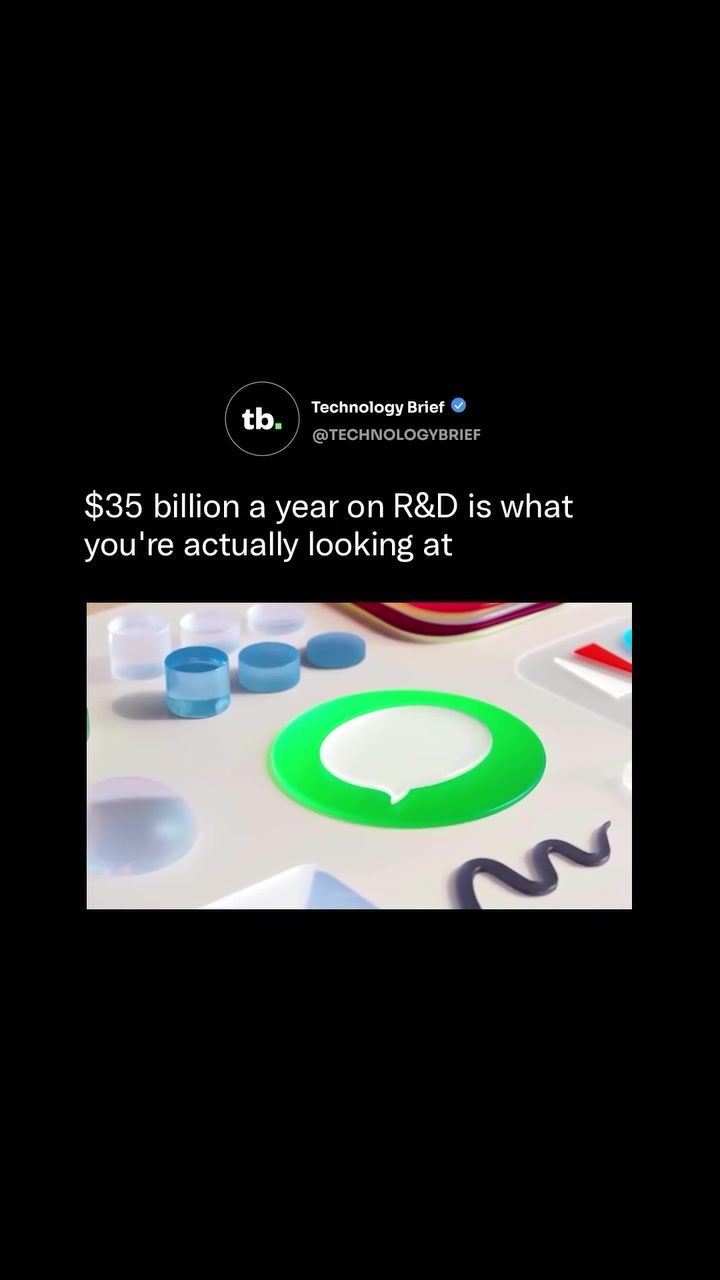
Liquid Glass: The New Design Era for Apple
On June 9, 2025, Apple's Worldwide Developers Conference (WWDC) introduced the world to Liquid Glass, a new design language set to redefine the look and feel of Apple's software. This visual overhaul marks a significant departure from the flat, solid-color aesthetic that has dominated Apple's design since iOS 7 in 2013. Liquid Glass brings a new level of depth and realism to the user interface, with translucent, frosted surfaces that bend and refract light in real time. This design philosophy extends across iOS 26, iPadOS 26, macOS Tahoe, watchOS 26, and tvOS 26.
Why This Matters
Apple's design decisions have always been at the forefront of technology trends. With $35 billion annually allocated to research and development, Apple is committed to pushing the boundaries of user experience. Liquid Glass is more than just a visual upgrade; it’s a strategic move to maintain Apple's position as a leader in software design. The shift from flat 2D design to a more dynamic, layered interface signals a new era in how users interact with their devices.
Main Discussion
The Evolution of Apple's Design Language
Since iOS 7, Apple's design has been characterized by its flat, solid-color aesthetic. This minimalist approach prioritized simplicity and usability. However, with the introduction of Liquid Glass, Apple is moving away from this flat design toward a more immersive, three-dimensional look. This shift not only provides a fresh visual experience but also adds a layer of sophistication that aligns with the latest advancements in display technology.
Key Features of Liquid Glass
The new design language incorporates several key features:
- Translucent and Frosted Surfaces: These surfaces mimic the way glass distorts light, creating a dynamic and visually engaging interface.
- Depth and Layers: By allowing elements to float above content and shift their appearance based on what’s underneath them, Liquid Glass creates a sense of depth that makes interactions feel more natural.
- Uniform Application: This design philosophy is uniformly applied across all major Apple operating systems, ensuring a consistent user experience.
The Design Language in Action
To understand the full impact of Liquid Glass, consider how it transforms individual elements within the user interface:
- Buttons, Sliders, and Toggles: These controls are now more interactive and responsive, changing their appearance based on the underlying content.
- App Icons: Icons take on a more three-dimensional look, with textures and lighting effects that make them stand out.
- Backgrounds: The use of translucent and frosted surfaces creates a visual hierarchy, guiding the user's focus to key elements.
The Impact on Usability
While Liquid Glass introduces a new level of visual sophistication, it also raises important usability concerns. Some designers have noted that text readability can be challenging against the transparent backgrounds. Apple has acknowledged these issues and has already made adjustments to improve readability based on early developer beta feedback. This iterative approach is crucial for ensuring that the new design not only looks good but also functions well.
Practical Tips
For developers and designers adapting to Liquid Glass, consider the following tips:
- Focus on Readability: Ensure that text remains legible against the new backgrounds. Use contrast appropriately and test different color combinations.
- Consistent Design Language: Maintain consistency across different platforms. Users expect a uniform experience, and attention to detail will enhance their overall satisfaction.
- Utilize Depth: Experiment with the layering effects to create a more immersive experience. Floating elements and dynamic interactions can make your app stand out.
- User Feedback: Continuously gather and incorporate user feedback. The transition period is an opportunity to refine the design and address any usability issues.
Important Takeaways
- Visual Sophistication: Liquid Glass brings a new level of visual depth and realism to Apple's software.
- Consistency: The design language is applied uniformly across all major operating systems, ensuring a seamless user experience.
- Usability Considerations: While visually appealing, the new design must address usability concerns, particularly regarding text readability.
- Investment in Innovation: Apple's significant investment in R&D underscores its commitment to innovation and leadership in design.
Conclusion
With Liquid Glass, Apple is ushering in a new era of design that prioritizes both aesthetics and functionality. This bold move reflects the company's dedication to innovation and its commitment to delivering a sophisticated and intuitive user experience. As developers and designers adapt to this new design language, the focus on usability and iterative improvement will be crucial. The future of Apple's software is here, and it’s more dynamic and engaging than ever before.
Questions readers ask
What is Apple's Liquid Glass and how does it change the user interface?
Liquid Glass is Apple's new visual language that introduces a more dynamic and realistic user interface. It replaces flat, solid-color designs with translucent, frosted surfaces that create a sense of depth and realism, mimicking the way light bends and refracts through glass.
Which Apple operating systems will feature the new Liquid Glass design?
The Liquid Glass design will be integrated into iOS 26, iPadOS 26, macOS Tahoe, watchOS 26, and tvOS 26, ensuring a consistent and updated user experience across all Apple devices.
Why is Apple investing in this new design language?
Apple's $35 billion annual investment in research and development highlights the company's commitment to innovation. By introducing Liquid Glass, Apple aims to maintain its leadership in user experience and stay ahead of design trends.
How does Liquid Glass differ from previous Apple design aesthetics?
Liquid Glass represents a significant shift from the flat, solid-color design that has been prevalent since iOS 7. The new design brings depth and realism to the user interface, offering a more immersive and interactive experience.
What inspired Apple to move towards a frosted glass UI design?
Apple's design team sought to create a more dynamic and engaging user interface. The frosted glass design adds a layer of sophistication and realism, making the UI more visually appealing and interactive, with real-time light refraction effects.
When was the Liquid Glass design first unveiled to the public?
Liquid Glass was first introduced to the public during Apple's Worldwide Developers Conference (WWDC) on June 9, 2025, marking the beginning of a new era in Apple's software design.
Related deep dives
Similar reads based on topic and creator.




Recent articles
Fresh deep dives from the latest Reels we unpacked.




Comments
Be the first to comment.