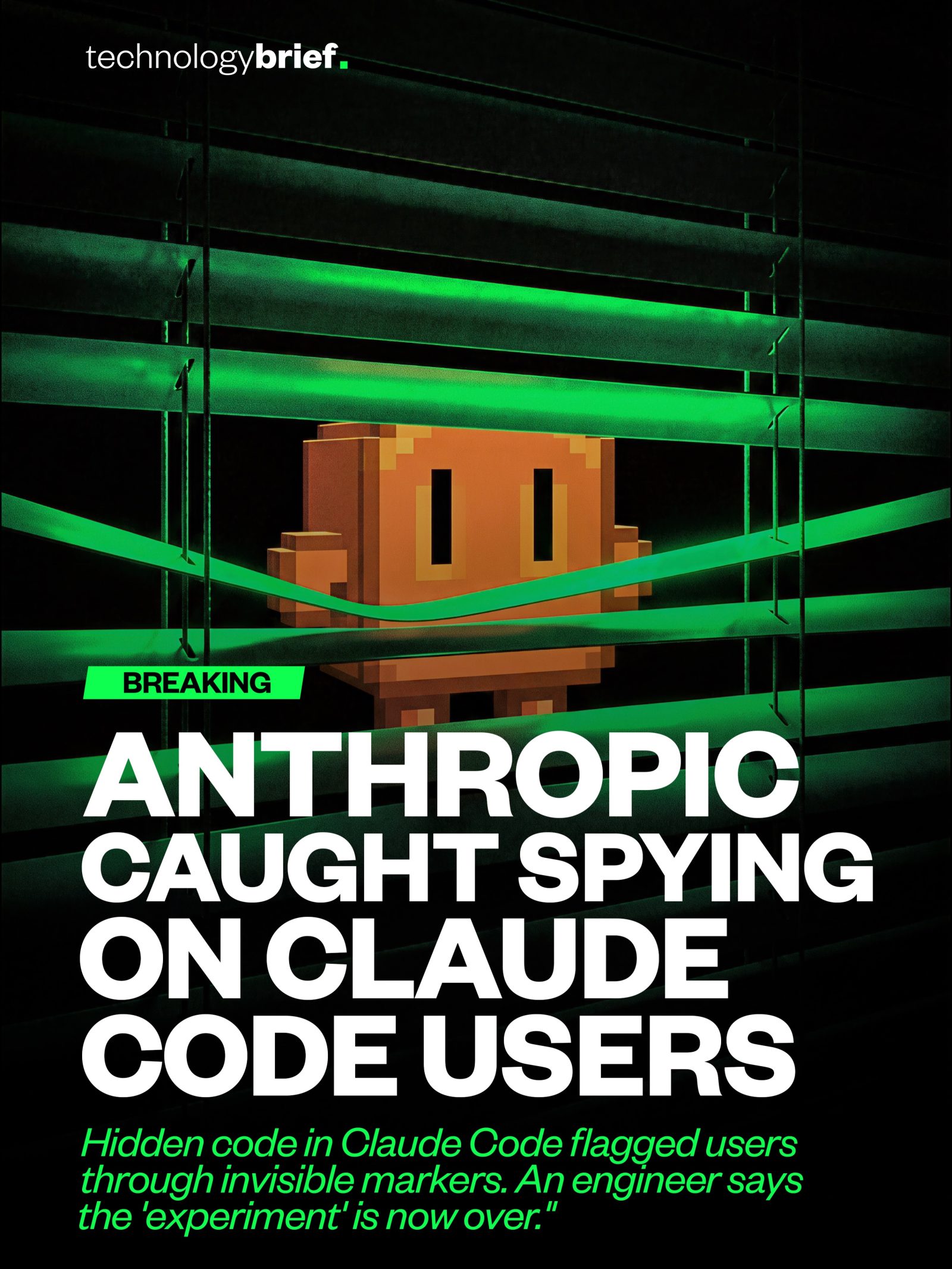
AI and Data Privacy Concerns Surrounding Claude Code
Claude Code is an AI assistant designed to be a staple in the terminal of developers. Its functionality is intended to enhance everyday tasks in the terminal. However, recent allegations have thrown a spotlight on the tool and its parent company, Anthropic. The issue revolves around claims that Anthropic employed hidden signals within Claude Code to identify users linked to China who were using proxy servers.
Why This Matters
Data privacy is an ever-present concern in the digital age, especially when it comes to AI tools. Developers and users alike rely on these tools to streamline their workflows and enhance productivity. Understanding the intricacies of how these tools operate, and any potential privacy breaches, is paramount. This situation underscores the delicate balance between utilizing advanced AI for efficiency and safeguarding user data, particularly as these technologies become more integrated into our daily workflows.
Main Discussion
Hidden Signals in Code
The allegations surrounding Claude Code involve the use of hidden signals to identify specific users. According to the report, these signals were embedded in minute details that are nearly imperceptible to the average user. Tiny changes in date formatting and subtle differences in Unicode characters were used to create unique identifiers. These identifiers could then be used to track proxy routes, time zones, and domains linked to Chinese AI efforts.
Privacy Concerns
The implications of these hidden signals are profound. While Anthropic may argue that AI companies face significant pressure to prevent unauthorized scraping, resale, and model distillation, the manner in which this was reportedly executed raises serious concerns. The use of hidden signals to track users quietly and covertly undermines the trust that users place in these tools. This is particularly problematic given that coding agents are no longer simple chatbots; they operate within the terminal, interact with codebases, and have access to sensitive information.
Trust and Security
The incident highlights the evolving role of trust in the context of AI tools. These tools are increasingly integrated into development workflows, reading environments, and interacting with codebases. This integration means that trust is not merely a marketing promise but a critical security boundary. The quiet and covert nature of the experiment further erodes this trust, emphasizing the need for transparency and ethical considerations in the deployment of AI technologies.
The Experiment's End
An engineer has reportedly stated that the experiment is now over. This statement indicates a recognition of the ethical and legal ramifications of the actions taken. Whether this marks a turning point in the handling of user data by Anthropic remains to be seen, but it is a clear acknowledgment of the issues at hand.
Practical Tips
Transparency and User Awareness
For users of AI tools, it is crucial to be aware of the data privacy policies and practices of the tools they use. Ensuring transparency and clear communication about how data is collected, stored, and used is essential for maintaining user trust.
Review Privacy Policies
Regularly reviewing and updating privacy policies is a critical step for companies developing and deploying AI tools. This not only helps in maintaining user trust but also ensures compliance with legal standards and regulations.
User Control Over Data
Providing users with control over their data, including the ability to opt out of data collection and tracking, can help build trust. This control empowers users to make informed decisions about their data and how it is used.
Takeaway
The situation involving Claude Code and Anthropic serves as a stark reminder of the importance of data privacy and transparency in the development and deployment of AI tools. As these tools become more integrated into our daily workflows, the need for ethical considerations and user trust becomes even more critical. The quiet and covert nature of the experiment in question underscores the delicate balance between efficiency and user rights.
Conclusion
The allegations surrounding Claude Code highlight the complex interplay between AI functionality, data privacy, and user trust. As we continue to rely on AI tools to enhance our workflows, it is essential to remain vigilant about data privacy and transparency. Companies must prioritize ethical considerations and user trust, ensuring that the development of these tools is done with the utmost care and respect for user rights.
Questions readers ask
What specific actions has Anthropic been accused of regarding Claude Code users?
Anthropic has been accused of embedding hidden signals within Claude Code to monitor and identify users, particularly those from China. The detection is said to be achieved by tracking users through proxy servers.
Why are developers concerned about these allegations?
Developers rely on tools like Claude Code to improve productivity. The allegations suggest that their usage data could be tracked without their consent, leading to significant privacy issues.
What are 'hidden signals' in the context of AI tracking?
Hidden signals refer to secret markers or indicators embedded within the code of an AI tool. These signals can be used to identify and monitor users without their knowledge.
How does this issue specifically affect users in China?
Chinese users, especially those using proxy servers, have been identified as a group of concern. Anthropic is alleged to have used these tracking signals to identify and monitor users in China.
What are the implications of these tracking practices for AI developers?
Developers may face ethical and legal repercussions. If the allegations are true, Anthropic has violated user privacy. Developers will need to take a closer look at the tools they use and ensure they are not inadvertently violating their users' privacy.
What steps can developers take to protect their data when using AI tools?
Developers should review the privacy policies of any AI tools they use, and consider using tools that offer clear transparency on data usage. Additionally, developers should be cautious when using tools from companies involved in these types of controversies.
Related deep dives
Similar reads based on topic and creator.




Recent articles
Fresh deep dives from the latest Reels we unpacked.




Comments
Be the first to comment.