Antarctic Ice Core Drilling
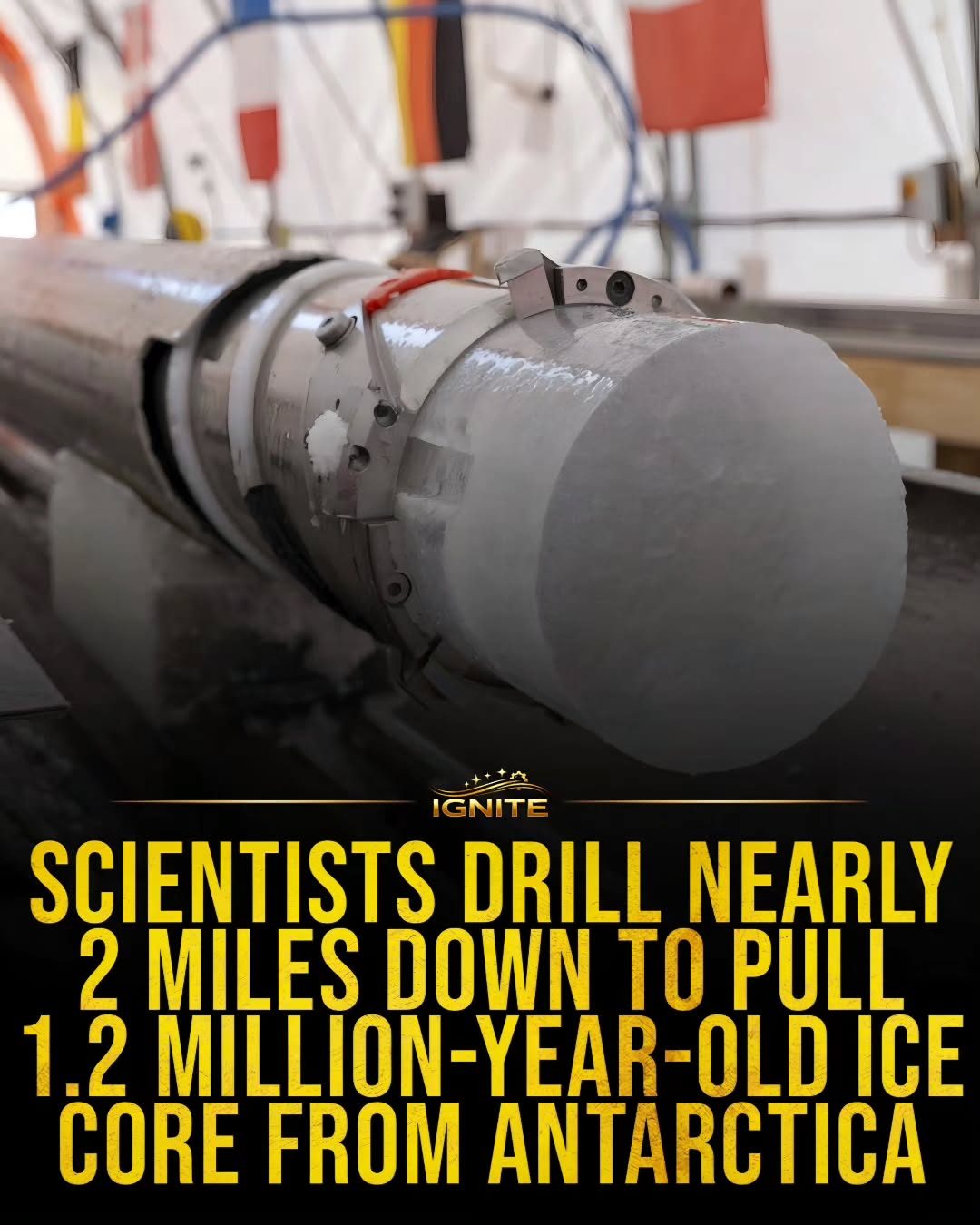
Antarctica's ice holds a treasure trove of Earth's climatic past, and scientists are using advanced drilling equipment to unlock these secrets. The IGNITE drilling machine, showcased in the video, is a sophisticated tool designed to extract ice cores from nearly 2 miles deep. These cores provide a unique window into the Earth's climate history, offering insights spanning over 1.2 million years.
Why This Matters
Understanding past climates is crucial for predicting future trends. Ice cores contain trapped air bubbles and particulate matter that serve as direct indicators of atmospheric conditions and temperature changes. By studying these cores, scientists can reconstruct climate patterns, identify cycles, and better understand the drivers behind climate change.
The Science Behind Ice Core Drilling
The Drilling Process
Drilling in Antarctica involves more than just piercing the ice. The process requires meticulous planning and specialized equipment. The IGNITE drilling machine, for instance, is designed to handle the extreme conditions of the Antarctic environment. It operates at very low temperatures and must maintain a stable drilling path through the ice.
The drilling process begins with the setup of the equipment. Scientists carefully position the drill over the target site, ensuring that the borehole is vertical and stable. The drill then penetrates the ice using a combination of mechanical force and heat. As the drill advances, it cuts through the ice, creating cylindrical ice cores that are then extracted and transported to the surface.
Analyzing Ice Cores
Once the ice cores are retrieved, they are transported to laboratories for detailed analysis. Scientists examine the chemical composition, isotopic signatures, and physical properties of the ice. These analyses reveal crucial information about past climate conditions, including temperature, precipitation, and atmospheric composition.
Key Discoveries
The study of Antarctic ice cores has led to several groundbreaking discoveries. For example, researchers have identified periods of rapid climate change, such as the abrupt warming events known as Dansgaard-Oeschger cycles. These events provide valuable insights into the mechanisms driving climate variability and can help inform current climate models.
The Role of IGNITE Drilling Equipment
The success of these scientific endeavors relies heavily on the reliability and precision of the drilling equipment. IGNITE, a leading manufacturer in this field, has developed drilling machines specifically engineered for Antarctica's harsh conditions. These machines are equipped with advanced sensors and control systems that ensure accurate drilling and data collection.
Practical Tips for Ice Core Drilling
Choosing the Right Equipment
Selecting the right drilling equipment is crucial for successful ice core retrieval. Factors to consider include the drill’s power, stability, and adaptability to varying ice conditions. High-quality drills, like those produced by IGNITE, offer state-of-the-art features such as automated drilling paths, real-time data monitoring, and durable construction materials.
Planning the Drilling Operation
Effective planning is essential for a successful drilling operation. This includes selecting the ideal drilling site, assessing the depth and structure of the ice, and ensuring that all necessary supplies and equipment are on hand. Collaboration with experienced teams and experts is also vital to navigate the logistical challenges of working in Antarctica.
Ensuring Data Integrity
Maintaining the integrity of the extracted ice cores is paramount. Proper handling and storage techniques are necessary to prevent contamination and preserve the samples' original properties. Scientists must adhere to strict protocols for transporting and analyzing the cores to ensure accurate and reliable data.
Important Takeaways
The Significance of Deep Ice Core Drilling
The ability to drill nearly 2 miles into the Antarctic ice and retrieve 1.2 million-year-old cores is a testament to the advances in drilling technology and scientific research. This capability allows us to peer deeper into Earth's climatic history, providing a more comprehensive understanding of past climate dynamics.
The Future of Climate Research
Continuing efforts to extract and analyze ice cores from Antarctica will be pivotal in refining our understanding of climate change. As technology advances, so too will our ability to gather and interpret data, leading to more accurate predictions and better-informed climate policies.
Collaborative Efforts
Scientific research in Antarctica is a global endeavor, involving contributions from researchers and institutions worldwide. Collaboration and knowledge sharing are key to leveraging the full potential of ice core drilling and addressing the complex challenges of climate change.
Conclusion
Antarctic ice core drilling represents a pivotal frontier in climate research. With advanced equipment like that produced by IGNITE, scientists are pushing the boundaries of what we know about Earth's past climate. By continuing to refine these techniques and analyze the valuable data they yield, we can better prepare for the future and mitigate the impacts of climate change.
Questions readers ask
How do scientists extract ice cores from Antarctica?
Scientists use advanced drilling equipment, such as the IGNITE drilling machine, to extract ice cores from depths of nearly 2 miles. This process involves careful drilling to collect long cylindrical samples of ice that hold historical climate data.
What information can be gathered from deep ice cores in Antarctica?
Deep ice cores contain trapped air bubbles and particulate matter, which act as direct indicators of past atmospheric conditions and temperature changes. By analyzing these cores, scientists can reconstruct historical weather patterns and climate cycles, offering a unique perspective into the Earth's climate history.
Why are ice cores from Antarctica important for understanding climate trends?
Ice cores from Antarctica offer a detailed 1.2-million-year climate record, providing invaluable insights into past climate patterns, extreme weather events, and glacial periods. This data is crucial for predicting future climate trends and understanding the drivers behind climatic changes.
What are some of the advanced drilling techniques used in Antarctica?
Advanced drilling techniques in Antarctica involve the use of specialized machinery like the IGNITE drilling machine, which is designed to extract ice cores from great depths with precision. These techniques ensure that the ice cores remain intact and their historical climate data is preserved.
How do scientists analyze the data from ice cores to predict future weather patterns?
Scientists analyze the data from ice cores by examining the composition of trapped air bubbles and particulate matter. This analysis helps reconstruct past weather patterns and climate cycles, which are then used to develop climate prediction models. These models aim to forecast future weather trends and understand the potential impacts of climate change.
Related deep dives
Similar reads based on topic and creator.



Recent articles
Fresh deep dives from the latest Reels we unpacked.




Comments
Be the first to comment.