Portable RFID Cloners: The Ultimate Guide
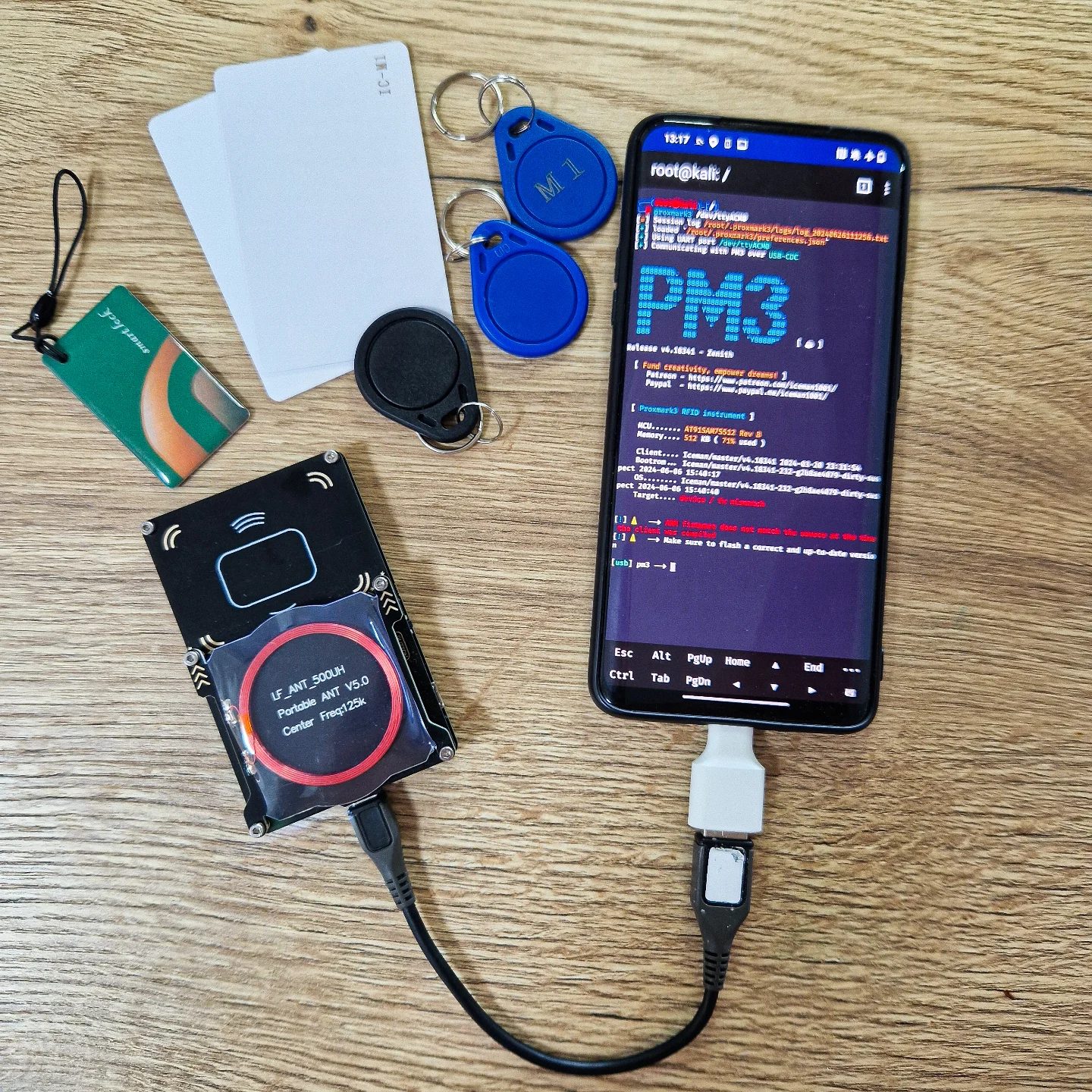
Portable RFID cloners, such as the ANT 500H, are powerful tools that allow users to clone and emulate RFID tokens. These devices are particularly useful for security professionals, penetration testers, and anyone interested in understanding and testing the security of RFID systems. The ANT 500H, for instance, is a handheld device that boasts the capabilities of the Proxmark3 software, making it a versatile tool for a range of RFID and NFC tasks.
Why Portable RFID Cloners Matter
RFID (Radio Frequency Identification) and NFC (Near Field Communication) technologies are ubiquitous in modern society. They are used in everything from access control systems and payment terminals to inventory management and asset tracking. Portable RFID cloners play a crucial role in assessing the security of these systems. By mimicking legitimate RFID tokens, these devices can help identify vulnerabilities and ensure that security measures are effective.
Understanding Portable RFID Cloners
The ANT 500H: A Closer Look
The ANT 500H is a portable device designed to clone and emulate RFID tokens, making it a valuable tool for security testing. The device is part of the ANT V5.0 series, which is known for its high performance and versatility. Here are some key features and capabilities of the ANT 500H:
- Compact Design: The ANT 500H is small and lightweight, making it easy to carry around. This portability is essential for on-the-go testing and fieldwork.
- Proxmark3 Compatibility: The device is compatible with the Proxmark3 software, allowing users to perform a wide range of RFID and NFC tasks.
- Advanced Cloning Capabilities: The ANT 500H can clone and emulate various types of RFID and NFC tokens, making it a versatile tool for testing different systems.
- User-Friendly Interface: The device features a screen that displays technical information and a terminal-like interface, making it easy to use even for those new to RFID cloning.
How RFID Cloning Works
RFID cloning involves duplicating the data stored on an RFID token, such as a key fob or card, and then using that data to create a new, identical token. This process can be broken down into several steps:
- Data Extraction: The first step is to extract the data from the original RFID token. This is typically done using a compatible RFID reader or cloning device.
- Data Analysis: Once the data is extracted, it needs to be analyzed to understand its structure and format. This step is crucial for ensuring that the cloned token will function correctly.
- Data Writing: The analyzed data is then written to a blank RFID token. This step requires a compatible RFID writer or cloning device.
- Verification: Finally, the cloned token is tested to ensure that it functions correctly and can emulate the original token.
Practical Tips for Using a Portable RFID Cloner
Choosing the Right Device
When selecting a portable RFID cloner, there are several factors to consider:
- Compatibility: Ensure that the device is compatible with the types of RFID and NFC tokens you need to clone and emulate. The ANT 500H, for example, is compatible with a wide range of tokens, making it a versatile choice.
- Ease of Use: A user-friendly interface and clear instructions can make a big difference in how quickly and effectively you can use the device.
- Performance: Look for a device that offers high performance and reliability, as this will be crucial for accurate and consistent results.
Setting Up Your Environment
Before you start using your portable RFID cloner, it's important to set up your environment properly:
- Software Installation: Ensure that you have the necessary software installed on your device. For example, the ANT 500H requires Proxmark3 software, which can be installed on an Android device or a compatible Linux distribution.
- Testing Area: Choose a secure and controlled area for testing. This will help ensure that your tests are accurate and that you don't inadvertently clone or emulate the wrong tokens.
Conducting Tests
When conducting tests with a portable RFID cloner, follow these best practices:
- Document Everything: Keep detailed records of your tests, including the types of tokens you are cloning, the results of your tests, and any issues you encounter.
- Verify Results: Always verify the results of your tests to ensure that the cloned tokens are functioning correctly.
- Safety First: Be mindful of the legal and ethical implications of using a portable RFID cloner. Only conduct tests in environments where you have explicit permission to do so.
Important Takeaways
Portable RFID cloners, such as the ANT 500H, are valuable tools for security professionals and anyone interested in understanding and testing RFID systems. These devices allow users to clone and emulate RFID tokens, helping to identify vulnerabilities and ensure the security of various systems. When using a portable RFID cloner, it's important to choose the right device, set up your environment properly, and follow best practices for conducting tests.
Conclusion
Portable RFID cloners offer a powerful way to test and understand the security of RFID and NFC systems. The ANT 500H, with its advanced capabilities and user-friendly design, is a standout choice for anyone looking to delve into this field. Whether you're a security professional, a penetration tester, or simply curious about RFID technology, a portable RFID cloner can be an invaluable tool.
Questions readers ask
What is the ANT 500H RFID Cloner and who is it designed for?
The ANT 500H RFID Cloner is a portable device designed for security professionals and penetration testers. It is a handheld tool that allows users to clone and emulate RFID tokens, helping to identify and address vulnerabilities in RFID and NFC systems.
How does the ANT 500H compare to the Proxmark3 software?
The ANT 500H is a hardware device that incorporates the capabilities of the Proxmark3 software. This means it offers a range of RFID and NFC tasks, but in a more compact and portable form, making it convenient for on-site testing and assessments.
Can the ANT 500H be used for both RFID and NFC testing?
Yes, the ANT 500H is designed to handle both RFID and NFC technologies. It allows users to clone and emulate tokens, which is essential for assessing the security of various systems, including access control and payment terminals.
What kind of security assessments can be performed with the ANT 500H?
The ANT 500H enables a wide range of security assessments, including penetration testing and vulnerability identification. By cloning and emulating RFID tokens, users can test the robustness of security measures in place and identify potential weak points.
Is the ANT 500H suitable for mobile and on-site testing?
Absolutely, the ANT 500H is designed with portability in mind. Its compact size makes it ideal for mobile and on-site testing, allowing security professionals to perform assessments directly at the location of the RFID or NFC systems under scrutiny.
Can I find video tutorials for the ANT 500H?
Yes, there are several video tutorials available that demonstrate the use and capabilities of the ANT 500H. These tutorials can provide practical insights and step-by-step guides on how to effectively use the device for RFID and NFC security testing.
Related deep dives
Similar reads based on topic and creator.




Recent articles
Fresh deep dives from the latest Reels we unpacked.




Comments
Be the first to comment.