Rainforest Biodiversity
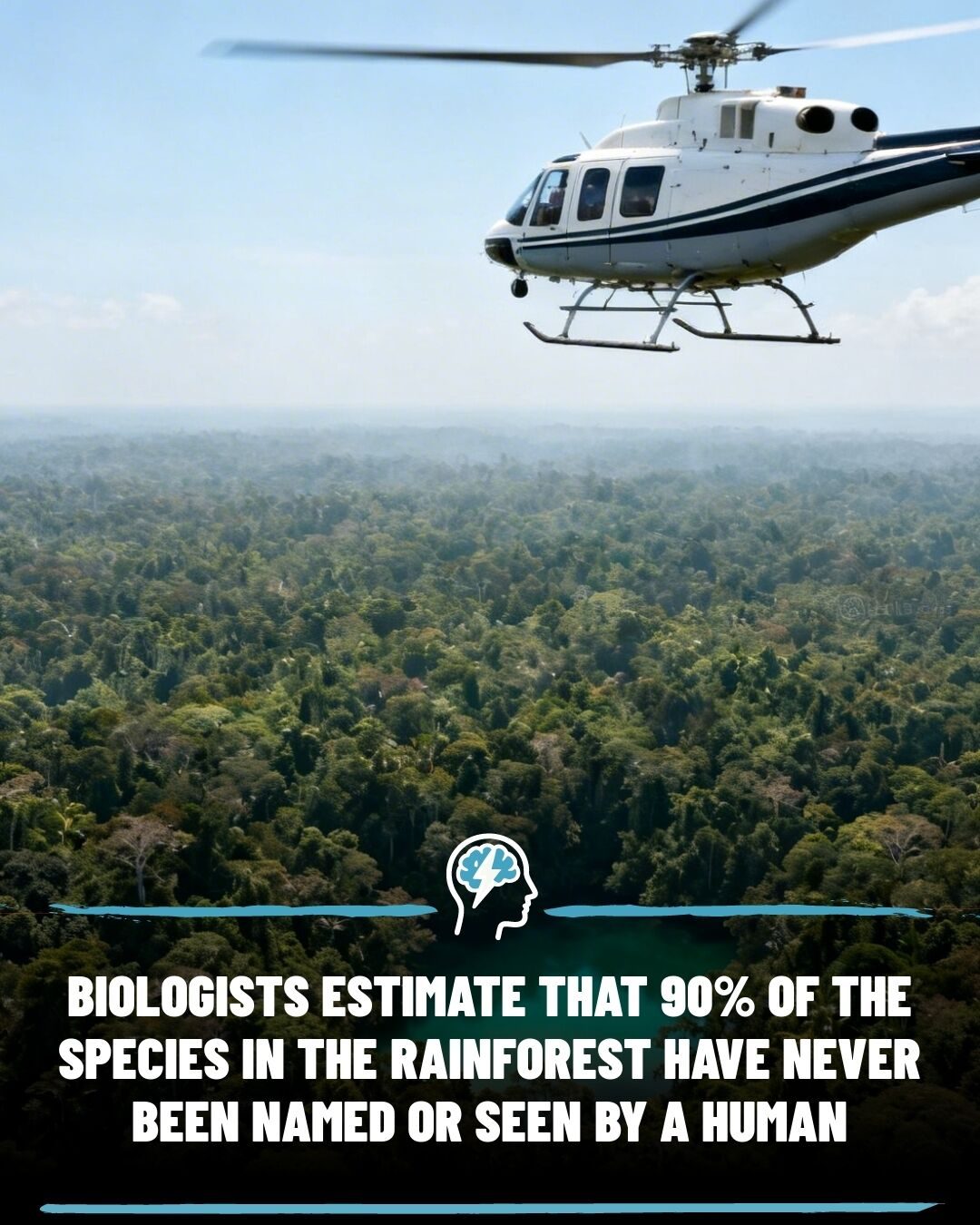
The Amazon rainforest is a vast, complex ecosystem that harbors an estimated 10% of all species on Earth. Despite its immense biodiversity, a significant portion of this life remains unknown to science. Biologists estimate that 90% of the species in the rainforest have never been named or seen by a human. This staggering figure underscores the vastness of our ignorance about the natural world.
Why This Matters
Undocumented species are not just a curiosity; they represent a critical gap in our understanding of ecosystems. This knowledge gap has profound implications for conservation efforts, as well as for potential scientific and medical discoveries. The rainforest's biodiversity is not just about the charismatic megafauna like jaguars and macaws; it includes countless smaller organisms like insects, fungi, and microorganisms that play crucial roles in ecosystem functioning.
The Complexity of Tropical Ecosystems
The Challenge of Documentation
Tropical ecosystems are extraordinarily complex. The sheer number of species, combined with the challenges of accessing remote areas and the specialized expertise needed for identification, means that scientific documentation lags behind what actually exists. This complexity is compounded by the fact that many tropical species are small, cryptic, or have life cycles that make them difficult to study.
The Role of Indigenous Knowledge
It's important to recognize that "undiscovered by science" does not always mean "unknown." Indigenous communities have lived alongside these ecosystems for generations and hold valuable knowledge about species and ecological relationships. Western science is only beginning to acknowledge and integrate this traditional knowledge, which can provide insights that are otherwise inaccessible to researchers.
The Threat of Deforestation
Every day, deforestation threatens these ecosystems. Species may disappear before scientists ever document them. This race against time amplifies the urgency of conservation efforts. Protecting these forests means safeguarding not just known species but also those we have yet to identify and understand.
The Importance of Conservation and Collaboration
Protecting Ecosystems
Every forest fragment protected is a library of life that we're still learning to read. Conservation efforts are crucial not only for preserving known species but also for protecting the undocumented ones. These ecosystems hold far more complexity than we've catalogued, and protecting them means safeguarding species we haven't even named yet.
Collaboration with Indigenous Communities
Collaboration with Indigenous knowledge holders is essential. Their deep understanding of local ecosystems can guide conservation efforts and provide insights that Western science cannot offer alone. This collaboration is not just about data collection; it's about recognizing and respecting the knowledge systems of Indigenous communities.
Practical Tips for Conservation
Support Indigenous-led Initiatives
One of the most effective ways to support rainforest conservation is by backing Indigenous-led initiatives. These communities are often the best stewards of their local ecosystems and can lead efforts to protect and preserve biodiversity.
Advocate for Sustainable Practices
Advocating for sustainable practices in industries that impact the rainforest, such as logging and agriculture, can help reduce deforestation. This includes promoting sustainable forestry practices and supporting initiatives that protect forest ecosystems.
Promote Research and Documentation
Supporting research and documentation efforts in tropical ecosystems is crucial. This can include funding scientific expeditions, promoting citizen science projects, and advocating for policies that protect and preserve these ecosystems.
Important Takeaways
The Amazon rainforest remains one of the most biodiverse places on Earth, but a substantial portion of its life is still unknown to science. This knowledge gap underscores the importance of conservation efforts and the need for collaboration with Indigenous communities. Protecting these ecosystems means safeguarding species we haven't even named yet, and recognizing the complexity and richness of life in tropical rainforests.
Conclusion
The mystery of the Amazon rainforest's biodiversity highlights the vastness of our ignorance about the natural world. While the exact percentage of undocumented species is still being studied, the knowledge gap is a stark reminder of the importance of protecting these ecosystems. Collaboration with Indigenous communities and continued research are essential for understanding and preserving the rich biodiversity of the Amazon rainforest. Every forest fragment protected is a step toward preserving the incredible diversity of life that the rainforest holds.
Questions readers ask
Why haven't more species in the Amazon rainforest been discovered and documented?
The Amazon rainforest's immense size, dense vegetation, and remote locations make exploration and documentation challenging. Additionally, the rapid pace of deforestation can destroy habitats before species are identified, further complicating efforts to catalogue the region's biodiversity.
What are some potential benefits of discovering new Amazon rainforest species?
Discovering new species can lead to advancements in various fields. Scientists may find new medicines, as many current pharmaceuticals are derived from natural compounds. Additionally, understanding these species can help in developing better conservation strategies and provide insights into ecosystem functioning.
How does the discovery of new Amazon rainforest species aid in conservation efforts?
Documenting new species helps identify critical habitats and understand the ecological roles of these species. This information can guide conservation strategies, such as protecting specific areas from deforestation, which is crucial for maintaining the overall health of tropical ecosystems.
What challenges do scientists face when trying to document undiscovered species in the Amazon?
Scientists encounter numerous obstacles, including the vast and often inaccessible terrain of the Amazon, limited funding for research, and the urgent threat of deforestation. These factors combine to make the task of documenting the Amazon's unseen life exceedingly difficult.
Why is it important to document rainforest species before they potentially go extinct?
Documenting species before they disappear is crucial for both scientific knowledge and potential applications. Undiscovered species may hold keys to new medical treatments, biological insights, and ecological understanding. Losing these species without documentation means losing potential benefits and a piece of our natural heritage.
What role do undiscovered species play in maintaining the health of tropical ecosystems?
Undiscovered species contribute to the overall balance and resilience of tropical ecosystems. Each species, no matter how small or seemingly insignificant, plays a role in nutrient cycling, pollination, and maintaining biodiversity, which in turn supports the health of the entire ecosystem.
How can individuals support efforts to document the Amazon’s unseen life?
Individuals can support by raising awareness about the importance of rainforest conservation. Additionally, contributing to organizations focused on rainforest preservation, participating in citizen science projects, and advocating for policies that protect tropical ecosystems can all make a significant difference.
Related deep dives
Similar reads based on topic and creator.




Recent articles
Fresh deep dives from the latest Reels we unpacked.




Comments
Be the first to comment.