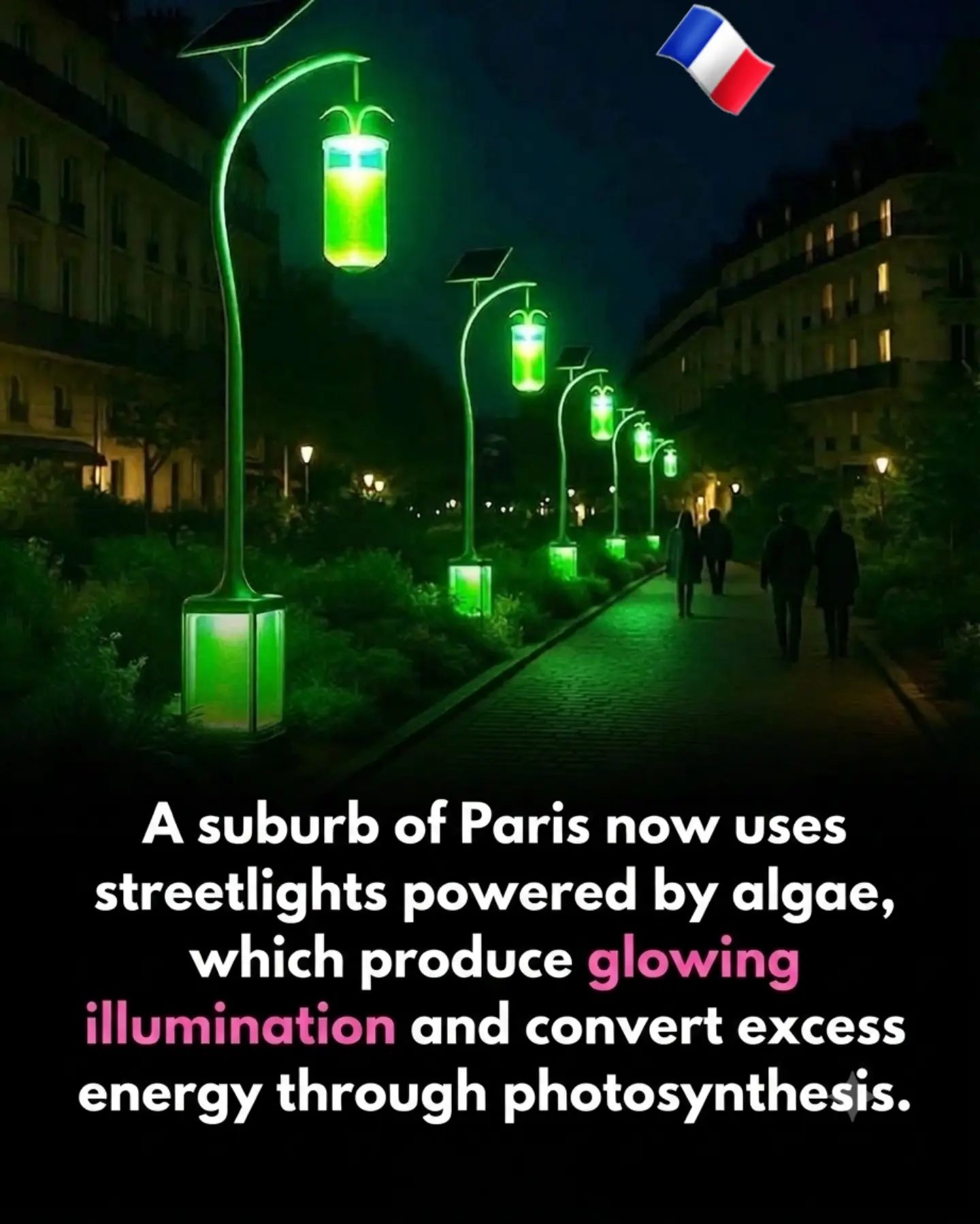
Algae-Powered Streetlights
In the heart of a suburban Paris neighborhood, an innovative concept has taken root: streetlights powered by algae. These streetlights not only provide glowing illumination but also convert excess energy through photosynthesis, marking a significant step forward in sustainable urban lighting solutions.
Context / Why this matters
The integration of algae-powered streetlights in urban environments is more than just a futuristic concept; it represents a shift towards renewable energy and sustainable urban development. As cities around the world grapple with the challenges of energy consumption and environmental impact, innovative solutions like these offer a glimpse into a greener future.
Main discussion
The Science Behind Algae-Powered Lighting
Algae-powered streetlights leverage the natural processes of photosynthesis to generate energy. Photosynthesis is the process by which plants, algae, and some bacteria convert light energy, typically from the sun, into chemical energy stored in glucose. In the context of streetlights, microalgae are used in photobioreactors to absorb carbon dioxide and produce energy.
The microalgae in these photobioreactors absorb sunlight and carbon dioxide, converting them into energy that powers high-efficiency LEDs. This process not only reduces the carbon footprint of urban lighting but also improves air quality by absorbing carbon dioxide.
The Role of Microalgae
Microalgae are single-celled organisms that can be cultivated in large quantities. They are highly efficient at converting sunlight into energy and can thrive in various environments, making them an ideal choice for urban applications. Unlike other biofuels, microalgae do not compete with food crops for land or resources, making them a sustainable and scalable solution.
The Concept of Bioluminescent Lighting
While the concept of algae-powered streetlights has gained traction, it's important to distinguish between bioluminescent and photosynthetic lighting. Bioluminescent organisms, such as dinoflagellates, emit a soft, natural glow when agitated. However, the light output from these organisms is typically too low for standard municipal street safety. This is where microalgae photobioreactors come into play, harnessing the power of photosynthesis to generate sufficient energy for urban lighting.
Practical tips
Implementing Algae-Powered Streetlights
For cities looking to implement algae-powered streetlights, the first step is to conduct a feasibility study. This involves assessing the local climate, sunlight exposure, and existing infrastructure to determine the best locations for installation. Collaboration with local governments, environmental organizations, and tech companies can also provide valuable resources and expertise.
Community Engagement
Engaging the local community is crucial for the success of any sustainable initiative. Holding public forums, workshops, and educational sessions can help raise awareness about the benefits of algae-powered streetlights and address any concerns or misconceptions. Community involvement also ensures that the implementation process is transparent and inclusive.
Monitoring and Maintenance
Regular monitoring and maintenance are essential to ensure the optimal performance of algae-powered streetlights. This includes checking the photobioreactors for algae growth, cleaning the LEDs, and ensuring that the energy conversion process is functioning efficiently. Partnering with local tech companies or environmental organizations can provide the necessary expertise and resources for maintenance.
Important takeaways
Algae-powered streetlights represent a significant advancement in sustainable urban lighting solutions. By harnessing the power of microalgae and photosynthesis, these streetlights offer a renewable and eco-friendly alternative to traditional lighting systems. However, it's important to understand the distinction between bioluminescent and photosynthetic lighting and to consider the specific needs and challenges of each urban environment.
Conclusion
As urban populations grow and energy demands increase, sustainable solutions like algae-powered streetlights become more critical. By embracing this innovative technology, cities can take a significant step towards reducing their carbon footprint and creating greener, more livable environments. The future of urban lighting is bright, and algae-powered streetlights are paving the way for a sustainable and energy-efficient tomorrow.
Questions readers ask
How do algae-powered streetlights generate electricity?
Algae-powered streetlights generate electricity through the process of photosynthesis. During the day, microalgae inside the streetlights absorb sunlight and convert it into energy, which is then stored for use when the streetlights are turned on at night.
What are the benefits of using algae-powered streetlights in urban environments?
Algae-powered streetlights offer several benefits, including reduced carbon footprint, improved air quality, and a decrease in energy consumption. These streetlights harness the power of microalgae to create a renewable energy source, making them an eco-friendly alternative to traditional lighting solutions.
Can algae-powered streetlights be used in areas with less sunlight?
Algae-powered streetlights are most effective in areas with ample sunlight, as they rely on photosynthesis to generate energy. In areas with less sunlight, the efficiency of these streetlights may decrease, but they can still provide some illumination and contribute to sustainable lighting efforts.
How do bioluminescent streetlights compare to traditional streetlights?
Bioluminescent streetlights, such as those powered by algae, are more sustainable than traditional streetlights. They produce light without the need for electrical power, reducing energy consumption and greenhouse gas emissions. Additionally, bioluminescent streetlights can improve urban aesthetics with their unique glow.
What role do algae-powered streetlights play in sustainable urban development?
Algae-powered streetlights contribute to sustainable urban development by promoting the use of renewable energy sources. These streetlights help to reduce a city's reliance on fossil fuels, lower carbon emissions, and create a cleaner, greener environment for residents.
Are algae-powered streetlights cost-effective compared to traditional streetlights?
While the initial installation cost of algae-powered streetlights may be higher than traditional streetlights, the long-term savings on energy bills and maintenance can make them a cost-effective choice. Additionally, the environmental benefits and potential reduction in energy costs make algae-powered streetlights a worthwhile investment for many communities.
What are some other applications of algae-based technologies in urban settings?
Apart from streetlights, algae-based technologies can be used in various urban settings, such as green roofs and walls, biofuel production, and wastewater treatment. These applications not only promote sustainability but also enhance urban aesthetics and contribute to a greener, more eco-friendly environment.
Related deep dives
Similar reads based on topic and creator.

Recent articles
Fresh deep dives from the latest Reels we unpacked.




Comments
Be the first to comment.