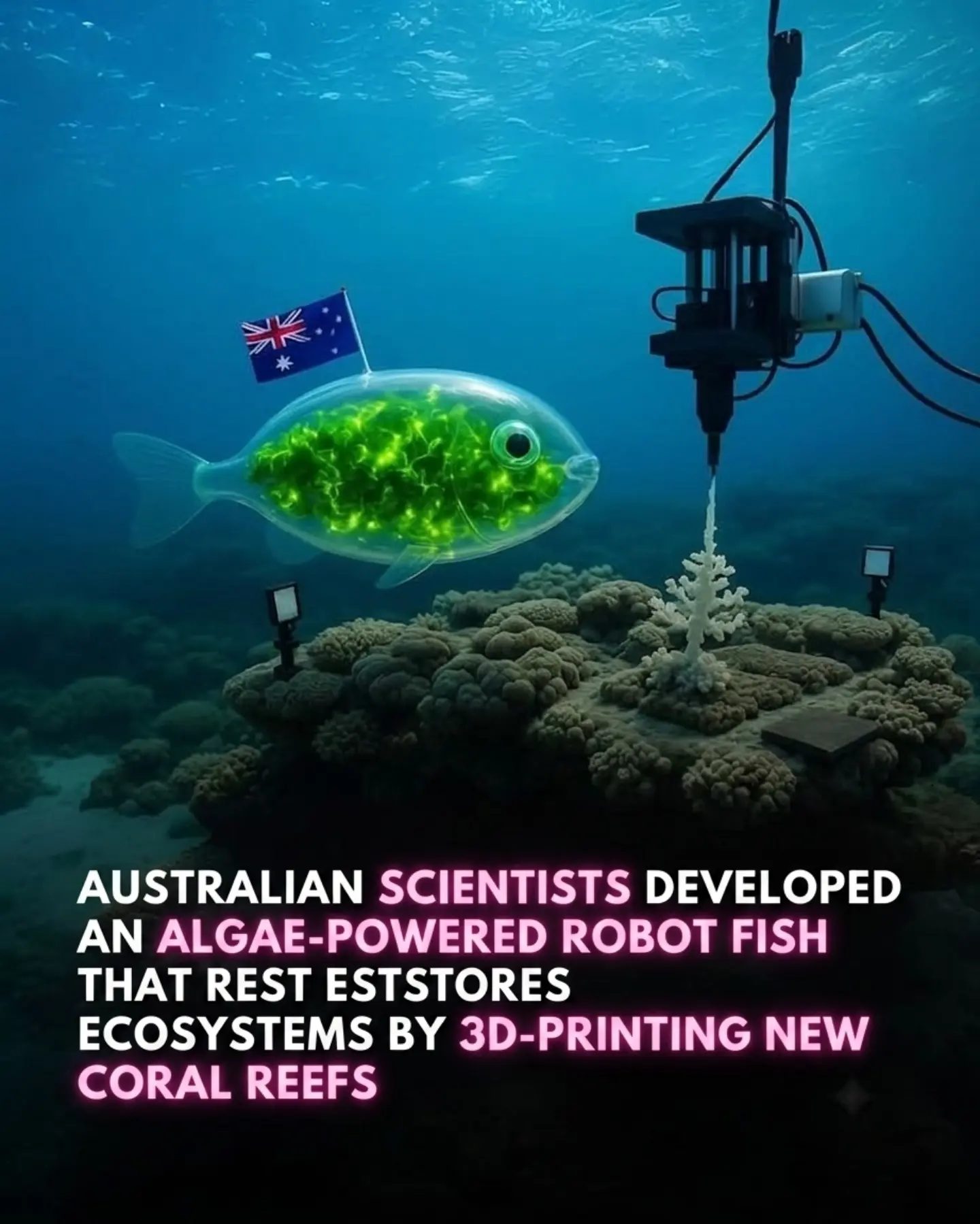
Algae-Powered Robot Fish and 3D-Printed Coral: Revolutionizing Reef Restoration
Coral reefs are the rainforests of the ocean, teeming with biodiversity and providing critical ecosystem services. Yet, these delicate ecosystems are under threat from climate change, pollution, and other environmental stressors. Australian scientists have developed an innovative solution to aid in coral reef restoration: algae-powered robot fish. These robotic marvels swim through reefs, 3D-printing living coral to rebuild and restore damaged ecosystems.
Why This Matters
Coral reefs support approximately 25% of all known marine life and provide essential services such as coastal protection, tourism, and fisheries. The decline of coral reefs due to bleaching events, pollution, and destructive fishing practices poses a significant threat to marine biodiversity and the livelihoods of millions of people. Innovative technologies like algae-powered robot fish offer a beacon of hope in the fight to preserve and restore these vital ecosystems.
The Technology Behind the Robot Fish
The algae-powered robot fish is a testament to human ingenuity and our ability to harness the power of nature. These robots are designed to mimic the movement of real fish, allowing them to navigate through coral reefs with ease. Their primary function is to 3D-print living coral structures, creating new habitats for marine life and promoting the natural recovery of damaged reefs.
Algae Power
The robot fish are powered by algae, a sustainable and renewable energy source. Algae can convert sunlight into energy through photosynthesis, making them an ideal power source for underwater robots. This eco-friendly power solution aligns with the broader goal of marine conservation by minimizing the environmental impact of the restoration process.
3D-Printing Living Coral
One of the most groundbreaking aspects of this technology is the ability to 3D-print living coral. The robot fish are equipped with advanced 3D-printing capabilities that allow them to deposit coral larvae and other materials in precise patterns. This process creates new coral structures that can grow and thrive, effectively restoring damaged reefs and providing new habitats for marine life.
The Role of 3D-Printed Coral Structures
3D-printed coral structures serve multiple purposes in reef restoration efforts:
Habitat Creation
Coral structures provide essential habitats for a wide range of marine species, including fish, crustaceans, and mollusks. By 3D-printing new coral structures, the robot fish help create new homes for these organisms, supporting biodiversity and ecosystem health.
Ecosystem Restoration
Damaged coral reefs often struggle to recover naturally due to the loss of structural complexity and the presence of environmental stressors. 3D-printed coral structures can accelerate the recovery process by providing a stable foundation for coral growth and colonization. This, in turn, promotes the natural recovery of the ecosystem and enhances its resilience to future stressors.
Coastal Protection
Coral reefs act as natural barriers, protecting coastal communities from storms, waves, and erosion. By restoring damaged reefs, 3D-printed coral structures help maintain these vital protective functions, safeguarding coastal areas and the people who live there.
Practical Tips for Supporting Coral Reef Restoration
While the algae-powered robot fish and 3D-printed coral structures represent cutting-edge technology in reef restoration, there are several practical steps individuals can take to support these efforts:
Reduce Plastic Pollution
Plastic pollution is a significant threat to marine life and coral reefs. Reducing your plastic use and properly disposing of waste can help minimize the impact of pollution on these delicate ecosystems.
Support Sustainable Fishing Practices
Overfishing and destructive fishing practices can damage coral reefs and the marine life that depends on them. Support sustainable fishing practices by choosing sustainably sourced seafood and advocating for responsible fishing regulations.
Promote Climate Action
Climate change is one of the most significant threats to coral reefs, causing widespread bleaching events and ocean acidification. Support climate action by reducing your carbon footprint, advocating for renewable energy, and raising awareness about the impacts of climate change on marine ecosystems.
Important Takeaways
The algae-powered robot fish and 3D-printed coral structures represent a significant advancement in reef restoration technology. By harnessing the power of nature and innovative engineering, these robots offer a sustainable and effective solution for rebuilding damaged coral reefs and promoting ecosystem recovery.
The Power of Innovation
Innovative technologies like algae-powered robot fish demonstrate the potential for technological advancements to address complex environmental challenges. By investing in research and development, we can unlock new solutions for restoring and protecting marine ecosystems.
The Importance of Ecosystem Health
Coral reefs play a critical role in maintaining the health of marine ecosystems and supporting the livelihoods of millions of people. Protecting and restoring these ecosystems is essential for preserving biodiversity, promoting sustainable development, and mitigating the impacts of climate change.
The Role of Individual Action
Individual actions, no matter how small, can make a significant difference in supporting reef restoration efforts. By reducing plastic pollution, promoting sustainable fishing practices, and advocating for climate action, individuals can play a crucial role in protecting and preserving coral reefs for future generations.
Conclusion
The algae-powered robot fish and 3D-printed coral structures offer a promising solution for restoring damaged coral reefs and promoting marine conservation. By harnessing the power of nature and innovative engineering, these robots provide a sustainable and effective means of rebuilding and restoring critical ecosystems. Through continued research, development, and individual action, we can unlock the full potential of these technologies and ensure the long-term health and resilience of our oceans.
Questions readers ask
How do algae-powered robots contribute to coral reef restoration?
Algae-powered robots contribute to coral reef restoration by mimicking the natural movement of fish while 3D-printing living coral. This process helps to rebuild and restore damaged coral reef ecosystems, promoting their recovery and resilience. The robots harness sunlight, making them a sustainable and eco-friendly solution for marine conservation efforts.
What are the benefits of using 3D-printed coral in reef rebuilding efforts?
3D-printed coral offers several benefits. It allows for precise and controlled restoration, enabling scientists to recreate complex coral structures. This method also accelerates the rebuilding process, as it can quickly establish new coral formations that support marine life, thus promoting the recovery of biodiversity and ecosystem services.
How do these algae-powered robots function and move through the water?
These robots are designed to mimic the natural movement of fish, allowing them to navigate through coral reefs with ease. They harness sunlight through the use of algae, which provides the energy needed to power their movement and 3D-printing capabilities. This design makes them environmentally friendly and efficient for long-term deployment in underwater environments.
Why are coral reefs so important for marine ecosystems and coastal areas?
Coral reefs are crucial for marine ecosystems as they support approximately 25% of all known marine life, providing essential habitats and nursery grounds. They also offer critical services for coastal areas, such as protection from storms, tourism revenue, and sustainable fisheries. The decline of coral reefs can have significant negative impacts on both marine life and human communities.
What are the main threats facing coral reefs today?
Coral reefs face several threats, including climate change, which leads to coral bleaching events, pollution, and destructive fishing practices. Other environmental stressors like ocean acidification and coastal development also contribute to the decline of these delicate ecosystems, making urgent and innovative restoration efforts like algae-powered robots essential for their preservation.
Related deep dives
Similar reads based on topic and creator.


Recent articles
Fresh deep dives from the latest Reels we unpacked.




Comments
Be the first to comment.