AI and Acting
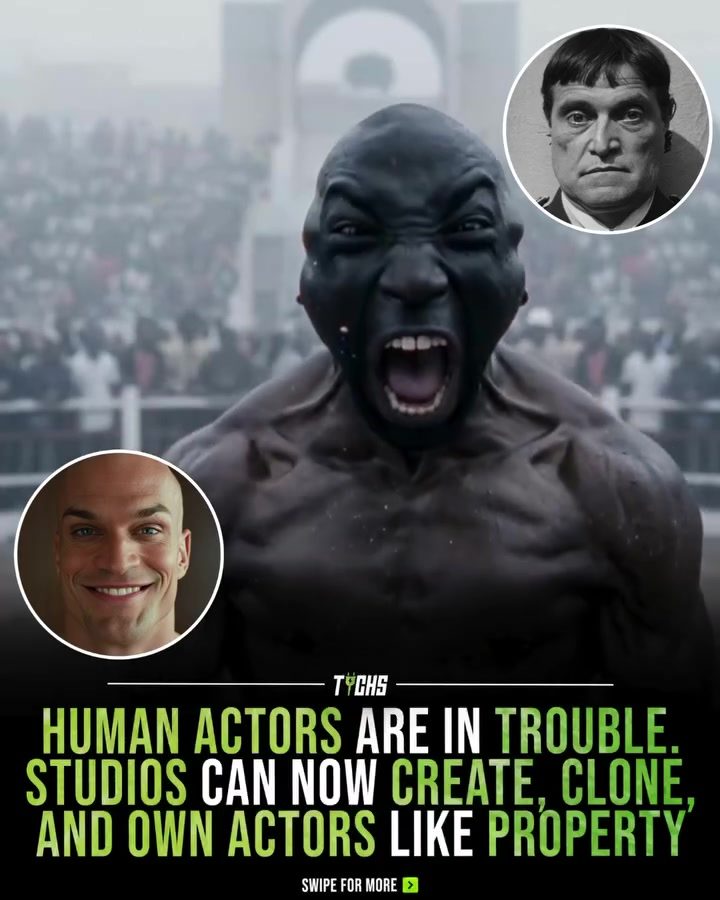
The intersection of AI and acting is rapidly reshaping the entertainment industry. AI technology is advancing to the point where studios can create, clone, and own actors as digital assets, transforming the traditional casting process and the very nature of what it means to be an actor.
Why This Matters
The implications of AI in acting are profound. This technology is not just about enhancing special effects or creating realistic CGI characters. It's about studios being able to generate actors from scratch, tailored to their specific needs, and owning the rights to these digital actors indefinitely. This shift could redefine the roles of human actors, the dynamics of film and television production, and the intellectual property landscape.
The Technology Behind AI-Generated Actors
Photorealistic Generation
One of the most striking aspects of AI-generated actors is their photorealism. Tools like those developed by Higgsfield.ai can create actors from nothing, building them from scratch in minutes. These AI-constructed actors can mimic any face, age, or look, offering studios unprecedented control over their on-screen talent.
Emotional and Artistic Training
These digital actors are not mere puppets. They are trained with real human emotions and artistic behavior, making them indistinguishable from their human counterparts. This level of sophistication means that AI-generated actors can perform with the same depth and nuance as human actors.
Instant Customization
The process of creating an AI-generated actor is remarkably efficient. Studios can describe the actor they need, and the AI tool generates them instantly. This eliminates the need for auditions and scouting, streamlining the production process and potentially reducing costs.
The Business of AI Actors
Licensing and Ownership
One of the most significant advantages of AI-generated actors is the licensing and ownership model. Studios can fully license and own these digital actors as intellectual property. This means they don't just use them for a specific project; they own the rights forever. This shift could have profound implications for the entertainment industry, changing how actors are compensated and how studios manage their talent.
Industry Adoption
Major companies are already investing in this technology, writing six-figure checks for AI tools that can generate photorealistic actors. The money has already moved in this direction, indicating a significant shift in the industry's priorities and investments.
Practical Tips for Actors and Studios
For Actors
- Stay Informed: Keep up with the latest developments in AI and acting. Understanding how this technology works and its potential impact on the industry can help actors stay ahead of the curve.
- Diversify Skills: Consider diversifying your skills beyond traditional acting. For example, getting involved in voice acting, motion capture, or even working with AI tools can open up new opportunities.
- Network and Collaborate: Build relationships with industry professionals who are at the forefront of this technology. Collaborating on projects that involve AI actors could provide valuable experience and opportunities.
For Studios
- Invest in Technology: Explore the potential of AI-generated actors and consider investing in the technology. This could offer significant cost savings and creative flexibility.
- Experiment with AI Actors: Try incorporating AI-generated actors into your projects to see how they can enhance your productions. This hands-on experience can provide valuable insights into the capabilities and limitations of this technology.
- Legal and Ethical Considerations: Understand the legal and ethical implications of using AI-generated actors. Ensure that you are compliant with all relevant laws and regulations, and consider the potential impact on human actors.
Important Takeaways
- AI is Transforming Acting: The entertainment industry is on the cusp of a major shift, with AI technology enabling studios to create, clone, and own actors as digital assets.
- Photorealism and Emotion: AI-generated actors are not just realistic; they are trained to perform with real human emotions and artistic behavior.
- Efficiency and Control: This technology offers studios unprecedented control over their talent, eliminating the need for auditions and scouting.
- Ownership and Licensing: Studios can own the rights to AI-generated actors indefinitely, changing the dynamics of talent management and compensation.
- Industry Investment: Major companies are already investing in this technology, indicating a significant shift in industry priorities.
Conclusion
The rise of AI in acting is a game-changer for the entertainment industry. Studios now have the power to create, clone, and own actors as digital assets, transforming the traditional casting process and the very nature of what it means to be an actor. While this technology offers exciting opportunities for studios, it also presents significant challenges and ethical considerations for actors. Understanding and adapting to this new landscape will be crucial for everyone involved in the entertainment industry.
Questions readers ask
What are AI actors and how are they created?
AI actors are digital performers generated using advanced algorithms. They are created by combining machine learning, computer graphics, and motion capture technologies to produce characters that can mimic human expressions, movements, and emotions.
How does AI cloning technology work for actors?
AI cloning technology allows studios to replicate an actor's likeness and mannerisms, creating a digital asset that can be used in various projects. By analyzing an actor’s performances, the AI learns to mimic their unique traits, enabling the creation of a digital double.
What are the potential benefits of AI-generated actors in film and television production?
AI-generated actors can offer flexibility and cost savings for production studios. They can be used for stunt sequences, recreating deceased actors, or even as a main cast member. Additionally, they can perform in any environment without the need for extensive travel or accommodation.
Will AI actors replace human actors in the future?
While AI actors offer many advantages, the complete replacement of human actors is unlikely. Human actors bring unique qualities, such as improvisation, emotional depth, and the ability to connect with live audiences, which are challenging for AI to fully replicate.
What are the implications of studios owning digital actor assets?
When studios own digital actor assets, they can use these assets across multiple projects without the need for contractual negotiations or additional compensation to human actors. This ownership can also lead to new business models and revenue streams.
Related deep dives
Similar reads based on topic and creator.




Recent articles
Fresh deep dives from the latest Reels we unpacked.




Comments
Be the first to comment.