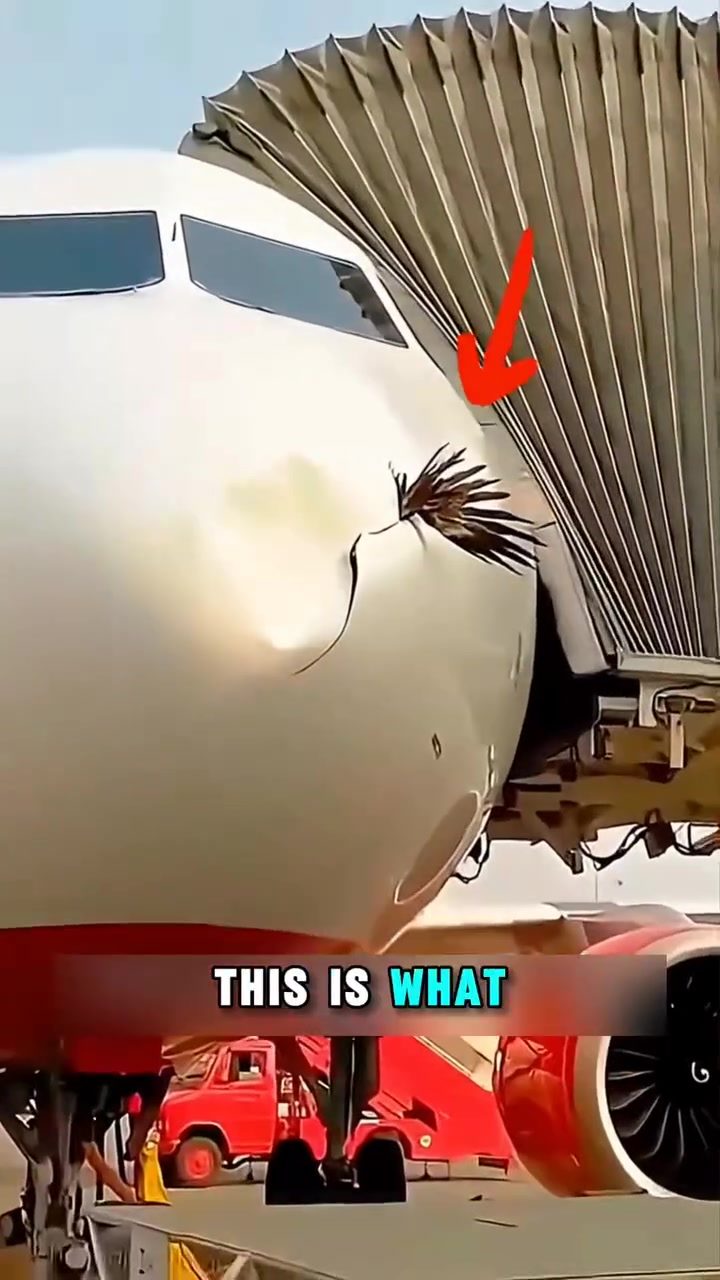
Airplane Engine Intakes and Bird Strikes: Why Steel Mesh Isn't the Solution
Bird strikes are a significant concern for aircraft safety. When an airplane hits a bird, the impact can cause substantial damage. This has led some to ponder an intriguing question: Why not install a steel mesh over the engine intake to keep birds out? While this idea might seem practical, it would create far more problems than solutions.
Why Aircraft Engines Need Unobstructed Airflow
Jet engines are designed to ingest massive amounts of air every second. This airflow is crucial for the engine's operation, as it powers combustion and generates thrust. Installing a steel mesh over the engine intake would significantly restrict this airflow, leading to several critical issues:
-
Increased Fuel Consumption: Restricting airflow means the engine has to work harder to maintain performance, resulting in higher fuel consumption. This not only increases operational costs but also reduces the aircraft's range.
-
Lower Thrust: The engine's thrust is directly proportional to the amount of air it can intake. A mesh screen would decrease the engine's efficiency, making it less powerful and potentially compromising the aircraft's ability to take off and climb efficiently, especially in adverse weather conditions.
-
Turbulence and Vibration: A mesh screen would create turbulence within the engine, causing it to vibrate. This vibration can have severe consequences, including potential damage to the fan blades, which spin at thousands of revolutions per minute (RPM). Over time, this could lead to engine failure and costly repairs.
The Impact Force of Bird Strikes
Birds don't hit aircraft engines at a leisurely pace. A 2-kilogram bird, which might seem small, can strike with tremendous force. This impact can cause significant damage to the engine, as birds are propelled at high speeds due to the plane's velocity. Therefore, a steel mesh would not prevent bird strikes but instead exacerbate the problem. If the mesh is shattered by the impact, it could break apart into metal fragments, which would then be sucked into the engine, causing even more damage. This situation is far more dangerous than dealing with a bird strike directly.
Airports' Approach to Bird Management
Given the risks associated with bird strikes, airports around the world have adopted comprehensive strategies to manage bird populations in and around their premises. These strategies include:
-
Regular Monitoring: Airport authorities conduct regular surveys and monitoring to keep track of bird activity. This helps in identifying areas with high bird concentrations and implementing targeted measures to deter them.
-
Deterrent Systems: They use a variety of deterrent systems, including pyrotechnics, acoustic devices, and trained falcons, to keep birds away from aircraft. These methods are often more effective and safer than trying to block the engines with a physical barrier.
-
Habitat Management: Airports modify the surrounding habitats to make them less attractive to birds. This includes removing potential food sources, altering water bodies, and maintaining vegetation.
-
Public Awareness: Educating the public about the dangers of bird strikes and the importance of reporting bird activity helps in maintaining a safer environment.
Practical Tips for Managing Bird Strikes
Airports and airlines can take several practical steps to minimize the risk of bird strikes:
-
Collaboration with Wildlife Experts: Engage with wildlife experts to develop customized strategies for bird management. They can provide valuable insights and methods tailored to the local bird species and their behaviors.
-
Regular Maintenance and Inspections: Ensure that all aircraft are regularly inspected for potential vulnerabilities. Even small structural cracks or damaged components can increase the risk of bird strikes.
-
Pilot Training: Pilots should be trained to recognize bird activity and understand the best practices for avoiding bird strikes. This includes knowing how to handle sudden bird strikes and managing the aircraft's performance.
-
Emergency Preparedness: Develop and regularly update emergency response plans in case of bird strikes. This ensures that any incidents are handled swiftly and effectively, minimizing the risk to passengers and crew.
Why Not Using a Steel Mesh is the Best Solution
While the idea of using a steel mesh to protect aircraft engines from bird strikes might seem appealing, the practical implications far outweigh the potential benefits. The problems of restricted airflow, increased fuel consumption, lower thrust, and potential engine damage make it a less than viable solution.
When considering bird strikes and aircraft safety, the best approach is to focus on effective bird management strategies that ensure a bird-free environment around airports. By working with wildlife experts, implementing deterrent systems, and maintaining a proactive approach, the aviation industry can significantly reduce the risks associated with bird strikes and ensure safer skies for everyone.
Questions readers ask
Why don't aircraft engines use a bird-proof mesh to prevent bird strikes?
Aircraft engines do not use a bird-proof mesh because it would restrict the airflow needed for their operation. This restriction can lead to increased fuel consumption, reduced thrust, and even vibrations, all of which hinder the safe and efficient performance of the aircraft.
What are the consequences of restricting airflow with a mesh on airplane engines?
Restricting airflow with a mesh on airplane engines can cause increased fuel consumption, lower thrust, and vibrations. These issues make it impractical to use a mesh, as they can compromise the engine's performance and the safety of the flight.
How do bird strikes impact airplane engines?
Bird strikes can cause significant damage to airplane engines, as the impact can break components or disrupt airflow. However, installing a mesh to prevent bird strikes would introduce more problems, such as fuel inefficiency, reduced thrust, and vibrations.
Are there alternatives to using a mesh for bird strike prevention?
While a mesh is not a viable solution, there are other methods to mitigate bird strikes, such as improving airport design to deter birds, using radar systems to detect and avoid bird flocks, and developing more resilient engine materials and components.
Why is unobstructed airflow crucial for airplane engines?
Unobstructed airflow is crucial for airplane engines because it powers combustion and generates thrust, enabling the engine to operate efficiently. Obstruction can cause the engine to draw in less air, leading to decreased thrust and higher fuel consumption.
How does a mesh on an engine intake affect vibrations in an airplane?
A mesh on an engine intake can cause vibrations due to airflow disruption and increased turbulence, which in turn can cause structural and mechanical issues. This can compromise the overall performance and safety of the aircraft.
Related deep dives
Similar reads based on topic and creator.




Recent articles
Fresh deep dives from the latest Reels we unpacked.




Comments
Be the first to comment.