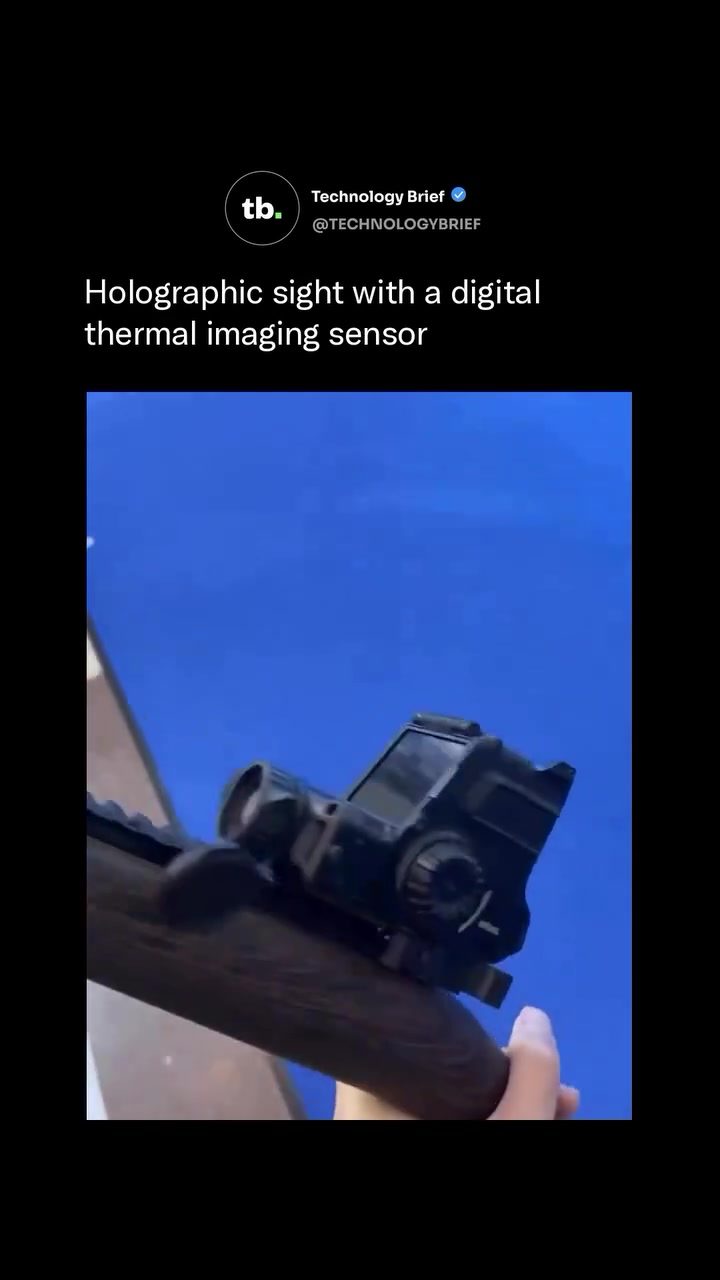
Holographic Thermal Imaging for Enhanced Security
Holographic thermal imaging represents a significant advancement in visual technologies, merging the capabilities of thermal imaging with holographic displays. This technology offers a unique combination of thermal data visualization and holographic projection, making it an invaluable tool for applications in security and surveillance.
Why this matters
In an increasingly digital world, the ability to detect and visualize human presence, even in challenging conditions, is crucial. Holographic thermal imaging stands out by providing clear, real-time data that can improve situational awareness and decision-making in various professional settings. This technology is particularly advantageous in environments where visibility is compromised, such as in low-light conditions, dense fog, or smoky environments.
What is holographic thermal imaging?
Holographic thermal imaging combines two powerful visualization technologies:
-
Thermal Imaging: This technology detects infrared radiation emitted by objects, converting it into visible images. The resulting thermal images show temperature differences, making it possible to identify heat sources, such as human bodies, even in complete darkness. This is typically displayed in color-coded images, where different temperatures are represented by different colors. For example, hotter areas might appear in red, while cooler areas might appear in blue.
-
Holographic Display: Holography projects three-dimensional images into space, creating a more immersive and interactive viewing experience. By overlaying thermal images onto holographic displays, users can see thermal data in a more natural and intuitive way, enhancing their ability to interpret and act on the information presented.
Potential applications
Holographic thermal imaging has a wide range of applications, particularly in sectors where real-time, accurate data is crucial. Some of the most promising uses include:
Security and surveillance
In security settings, such as airports, exhibition halls, and other public spaces, the ability to detect and monitor human presence is essential. Holographic thermal imaging can enhance security measures by providing real-time visualizations of individuals in a crowd, even in low-visibility conditions. This technology can help security personnel quickly identify and respond to potential threats, ensuring a safer environment for everyone.
Emergency response
During emergencies, first responders need to act swiftly and accurately. Thermal imaging can help them locate individuals who may be trapped or injured, even in smoky or foggy conditions. By combining this with holographic displays, rescue teams can gain a clearer understanding of the situation, making it easier to coordinate efforts and save lives.
Medical and healthcare
Holographic thermal imaging can also be valuable in medical settings. For example, it can help healthcare professionals monitor patients' vital signs, detect inflammation or infection, and assess tissue health by visualizing heat distribution within the body. This non-invasive method allows for continuous monitoring without the need for direct contact, which is particularly useful in situations where hygiene and patient comfort are critical.
Industrial and infrastructure monitoring
In industrial settings, thermal imaging is already widely used for equipment maintenance and safety checks. By integrating holographic displays, operators can gain a more comprehensive view of their facilities, making it easier to identify potential issues before they become critical. This can lead to improved safety, reduced downtime, and increased efficiency in industrial operations.
Law enforcement
Law enforcement agencies can leverage holographic thermal imaging to enhance their capabilities in various scenarios, from surveillance to tactical operations. The ability to see through obstacles and detect human presence in low-visibility conditions can provide law enforcement personnel with a significant advantage, helping them to apprehend suspects and respond to incidents more effectively.
Practical tips for using holographic thermal imaging
When utilizing holographic thermal imaging, it's essential to consider several practical aspects to ensure optimal performance and results.
Choosing the right equipment
Selecting the appropriate thermal imaging camera and holographic display is crucial for achieving the desired outcomes. Look for devices that offer high resolution, accurate temperature measurements, and seamless integration with holographic technology. It's also important to consider the specific needs of your application, such as the required field of view, detection range, and environmental conditions.
Calibration and maintenance
To ensure accurate and reliable thermal measurements, regular calibration and maintenance of the equipment are essential. Follow the manufacturer's guidelines for calibrating the thermal imaging camera and maintaining the holographic display. This will help to minimize errors and ensure consistent performance over time.
Training and familiarity
Operators should receive proper training to effectively use holographic thermal imaging equipment. Familiarity with the technology and its capabilities is crucial for interpreting thermal data accurately and making informed decisions. Ensure that users are well-versed in both the thermal imaging and holographic display aspects of the system.
Ethical considerations
The use of advanced imaging technologies, such as holographic thermal imaging, raises important ethical questions. It's essential to consider the privacy and consent of individuals being monitored, as well as the potential misuse of the technology. Establish clear guidelines and regulations to govern the use of holographic thermal imaging in various applications, ensuring that it is employed responsibly and ethically.
Important takeaways
-
Holographic thermal imaging combines the strengths of thermal imaging and holographic display technologies, providing a more interactive and intuitive visualization experience.
-
This technology has a wide range of applications, from security and surveillance to emergency response, medical, and industrial settings.
-
To maximize the benefits of holographic thermal imaging, it's essential to choose the right equipment, ensure proper calibration and maintenance, and provide adequate training for operators.
-
Ethical considerations should be at the forefront of any discussion surrounding the use of this technology, with clear guidelines and regulations in place to ensure responsible and ethical use.
Conclusion
Holographic thermal imaging represents a significant leap forward in visual technologies, offering a unique combination of thermal data visualization and holographic projection. This technology has the potential to transform various industries by providing real-time, accurate information in challenging conditions. By understanding its applications, practical considerations, and ethical implications, you can harness the power of holographic thermal imaging to enhance security, improve safety, and make more informed decisions. As this technology continues to evolve, its impact is likely to grow, making it an essential tool for professionals in a wide range of fields.
Questions readers ask
What is holographic thermal imaging and how does it enhance security?
Holographic thermal imaging merges thermal imaging with holographic projection, enabling security professionals to visualize thermal data in a 3D holographic format. This enhances security by providing clear, real-time data that improves situational awareness, even in challenging conditions like low-light or smoky environments, making it easier to detect and respond to potential threats.
How does holographic thermal imaging work in low-light environments?
Holographic thermal imaging uses thermal cameras to detect heat signatures, which are then projected as holograms. This means that even in low-light or completely dark environments, the system can still provide a clear visualization of human presence and other heat sources, making it an excellent tool for nighttime surveillance or in power outages.
What are the benefits of using holographic projection in thermal imaging?
Holographic projection allows thermal data to be displayed in mid-air, creating a 3D representation of the environment. This makes it easier to interpret complex data, as users can view the information from different angles and gain a more comprehensive understanding of the situation. Additionally, holographic projection enables multiple users to view the data simultaneously, facilitating better collaboration and decision-making.
Can holographic thermal imaging be used outdoors?
Yes, holographic thermal imaging is suitable for outdoor use. In fact, it can be particularly useful in outdoor environments with harsh weather conditions, such as heavy rain or snow, as thermal imaging can penetrate these obstacles, unlike traditional visible-light cameras. The holographic projection can be viewed through a special display or a holographic device designed for outdoor use.
What are the applications of holographic thermal imaging beyond security?
While holographic thermal imaging is highly beneficial for security and surveillance, its applications extend to other fields as well. It can be used in search and rescue operations, industrial inspections, and even in healthcare for monitoring patients' vital signs. The technology's ability to provide real-time, non-invasive monitoring makes it a versatile tool across various professions.
How does holographic thermal imaging compare to traditional thermal cameras?
Holographic thermal imaging offers several advantages over traditional thermal cameras. While traditional cameras display thermal data on a 2D screen, holographic thermal imaging provides a 3D holographic representation, enhancing depth perception and making it easier to interpret complex data. Additionally, holographic thermal imaging often includes advanced analytics and real-time data processing, providing more comprehensive information and insights.
What advancements have been made in Chinese thermal imaging technology?
Chinese thermal imaging technology has seen significant advancements, particularly in the development of smart thermal cameras and thermal detection optics. These advancements have led to improved thermal imaging capabilities, including better resolution, enhanced sensitivity, and more accurate temperature measurements. Additionally, Chinese manufacturers have been at the forefront of integrating thermal imaging with other technologies, such as holographic projection, to create innovative solutions for security and surveillance.
Related deep dives
Similar reads based on topic and creator.




Recent articles
Fresh deep dives from the latest Reels we unpacked.




Comments
Be the first to comment.