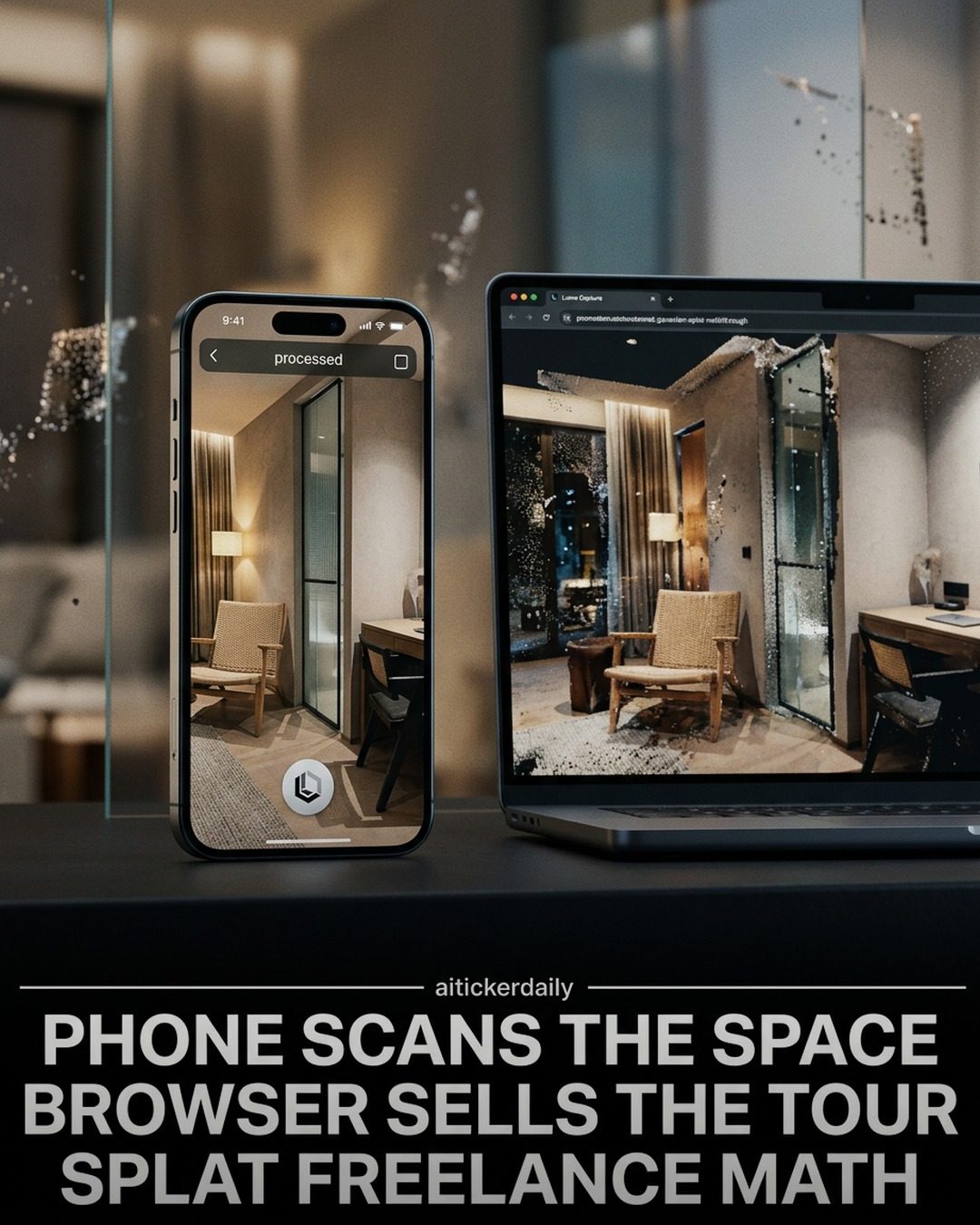
AI-Powered Space Scanning and Tour Creation
AI-powered space scanning technology has revolutionized the way we create and experience virtual tours. Using a smartphone, users can capture detailed 3D scans of spaces and convert them into interactive, shareable scenes. This technology not only simplifies the process of creating virtual tours but also enhances the user experience by allowing potential buyers or visitors to explore spaces remotely.
Context / Why This Matters
The traditional method of touring properties or spaces involves scheduling appointments and physically visiting each location. This process can be time-consuming and inconvenient, especially for potential buyers who may need to tour multiple properties. AI-powered space scanning changes this by allowing users to capture and share detailed virtual tours, making it easier for buyers to view dozens of properties from the comfort of their own home. This technology is particularly valuable for real estate agents, Airbnb hosts, and museum curators, who can now offer immersive virtual experiences without the need for expensive equipment or technical expertise.
Main Discussion
The Technology Behind AI-Powered Space Scanning
The process involves several key components:
1. Phone Capture with Luma AI
The first step in creating a virtual tour is capturing the space. This is done using a smartphone and Luma AI, a powerful tool that processes the captured video into a detailed 3D scan. Luma AI handles the phone capture and hosted processing, ensuring that the scans are accurate and high-quality. The phone scans the space, and the AI processes the data to create a Gaussian splat reconstruction, turning the video into a shareable scene.
2. Browser Tours with SuperSplat
Once the scan is captured and processed, it needs to be viewed and shared. This is where PlayCanvas SuperSplat comes in. SuperSplat is an open-source browser viewer that allows users to embed the 3D scans directly on any website without the need for additional plugins. This makes it easy to share the tours on booking or listing pages, enabling potential buyers to explore the properties from their browser.
3. Single-File Landing Pages with Claude
To make the process even more streamlined, Claude is used to create single-file landing pages. These pages include a follow-up email copy, making it easy for users to share the tours and follow up with potential buyers. This eliminates the need for a dev team, allowing freelancers to sell walkthroughs without technical hassles.
The Benefits of AI-Powered Tours
Cost-Effective
One of the most significant advantages of using AI-powered space scanning is the cost. Traditional virtual tours can be expensive, often requiring specialized equipment and technical expertise. In contrast, AI-powered tours can be created for a fraction of the cost, making it an affordable option for businesses and individuals alike.
Convenient for Buyers
AI-powered tours offer a convenient way for buyers to explore properties. Instead of scheduling multiple appointments, buyers can tour dozens of properties in one evening from the comfort of their own home. This not only saves time but also reduces the stress associated with traditional property viewings.
Enhances the User Experience
The interactive nature of AI-powered tours enhances the user experience. Buyers can explore the space at their own pace, zooming in on details and getting a better sense of the layout and features. This level of detail is often not possible with traditional photos or videos, making AI-powered tours a more immersive and informative experience.
The Sales Approach
The sales pitch for AI-powered space scanning is straightforward and low-ceremony. The process typically involves demonstrating a scan on the client's screen, offering a free first property scan, and then charging per scan or monthly hosting. This approach emphasizes the outcome over jargon, focusing on the value and convenience that the technology provides.
Monetization Strategies
There are several ways to monetize AI-powered space scanning:
-
Per-Scan Freelance Work: Charge clients for each scan they request. This is a straightforward approach that can be appealing to clients who only need a few scans.
-
Monthly Hosting: Offer a subscription service where clients pay a monthly fee to host their virtual tours. This can be a stable source of income and is ideal for businesses that need ongoing virtual tour services.
-
Training Scanners for a Cut: Provide training and support services to individuals or businesses, charging a commission or a cut from the scans they create. This can be a lucrative option for those who want to build a business around AI-powered space scanning.
Common Operational Mistakes
While AI-powered space scanning is a powerful tool, there are a few common operational mistakes to avoid:
-
Walking Too Fast: When capturing the space, it's important to walk at a steady pace to ensure that the scan captures all the necessary details.
-
Scanning in Bad Light: Poor lighting can affect the quality of the scan. Make sure the space is well-lit for the best results.
-
Pitching Jargon Instead of Outcomes: When selling the service, focus on the benefits and outcomes rather than technical jargon. Highlight how the technology can save time, reduce costs, and improve the user experience.
-
Building a Marketing Site Before a Live Client Demo: It's important to have a live client demo before investing in a marketing site. This ensures that the service is effective and valuable before promoting it widely.
Practical Tips
Optimizing Your Scans
-
Use Good Lighting: Ensure the space is well-lit to capture the best details. Natural light is often the best option, but artificial lighting can also work if used correctly.
-
Walk at a Steady Pace: Walking too fast can result in incomplete or blurry scans. Take your time to ensure that every part of the space is captured.
-
Check for Coverage: After capturing the scan, review it to ensure that all important areas are included. If necessary, go back and capture additional details.
Making the Most of Virtual Tours
-
Embed on High-Traffic Pages: Place the virtual tours on high-traffic pages, such as booking or listing pages, to maximize visibility.
-
Optimize for Mobile: Ensure that the virtual tours are optimized for mobile devices, as many users will be viewing them on their smartphones.
-
Follow Up: Use the single-file landing pages and follow-up email copy to engage with potential buyers and answer any questions they may have.
Important Takeaways
AI-powered space scanning and tour creation offer a cost-effective, convenient, and immersive way to explore spaces. By using tools like Luma AI, SuperSplat, and Claude, users can create high-quality virtual tours that enhance the user experience and simplify the process of selling or renting properties. The sales approach is straightforward, focusing on outcomes rather than technical jargon, and there are multiple monetization strategies to consider.
Conclusion
AI-powered space scanning is a game-changer in the world of virtual tours. It offers a cost-effective, convenient, and immersive way to explore spaces, making it an invaluable tool for real estate agents, Airbnb hosts, and museum curators. By leveraging the power of AI, users can create high-quality virtual tours that save time, reduce costs, and enhance the user experience. Whether you're a freelancer looking to sell walkthroughs or a business owner looking to offer immersive virtual experiences, AI-powered space scanning has something to offer.
Questions readers ask
What equipment is needed to create a virtual tour using AI space scanning?
The primary tool needed is a smartphone. This technology leverages the capabilities of modern smartphones to capture detailed 3D scans. In addition to the smartphone, users need a compatible app that supports AI-powered space scanning. This approach eliminates the need for expensive, specialized equipment.
How does AI enhance the creation of virtual tours?
AI significantly simplifies the process of creating virtual tours by automating the conversion of 3D scans into interactive, shareable scenes. AI can also enhance the quality of the 3D scans by filling in gaps, improving lighting, and even removing unwanted objects, leading to a more immersive and accurate experience.
Can AI virtual tours be used for sectors other than real estate?
Absolutely. While real estate is a key beneficiary, AI-powered virtual tours are also highly beneficial for the hospitality and cultural sectors. Hotels can use them to showcase their facilities, and museums can provide remote tours of their exhibits. The versatility of this technology makes it a valuable tool across various industries.
What are the benefits of using AI for remote location tours?
AI enables users to explore remote locations without the need for physical travel. This saves time and resources, making it ideal for those who need to tour multiple properties or locations. Additionally, AI-powered virtual tours offer a consistent and detailed experience, ensuring that users can get a true sense of the space from anywhere in the world.
Are there any open-source options for AI virtual tour software?
Yes, there are open-source options available for AI virtual tour software. These tools allow developers to create custom virtual tour experiences by leveraging AI technology. However, the availability and functionality of these open-source tools can vary, so it's important to research and choose the one that best fits your needs.
How does AI improve the user experience in virtual tours?
AI enhances the user experience by providing more detailed and interactive 3D models. Users can navigate through spaces as if they were physically present, which can increase engagement and satisfaction. Additionally, AI can offer features like guided tours, virtual assistants, and personalized recommendations, making the experience more informative and enjoyable.
Related deep dives
Similar reads based on topic and creator.




Recent articles
Fresh deep dives from the latest Reels we unpacked.




Comments
Be the first to comment.