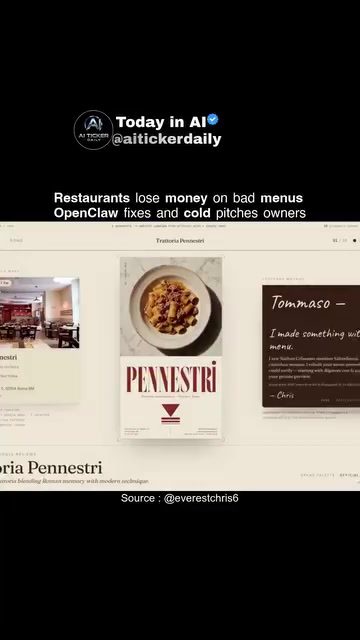
Restaurant menus are more than just lists of dishes; they are a critical component of a restaurant's success. A well-designed menu can significantly enhance the dining experience, while a poorly designed one can lead to lost revenue. Let's delve into the importance of menu design and how technology, such as AI, can help restaurants optimize their menus.
Context
A restaurant's menu is often the first point of interaction between the customer and the establishment. It sets expectations, influences decisions, and can even affect the perceived value of the dining experience. Menus that are outdated, confusing, or poorly organized can deter customers and result in financial losses. Conversely, a thoughtfully designed menu can boost sales, enhance customer satisfaction, and create a positive brand image.
Menu Design and Its Impact
The Power of First Impressions
The design of a menu can create a strong first impression. Aesthetically pleasing menus, with high-quality images and clear layouts, are more likely to attract and retain customers. Poorly designed menus, on the other hand, can be off-putting and may lead to a negative perception of the restaurant.
Organization and Readability
A well-organized menu is crucial for a smooth dining experience. Customers should be able to navigate the menu effortlessly, finding dishes they like without feeling overwhelmed. Effective use of categories, clear headings, and easy-to-read fonts can greatly improve the menu's usability.
Price Perception
Pricing is another element that can significantly influence customer behavior. How prices are presented can affect their perceived value. For instance, eliminating dollar signs or using smaller fonts for prices can make dishes appear more affordable. Conversely, highlighting specials or seasonal items can create a sense of exclusivity and urgency.
Role of AI in Menu Optimization
Identifying Inefficiencies
AI tools like OpenClaw can automate the process of identifying outdated or poorly designed menus. By scanning online menus, it can flag issues such as missing information, inconsistent formatting, or unappealing layouts. This allows restaurants to address these issues promptly and improve their menus.
Enhancing Menu Presentation
AI can also suggest improvements to enhance the visual appeal and readability of menus. For example, it can recommend using high-resolution images, improving font choices, and ensuring consistency in design elements. These enhancements can make the menu more attractive and user-friendly, potentially increasing customer satisfaction and sales.
Personalizing Menus
Personalization is a growing trend, and AI can help tailor menus to individual customer preferences. By analyzing customer data, AI can suggest items that are likely to appeal to specific demographics or dietary needs. This personalized approach can lead to higher engagement and repeat business.
Practical Tips for Menu Design
Know Your Audience
Understanding your target audience is essential for creating an effective menu. Consider their preferences, dietary restrictions, and spending habits. Tailor the menu to meet these needs, ensuring that it offers a variety of options that appeal to a broad range of customers.
Use High-Quality Images
High-quality images of dishes can significantly enhance a menu's appeal. Ensure that the images are crisp, well-lit, and visually appealing. Avoid generic stock photos and opt for authentic, mouth-watering images of your actual dishes.
Simplify the Layout
A cluttered menu can be overwhelming. Simplify the layout by using clear headings, bullet points, and ample white space. Make sure the menu is easy to navigate, with sections for appetizers, main courses, desserts, and beverages.
Test and Iterate
Menu design is an iterative process. Regularly review and update your menu based on customer feedback and sales data. Experiment with different layouts, pricing strategies, and offerings to see what works best for your audience.
Important Takeaways
- A well-designed menu can significantly enhance customer experience and boost sales.
- Poorly designed menus can lead to lost revenue and negative perceptions.
- AI tools like OpenClaw can help identify and fix menu issues, enhancing overall design and functionality.
- Personalization and high-quality images can make menus more appealing and user-friendly.
- Understanding your audience and simplifying the layout are key to effective menu design.
Conclusion
In the competitive world of restaurants, a well-designed menu can make all the difference. By leveraging AI and following best practices in menu design, restaurants can create menus that not only attract customers but also enhance their dining experience.
Whether you're a restaurant owner looking to revamp your menu or a food enthusiast interested in the art of menu design, investing time and resources into creating an effective menu can yield significant returns.
Questions readers ask
How does AI help in identifying the best selling menu items?
AI analyzes sales data and customer preferences to pinpoint which dishes are most popular. By identifying these top performers, restaurants can adjust their menus to highlight these items, thus boosting sales.
Can AI assist in optimizing the layout of a restaurant menu?
Yes, AI can optimize the layout by determining the most effective placement of items based on customer behavior and purchasing patterns. This ensures that high-profit items are prominently featured, enhancing overall sales and profitability.
How does AI improve the pricing strategy for menu items?
AI uses data analytics to understand customer demand and competitive pricing. It can suggest price adjustments that maximize revenue without compromising customer satisfaction, ensuring that dishes are priced to attract and retain customers.
What role does AI play in personalizing menus for customers?
AI can analyze individual customer preferences and dining histories to create personalized menu suggestions. This not only enhances the dining experience but also encourages repeat visits and increases customer loyalty.
How does AI contribute to the profitability of a restaurant menu?
By analyzing sales data and customer preferences, AI helps restaurants identify high-margin items and adjust menus to focus on these profitable dishes. This optimization can lead to increased revenue and reduced waste, ultimately enhancing the restaurant's bottom line.
Can AI help in reducing the risk of menu items becoming outdated?
Yes, AI can monitor trends and customer preferences in real-time, allowing restaurants to update their menus more frequently and efficiently. This ensures that the menu remains relevant and appealing, preventing items from becoming stale or unpopular.
How do restaurants use AI to improve the overall dining experience?
AI can enhance the dining experience by streamlining the ordering process, improving menu layout for better navigation, and providing personalized recommendations. These improvements can make dining more enjoyable and efficient for customers, leading to higher satisfaction and repeat business.
Related deep dives
Similar reads based on topic and creator.




Recent articles
Fresh deep dives from the latest Reels we unpacked.




Comments
Be the first to comment.