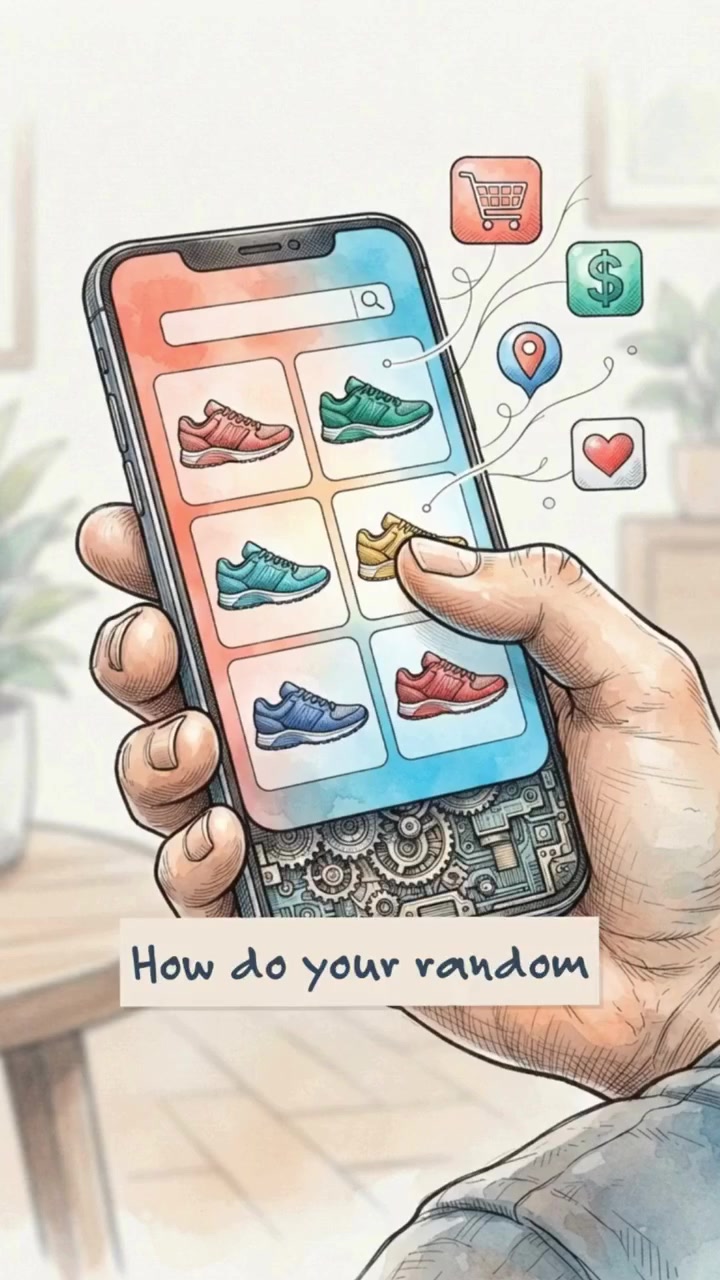
Every browser click counts, monetized in a $332 billion data broker industry. Consider the last time you searched for new shoes: when you lingered on a shoe ad, your browser captured those milliseconds. That data was sent directly into a data funnel, to be auctioned off to advertisers. This digital funnel regards every user's behavior as a profit opportunity. Here's how that process works, from your search for shoes to the subsequent personalized ads that follow you.
With Commerce Driving Digital Surveillance
In a multi-stage process, the digital funnel mines insight from your attention. Google alone logs 5 trillion searches annually, and Meta tracks 2 billion users. Profile data may be leaked to banks, insurers, or the dark web, where a full identity package sells for as little as $35. Your profile can be purchased by third-party brokers for just 50 cents, according to a text overlay. But the real buyer is you, exploiting your "free" browsing experiences with every click you make. The data mining also leads directly to the advertisements you see online, including micro-targeted ads. The Cambridge Analytica scandal, meanwhile, proved exactly how easily user data can be weaponized. As the caption points out, you're the product being sold.
The Digital Funnel’s Stages
Raw Data Collection
Imagine the process when you search for running shoes online. The details involve microsurveillance too granular for human oversight. Running shoe searches are logged, as are hover times and click behavior in relation to ads for different shoe styles. The total time spent on different ads, mixed with other browsing habits and queries, create a data portfolio. The data is collected instantly. The algorithm can tag this folder to predict your next moves. However, none of this is the marketing pitch you read about. It’s a digital footprint that mines marketing information as an end goal. Personalization doesn't just mean recommendations anymore.
Data Aggregation to Profiles: The Multi-Stage Process
Digital footprints are incrementally aggregated and tagged to match specific profiles. This personalization goes deeper than advice on shoe color or fit. According to the narrator, "the system knows you are using an expensive phone." That smartphone status is bundled with a zip code to create a user profile that can be sold on the open market.
The Open Network: A Picture of Permanent Monitoring
The funnel's raw inputs and processed profiles are added to the open network. There, a highly competitive bidding war begins. Advertisers bid on your profile, competing in milliseconds, to dictate the targeted ads that appear across unrelated websites. As a result, the targeted ads are so specific that the difference in price can be high enough to artificially inflate costs.
Data Purchasing and Package Sales
Once your completed profile is successfully monetized, the digital funnel doesn't close. The data is bundled into sales packages. These packages can be sold to third-party agencies, including insurers, banks, and the dark web. Because this funnel is designed to harvest your identity, it’s also designed to weed out non-marginal users, even if you think your actions are anonymous.
Raw Inputs
The digital funnel’s raw inputs include search queries, hover times, and click behavior. These inputs are paired with your online page views and viewed ads. If you search for a pair of sneakers, your lookup is a raw input. Minutes spent watching a fitness video (that video is no accident) are also raw data. A tagging algorithm stitches all these actions together.
The “Behavioral Profile”
The combined data becomes a “behavioral profile” that predicts your interests and behaviors. It’s an aggregate of all your activity. The algorithm tags these profiles to predict what you’ll do next; This creates a micro-targeted product portfolio. The entire process is designed to add value to your identity by mining your attention and decisions.
Maximizing Fiscal Profit from Digital Footprints
Third-Party Agencies
The digital funnel doesn’t end with personalization and targeted ads. Once profiles are generated, they’re weaponized to manipulate your choices. If the system knows you’re using an expensive phone in a wealthy zip code, it inflates the shoe price artificially, even for a simple running shoe search. This sale of user data can lead to a data file sold to a broker for 50 cents.
Attraction and Traction with Third-Party Purchasers
The funnel ensures that the data packs are attractive to third-party companies. The youthful fashionista could appeal to companies looking to leverage her spending habits. While such personalized targeting appears innocuous, the user should know that the data is sold in bulk to third-party agencies, who inevitably purchase a full identity package.
What You Can Do to Protect Your Digital Footprint
You are the product in this transaction, and there are things you can do about it. There are some practical tips for protecting your digital footprint:
- Use a VPN: While browsing, maintain privacy by utilizing a VPN. It gives a layer of privacy, blocking traffic from your IP address. Changing to restricted mode also helps to restrict content and ads.
- Enable privacy tools: Most browsers offer the option to enable privacy, blocking trackers, and ad settings.
- Review app permissions: Review all app permissions and read the terms of use.
- Be cautious of recommendations: Turn off personalization and shopping recommendations.
- Log out of sites: After browsing, refrain from staying logged into accounts. Log out and clear the cache. If applicable, your password manager can help with long-term passwords that keep your accounts secure.
The Fight for Digital Privacy
With Google logging 5 trillion searches annually, and Meta tracking 2 billion users, it’s hard to stay anonymous. Digital privacy is a growing movement, with users demanding transparency in data collection. Insurers, banks, or the dark web may buy your data. Use the tips above to ensure that your browsing activity does not escalate into an identity theft nightmare. It’s time to protect your data.
Questions readers ask
How does the digital funnel work when I search for shoes online?
When you search for shoes online, your every move is tracked and sold. This digital funnel mines insight from your attention. For example, if you search for running shoes, the details like hover times and click behavior are logged, then aggregated into a data portfolio. This portfolio is used to predict your next moves and create a highly specific profile.
Who buys my data and what do they do with it?
Advertisers are the primary buyers of your data. They bid on your profile in a competitive market to dictate the targeted ads you see across various websites. This data can also be sold to third-party agencies, including insurers, banks, and even the dark web, where a full identity package can sell for as little as $35.
Is there a way to prevent my data from being sold in this process?
The article doesn't provide specific solutions to prevent your data from being sold. However, it highlights the importance of being aware of how your data is being used. Considering the pervasive nature of data tracking, it might be challenging to completely opt out, but using privacy-focused browsers and tools can help minimize data collection.
What does the Cambridge Analytica scandal have to do with this?
The Cambridge Analytica scandal is a stark example of how user data can be weaponized. It showed exactly how easily user data can be exploited, highlighting the risks involved in the data brokering industry. The scandal underscores the importance of understanding how your data is being used and the potential consequences of data breaches.
How does the digital funnel impact the cost of products I see online?
The targeted ads that result from the digital funnel can artificially inflate costs. Advertisers bid on your profile in a competitive market, and the more specific the targeting, the higher the cost can be. This means that the products you see online might be priced higher due to the extensive data collection and profiling process.
Related deep dives
Similar reads based on topic and creator.




Recent articles
Fresh deep dives from the latest Reels we unpacked.



Comments
Be the first to comment.