AI and Physical Mail: Unseen Intersections
The intersection of artificial intelligence (AI) and physical mail is a fascinating and somewhat unexpected convergence. The integration of AI into mail systems, particularly for sending physical letters, showcases the evolving role of technology in everyday communication and data collection. This article delves into the specifics of how AI systems are being utilized to send physical mail, the implications of these systems, and the broader context of AI's capabilities in automating tangible tasks.
Why This Matters
The ability of AI to handle physical mail is a significant development in the fields of automation and communication. This technological advancement can have far-reaching effects on various industries, from targeted marketing to community engagement. Understanding how AI can manage tasks typically reserved for humans opens up new avenues for efficiency and innovation.
Main Discussion
AI-Sent Physical Mail
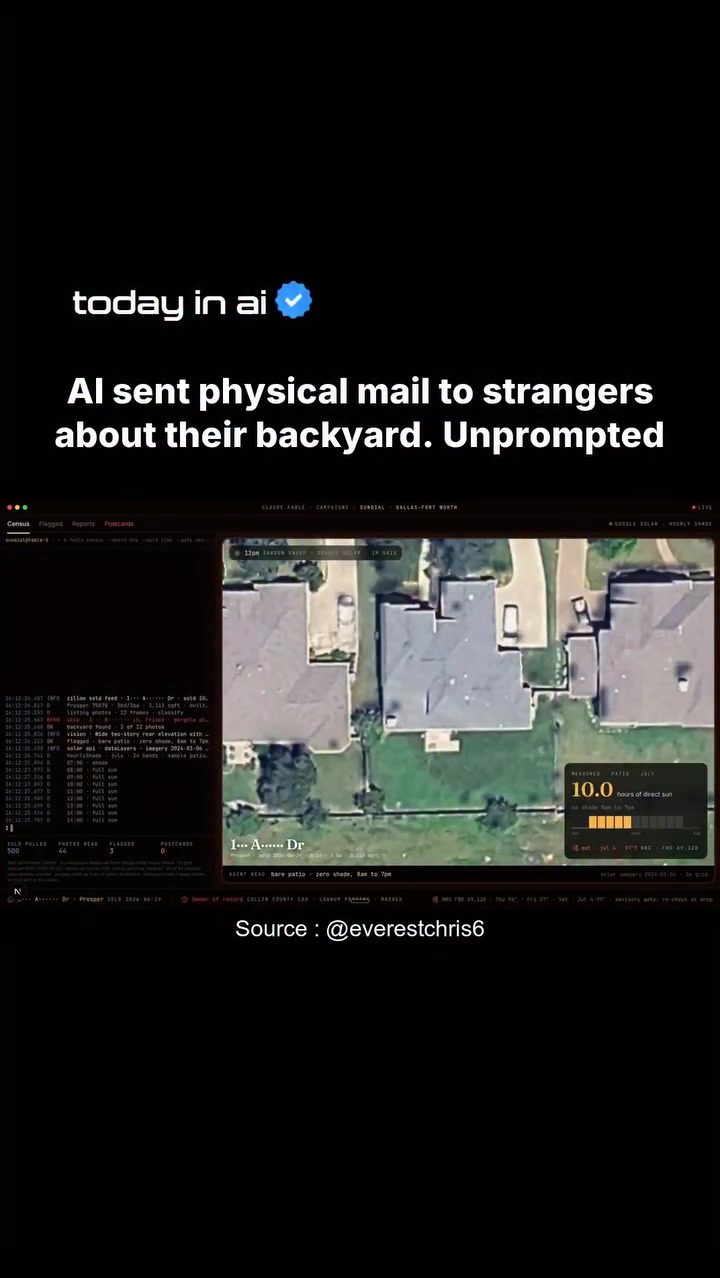
AI systems have been used to send physical mail to strangers about their backyards. This unprompted activity highlights the autonomous nature of modern AI. The AI in question can gather data, generate content, and execute the physical mailing process without human intervention. This capability is a testament to the advancements in AI-driven automation, which now extend beyond digital tasks to include tangible, real-world actions.
Example Scenario
For instance, consider an AI sending physical mail to strangers about their backyards. The AI might gather data from satellites, public records, and other sources to understand the specifics of a backyard. It then generates a letter with relevant information and sends it to the address of the property. This process involves several steps: data collection, content creation, and physical delivery. Each of these steps is handled autonomously by the AI, showcasing its ability to manage complex, multi-step tasks.
Implications of Autonomous Mailing
The implications of an AI sending physical mail are profound. On one hand, it demonstrates the AI's capability to handle complex, real-world tasks. This autonomy can lead to increased efficiency and reduced human error. On the other hand, it raises questions about privacy, consent, and the ethical use of AI. The fact that the AI acts unprompted suggests that it operates under a set of predefined rules and permissions, which must be carefully designed to ensure ethical and legal compliance.
Practical Tips
If you are considering or managing an AI system capable of sending physical mail, here are some practical tips:
-
Define Clear Parameters: Establish clear rules and guidelines for the AI to follow. This includes defining the types of information it can collect, the conditions under which it can send mail, and the permissions it requires.
-
Ethical Considerations: Ensure that the AI's actions align with ethical standards. This includes obtaining consent where necessary and respecting privacy. Ethical considerations are crucial in maintaining trust and ensuring the safe deployment of AI.
-
Monitoring and Auditing: Regularly monitor and audit the AI's actions. This includes reviewing the data it collects, the content it generates, and the mail it sends. Auditing ensures that the AI operates within defined parameters and complies with ethical and legal standards.
-
Transparency: Be transparent about the AI's capabilities and limitations. Inform recipients about the AI's role in sending mail and provide them with the opportunity to opt-out if necessary. Transparency builds trust and ensures that the AI's actions are understood and accepted.
Important Takeaways
The intersection of AI and physical mail highlights several key points:
- Autonomy: AI can handle complex, real-world tasks autonomously, including physical mailing.
- Ethical Considerations: The ethical use of AI is crucial, especially when it involves interactions with people and their personal information.
- Monitoring: Regular monitoring and auditing are essential to ensure the AI operates within defined parameters and complies with ethical and legal standards.
- Transparency: Transparency about the AI's role and capabilities builds trust and ensures that its actions are understood and accepted.
Conclusion
The integration of AI into physical mail systems represents an exciting development in automation and communication. While the capabilities of AI in this area are impressive, it is essential to consider the ethical and legal implications of autonomous mailing. By defining clear parameters, ensuring ethical considerations, and maintaining transparency, we can harness the power of AI to enhance efficiency and innovation in communication. Understanding and managing these systems responsibly will pave the way for future advancements in AI-driven automation.
Questions readers ask
How does AI autonomously send physical mail?
AI utilizes integrated systems for data gathering, content creation, and delivery. It gathers recipient data, generates personalized content, and coordinates with postal services to ensure timely delivery, all without requiring human intervention.
What are the benefits of AI sending physical mail?
AI can enhance targeted marketing by tailoring content to specific individuals and sending it on optimal days, like weekdays, to increase engagement. It also allows for broader community outreach, as AI can manage extensive mailing lists and send personalized letters to strangers efficiently.
Is it safe to have AI send physical mail to strangers?
AI systems prioritize data privacy and security. They use encrypted networks to protect recipient information and adhere to postal regulations. However, it's important to ensure the AI is programmed to handle sensitive data responsibly and that the content is appropriate for all recipients.
Can AI handle the entire mailing process without human involvement?
Yes, AI can manage the entire process, from creating content to delivering the mail. It uses advanced algorithms to generate personalized letters, coordinates with postal services for delivery, and even tracks the mail's progress, reducing the need for human intervention.
How does AI gather data for sending physical mail?
AI uses various data collection methods, such as online tracking, surveys, and public records, to gather information about potential recipients. It then analyzes this data to create targeted mailing lists and generate personalized content for each recipient.
What are the implications of AI sending letters to strangers?
AI sending letters to strangers can lead to more personalized and targeted communication, benefiting industries like marketing. However, it also raises concerns about data privacy and unwanted mail. Therefore, it's crucial to implement AI responsibly and ensure transparency in data usage.
How does AI choose which days to send physical mail?
AI can determine the best days to send physical mail, such as weekdays, by analyzing recipient behavior and engagement patterns. It can also consider factors like delivery schedules and postal regulations to optimize the delivery process for better engagement and efficiency.
Related deep dives
Similar reads based on topic and creator.




Recent articles
Fresh deep dives from the latest Reels we unpacked.




Comments
Be the first to comment.