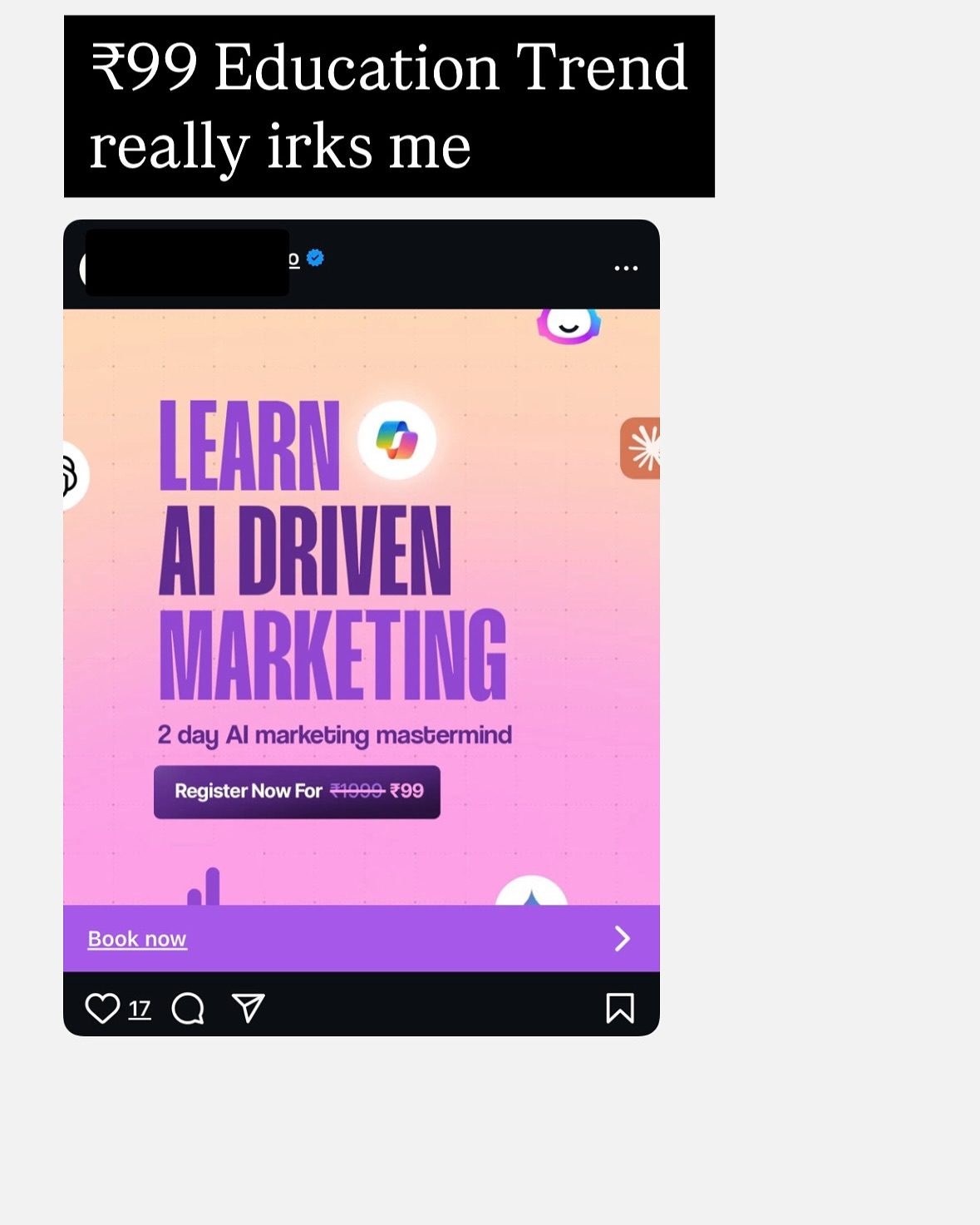
AI-Driven Marketing Education: Navigating the Shift
Marketing is undergoing a significant transformation, driven largely by advancements in AI. As educators, it's crucial to adapt to this shift and provide clarity rather than contributing to the confusion or chaos. This shift is not just about embracing new tools; it's about understanding the fundamental changes in how education is delivered and consumed.
Context: Why This Matters
The shift in marketing education from traditional methods to AI-driven approaches is driven by the need for more efficient and effective strategies. Marketers are now leveraging AI to analyze vast amounts of data, predict trends, and personalize customer experiences. This change requires a different skill set, one that focuses on outcomes rather than just numbers.
The Rise of AI in Marketing
AI has become an integral part of modern marketing strategies. From chatbots that handle customer inquiries to algorithms that optimize ad spending, AI is revolutionizing how businesses engage with their audiences. This shift has led to a new demand for online courses that teach these skills. However, not all courses are created equal, and the current trend of focusing on funnel-building rather than skill-building has left many learners feeling misled.
The Problem with Funnel-Driven Courses
Many online courses today focus more on creating a pitch deck for venture capitalists (VCs) rather than teaching practical skills. This approach often leads to misleading courses that promise high returns but fail to deliver real value. The primary issue with this trend is that it shifts the focus from outcomes to numbers, which can be detrimental in the long run.
Main Discussion
The Importance of Outcomes Over Numbers
When it comes to marketing education, the focus should be on outcomes rather than just driving numbers. This means that the courses should prioritize teaching skills that can be applied in real-world scenarios. For instance, an AI-driven marketing course should teach students how to leverage AI tools to analyze data, create personalised marketing strategies, and measure their effectiveness.
Building Skills vs. Building Pitch Decks
Building a pitch deck for VCs might seem like a quick way to attract funding, but it doesn't necessarily translate into real-world skills. In contrast, courses that focus on building practical skills are more likely to provide long-term benefits. These courses should teach students how to use AI tools to enhance their marketing strategies, making them more effective and efficient.
Addressing Misleading Courses
It's important to acknowledge that many people have been burnt by misleading courses that promised a lot but delivered little. These courses often focus on driving numbers rather than providing real value. To address this issue, it's crucial to focus on providing clarity and practical skills, even if it doesn't scale like a funnel.
Practical Tips
Choose Courses Wisely
When selecting an online course, look for one that prioritizes outcomes over numbers. Check the course content and reviews to ensure it focuses on practical skills rather than just theoretical knowledge. Also, look for courses that offer hands-on training and real-world case studies.
Focus on Practical Skills
Ensure that the course you choose provides practical skills that you can apply immediately. This includes using AI tools to analyze data, create personalised marketing strategies, and measure their effectiveness. Courses that offer hands-on training and projects are more likely to provide real value.
Look for Reputable Educators
Select courses from reputable educators who have a proven track record of providing high-quality education. Look for educators who focus on outcomes and have a solid understanding of the latest AI-driven marketing techniques.
Engage with the Community
Join online communities and forums related to marketing education. Engaging with other learners can provide valuable insights and help you stay updated with the latest trends and best practices.
Important Takeaways
The shift in marketing education from traditional methods to AI-driven approaches requires a different skill set. This shift is driven by the need for more efficient and effective strategies. The focus should be on outcomes rather than just numbers, and the courses should prioritize teaching practical skills. It's crucial to choose courses wisely, focus on practical skills, look for reputable educators, and engage with the community.
Conclusion
The future of marketing education lies in harnessing the power of AI to provide more effective and efficient strategies. However, it's essential to focus on outcomes rather than just numbers and prioritize teaching practical skills. By choosing the right courses and engaging with the community, you can stay ahead of the curve and navigate the shift in marketing education successfully.
Questions readers ask
What are the key skills emphasized in AI marketing education?
AI marketing education focuses on practical skills such as data analysis, trend prediction, and personalizing customer experiences. These skills help marketers leverage AI to analyze vast amounts of data, predict trends, and create tailored customer interactions, making them more effective in their roles.
How does AI marketing education differ from traditional marketing courses?
Traditional marketing courses often emphasize funnel-building and immediate metrics, whereas AI marketing education prioritizes understanding and utilizing AI tools to drive real-world outcomes. This shift focuses on the long-term impact of marketing strategies rather than short-term numbers.
What role does trend prediction AI play in modern marketing education?
Trend prediction AI is a crucial component in modern marketing education as it enables marketers to anticipate market shifts and consumer behavior. By integrating trend prediction AI, marketers can develop proactive strategies that capitalize on emerging opportunities and mitigate potential risks.
How can AI marketing courses prepare individuals for the industry's future?
AI marketing courses are designed to equip individuals with the skills needed to thrive in a data-driven marketing landscape. By focusing on both the technical aspects of AI and the strategic application of AI tools, these courses ensure that graduates are prepared to drive meaningful outcomes in the industry.
Why is personalized marketing AI important in contemporary marketing strategies?
Personalized marketing AI allows marketers to create tailored experiences for customers, enhancing engagement and loyalty. By analyzing customer data and preferences, AI can help deliver personalized content and offers, making marketing efforts more effective and customer-centric.
What are the benefits of focusing on marketing outcomes over funnel building?
Focusing on marketing outcomes over funnel building shifts the emphasis from short-term gains to long-term success. This approach encourages the development of sustainable strategies that drive customer retention, brand loyalty, and overall business growth, rather than merely increasing immediate conversions.
What trends in AI marketing should aspiring marketers be aware of?
Aspiring marketers should be aware of trends such as the increasing use of AI for data analysis, real-time customer interaction, and predictive analytics. Staying updated on these trends ensures that marketers can leverage the latest tools and techniques to create effective and innovative marketing strategies.
Related deep dives
Similar reads based on topic and creator.




Recent articles
Fresh deep dives from the latest Reels we unpacked.




Comments
Be the first to comment.