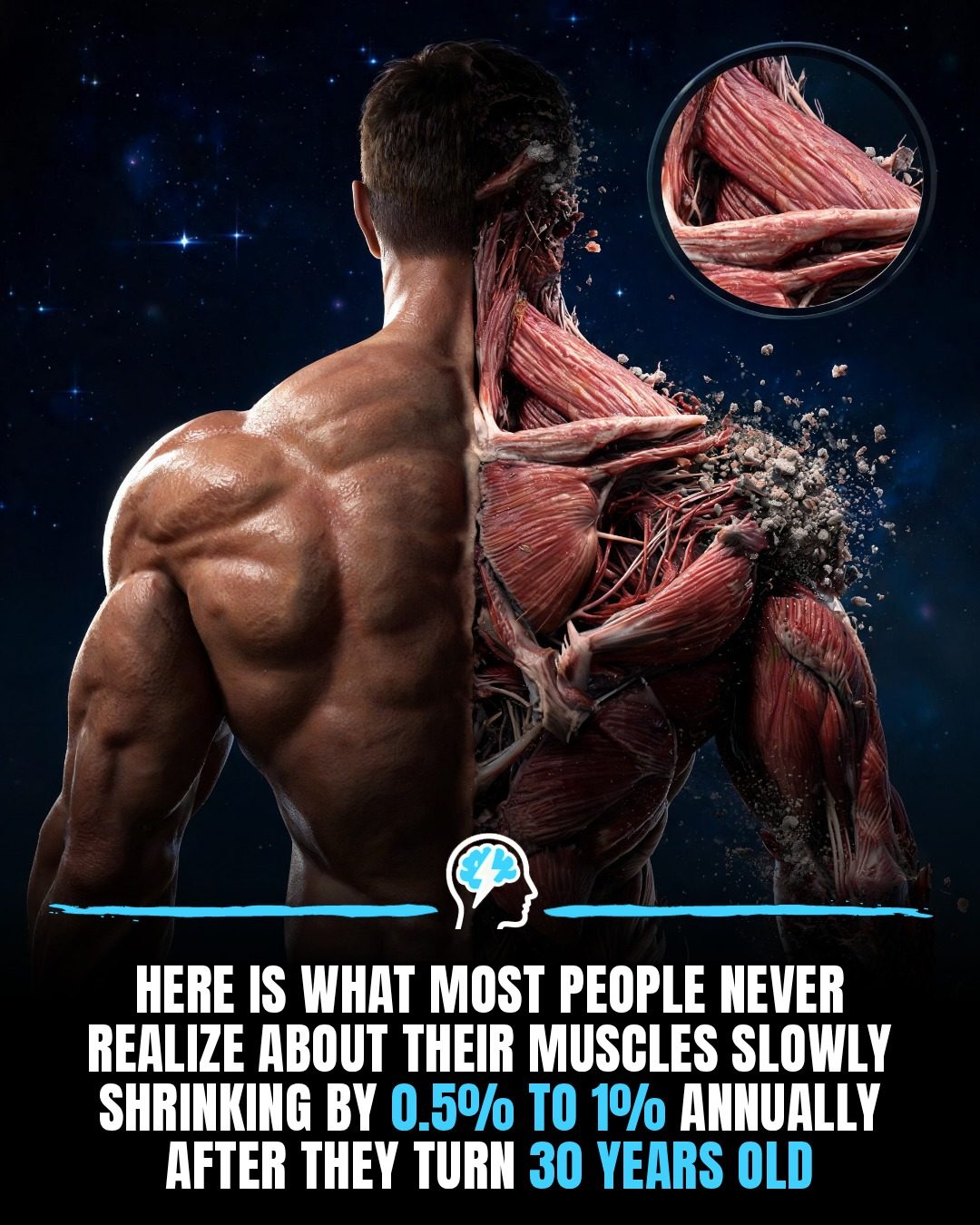
Muscle Loss with Age
Muscle loss, or sarcopenia, is a natural part of aging. After the age of 30, muscle mass begins to decline at a rate of about 0.5 to 1 percent every year. While this might seem like a small number, it can have significant long-term effects. Understanding the causes and consequences of this decline, as well as the steps that can be taken to mitigate it, is crucial for maintaining health and independence as we age.
Context: Why This Matters
Muscle loss with age affects everyone, regardless of their fitness level or lifestyle. As muscles shrink, so does their strength and power. This decline can lead to a decrease in energy levels and make everyday tasks more challenging. The consequences go beyond mere inconvenience—reduced muscle mass can also impact overall metabolic health, organ function, and bone density.
The Science Behind Muscle Loss
Protein Processing and Growth Hormone
As we age, the body becomes less efficient at processing the proteins that muscles need to repair and grow. This decline is compounded by a drop in growth hormone levels, which are essential for muscle maintenance and repair.
Nerve Signals and Muscle Function
The brain-to-muscle communication, or nerve signals, also weakens with age. This degradation leads to slower and less powerful muscle contractions, further contributing to the loss of muscle mass and strength.
Health Implications of Muscle Loss
Metabolism and Calorie Burning
Muscle tissue burns calories even at rest. As muscle mass decreases, so does the body's metabolic rate. This can lead to a slower metabolism, making it easier to gain fat, particularly around the organs.
Insulin Resistance and Organ Health
A slower metabolism and increased fat around the organs can lead to higher insulin resistance, which is a precursor to type 2 diabetes. This condition can further exacerbate the negative effects on overall health and well-being.
Bone Density and Balance
Muscle loss also affects bone density, increasing the risk of fractures. Additionally, weaker muscles can lead to worse balance and stability, making falls more likely and recovery more challenging.
Practical Tips to Combat Muscle Loss
Resistance Training
Engaging in resistance training a few times a week can help slow down and even reverse muscle loss. This type of exercise involves using weights or resistance bands to build and maintain muscle mass.
Protein Intake
Increasing daily protein intake can support muscle repair and growth. Protein-rich foods like lean meats, fish, eggs, dairy, and plant-based sources such as legumes and tofu are essential for maintaining muscle health.
Functional Movement
Functional movement exercises, which focus on movements that mimic everyday activities, can improve neuromuscular strength. These exercises help maintain the ability to move freely and perform daily tasks with ease.
Quality Sleep
Good sleep is crucial for the body to recover and rebuild muscle tissue. A consistent sleep schedule and adequate sleep duration can support overall muscle health and strength.
Important Takeaways
Understanding muscle loss with age and taking proactive steps to combat it is essential for maintaining long-term health and independence. By incorporating resistance training, increasing protein intake, engaging in functional movement, and prioritizing good sleep, you can slow down or even reverse the effects of sarcopenia. Remember, muscle maintenance isn't just about aesthetics; it's about preserving the ability to move freely and independently for decades to come.
Conclusion
Muscle loss is a natural part of aging, but it's not an inevitable decline. By understanding the science behind sarcopenia and taking practical steps to combat it, you can maintain muscle strength and health well into your later years. Prioritize resistance training, adequate protein intake, functional movement, and quality sleep to support your muscle health and overall well-being.
Questions readers ask
When does muscle loss typically begin?
Muscle loss, also known as sarcopenia, starts to occur after the age of 30. Initially, the decline is gradual, at about 0.5 to 1 percent per year, but it accelerates with advancing age.
What are the main symptoms of sarcopenia?
The primary symptoms of sarcopenia include a decrease in muscle strength and endurance, leading to reduced mobility, fatigue, and difficulty performing daily activities. Other signs can include a decrease in muscle size and increased weakness.
How does muscle loss affect overall health?
Muscle loss can have far-reaching effects on health, including reduced metabolic rate, decreased bone density, and even impaired organ function. It also increases the risk of falls and fractures, which can lead to a loss of independence.
What are some effective ways to maintain muscle mass as we age?
Regular strength training and resistance exercises are key to maintaining muscle mass. Incorporating a balanced diet rich in protein is also crucial, as are staying active and engaging in regular physical activity.
Can muscle loss be prevented or reversed?
While it's not possible to completely prevent muscle loss due to aging, it can be significantly slowed down or even reversed through targeted exercises and a healthy diet. Strength training programs for seniors have been shown to be particularly effective in preventing muscle loss.
How does aging affect strength and muscle health?
Aging leads to a progressive loss of muscle mass, which in turn reduces strength and power. This decline makes everyday tasks more challenging and can impact overall metabolic health, leading to a decrease in energy levels and increased fatigue.
Why is it important to address muscle loss in seniors?
Addressing muscle loss in seniors is crucial for maintaining their independence and quality of life. It helps prevent falls, fractures, and other age-related health issues, and ensures that seniors can continue to perform daily activities and maintain their overall health.
Related deep dives
Similar reads based on topic and creator.



Recent articles
Fresh deep dives from the latest Reels we unpacked.




Comments
Be the first to comment.