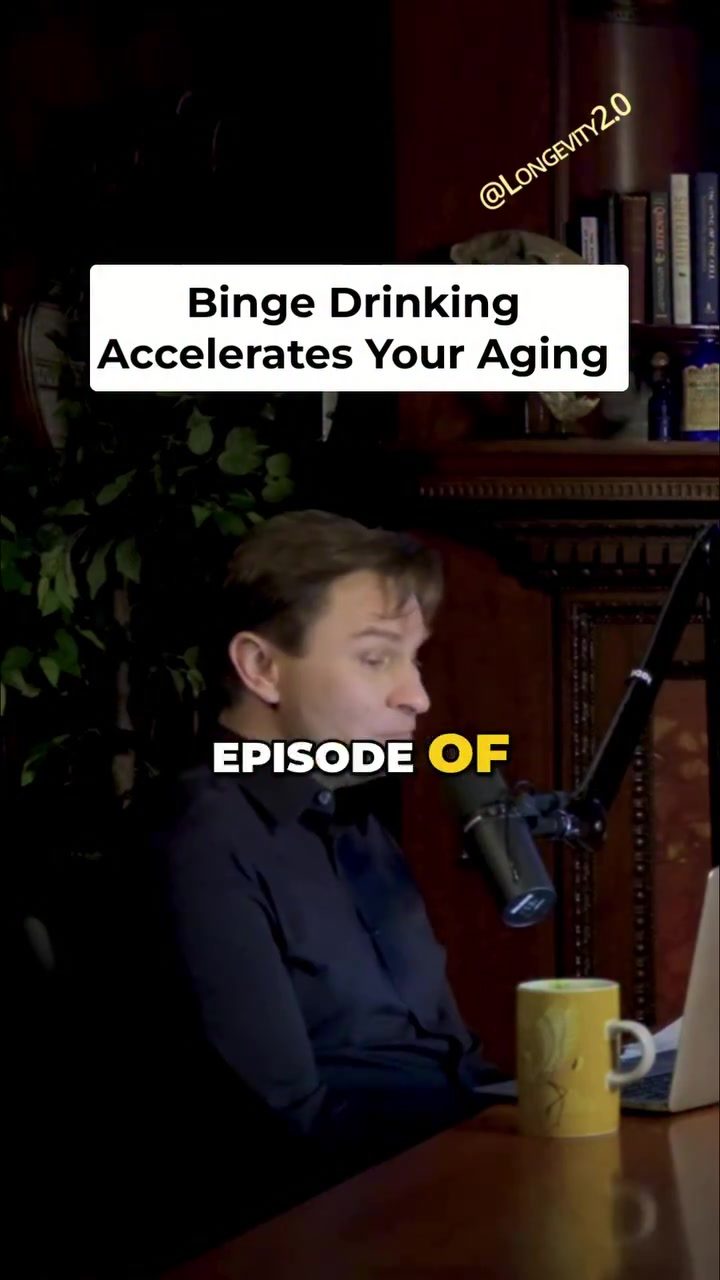
Binge Drinking and Biological Aging
Binge drinking is often seen as a rite of passage, particularly among younger adults. However, the consequences may go far deeper than the typical hangover. Recent research has shed light on the impact of binge drinking on biological aging, revealing that even a single episode can have significant effects.
Context / Why this matters
The effects of binge drinking extend beyond immediate symptoms like hangovers. According to Dr. David Sinclair, research indicates that just one episode of binge drinking—defined as consuming five or more drinks for men or four or more drinks for women within about two hours—can temporarily accelerate biological aging. This acceleration can manifest as a month and a half increase in biological age.
Understanding the impact of binge drinking on aging is crucial for several reasons. Firstly, it challenges the common belief that younger people are immune to the harmful effects of alcohol. Secondly, it highlights the importance of moderation and awareness, especially among college students and young adults who often engage in binge drinking.
Main Discussion
The Science Behind Binge Drinking and Aging
Research has shown that heavy alcohol consumption can lead to several health issues, including reduced brain volume over time, increased inflammation, changes in biological aging markers, poor sleep quality, and a higher long-term risk of chronic disease. Dr. David Sinclair emphasizes that while younger people may recover more quickly from alcohol consumption, being young doesn’t make you immune to its effects.
One episode of binge drinking was found to accelerate biological aging by 1.5 months. This acceleration, while temporary, suggests that repeated episodes can compound these effects, leading to more substantial and lasting changes in biological aging markers.
A visit to the University of Illinois, which has a student population of 40,000, illustrated the realities of binge drinking among young adults. The sight of widespread binge drinking before the eyes of the researcher was described as horrific. This observation underscores the prevalence of binge drinking in college environments and the potential for long-term health consequences.
The Biological Clock and Alcohol
The concept of a "biological clock" refers to the gradual accumulation of molecular and cellular damage that occurs as we age. Alcohol consumption, particularly in large quantities, can accelerate this process. This means that even young individuals who engage in binge drinking may be experiencing accelerated aging, albeit in a less noticeable way.
Alcohol and the Brain
One of the most concerning impacts of binge drinking is its effect on the brain. Studies have linked heavy alcohol consumption to reduced brain volume over time. This reduction can affect cognitive functions, memory, and overall brain health. Moreover, excessive drinking can lead to poor sleep quality, which further exacerbates the negative effects on the brain and overall health.
Practical Tips
If you choose to drink, how much and how often matters. Here are some practical tips to mitigate the risks associated with alcohol consumption:
- Moderation: Limit your alcohol intake to moderate levels. For men, this means no more than two drinks per day, and for women, no more than one drink per day.
- Avoid Binge Drinking: Try to avoid consuming more than five drinks in a single occasion if you're a man, or more than four drinks if you're a woman.
- Stay Hydrated: Drink plenty of water to help your body process the alcohol more efficiently.
- Eat Before Drinking: Consuming food before drinking can slow down the absorption of alcohol, reducing its impact on your body.
Dr. Sinclair emphasizes the importance of reducing binge drinking to protect long-term brain and metabolic health. Longevity isn’t built by avoiding one bad night; it’s built by the habits you repeat for years. By making conscious choices about alcohol consumption, you can support your body's natural aging processes and maintain better overall health.
Important Takeaways
Accelerated Aging
Even a single episode of binge drinking can temporarily accelerate biological aging. This acceleration can lead to long-term health consequences, including reduced brain volume, increased inflammation, and a higher risk of chronic disease.
Young People Are Not Immune
Young people may recover more quickly from the immediate effects of alcohol, but they are not immune to its long-term impacts. Engaging in binge drinking can still accelerate the biological aging process, even in younger individuals.
Moderation Matters
To maintain long-term brain and metabolic health, it's essential to drink in moderation and avoid binge drinking. By making conscious choices about alcohol consumption, you can support your body's natural aging processes and maintain better overall health.
Long-Term Health
Longevity is built by the habits you repeat for years, not by avoiding one bad night. Consistent, mindful choices about alcohol consumption can have a significant impact on long-term health and aging.
Conclusion
The connection between binge drinking and accelerated biological aging underscores the importance of making informed choices about alcohol consumption. By understanding the impacts of binge drinking and adopting healthier habits, you can support your body's natural aging processes and maintain better overall health. Whether you're a young adult or an older individual, being mindful of your alcohol intake can contribute to a longer, healthier life.
Questions readers ask
What is considered binge drinking?
Binge drinking is defined as consuming five or more drinks for men or four or more drinks for women within about two hours. This pattern of drinking is common among younger adults and can lead to immediate and long-term health impacts.
Can a single episode of binge drinking affect my health?
Yes, even a single episode of binge drinking can have measurable effects on your health. Research shows that it can temporarily accelerate biological aging, making you age faster for a short period.
Why is moderation important when it comes to alcohol consumption?
Moderation is key because it helps to mitigate the harmful effects of alcohol. Binge drinking, even occasionally, can have serious consequences, including accelerated aging and other health risks. By drinking in moderation, you can enjoy alcohol responsibly and reduce potential harm.
How does binge drinking impact college students specifically?
College students are particularly vulnerable to the effects of binge drinking due to their tendency to engage in this behavior more frequently, and the timing of heavy drinking has been linked to accelerated aging. It's important for students to be aware of the risks and practice moderation.
What are the long-term effects of binge drinking on biological aging?
While the effects of a single episode of binge drinking on biological aging are temporary, frequent binge drinking can have cumulative effects that may lead to longer-term health issues. Regular binge drinking can accelerate the aging process and increase the risk of age-related diseases.
Can the effects of binge drinking be reversed?
The temporary effects of a single episode of binge drinking on biological aging can be reversed over time as the body recovers. However, frequent binge drinking can lead to more persistent changes in the body, so it's important to limit alcohol intake and practice moderation to minimize long-term harm.
How does binge drinking affect longevity?
Frequent binge drinking can impact longevity by accelerating the aging process and increasing the risk of various health issues. While a single episode may not significantly affect lifespan, regular binge drinking can contribute to a shorter, less healthy life. Moderation in drinking is crucial for maintaining overall health and longevity.
Related deep dives
Similar reads based on topic and creator.




Recent articles
Fresh deep dives from the latest Reels we unpacked.




Comments
Be the first to comment.