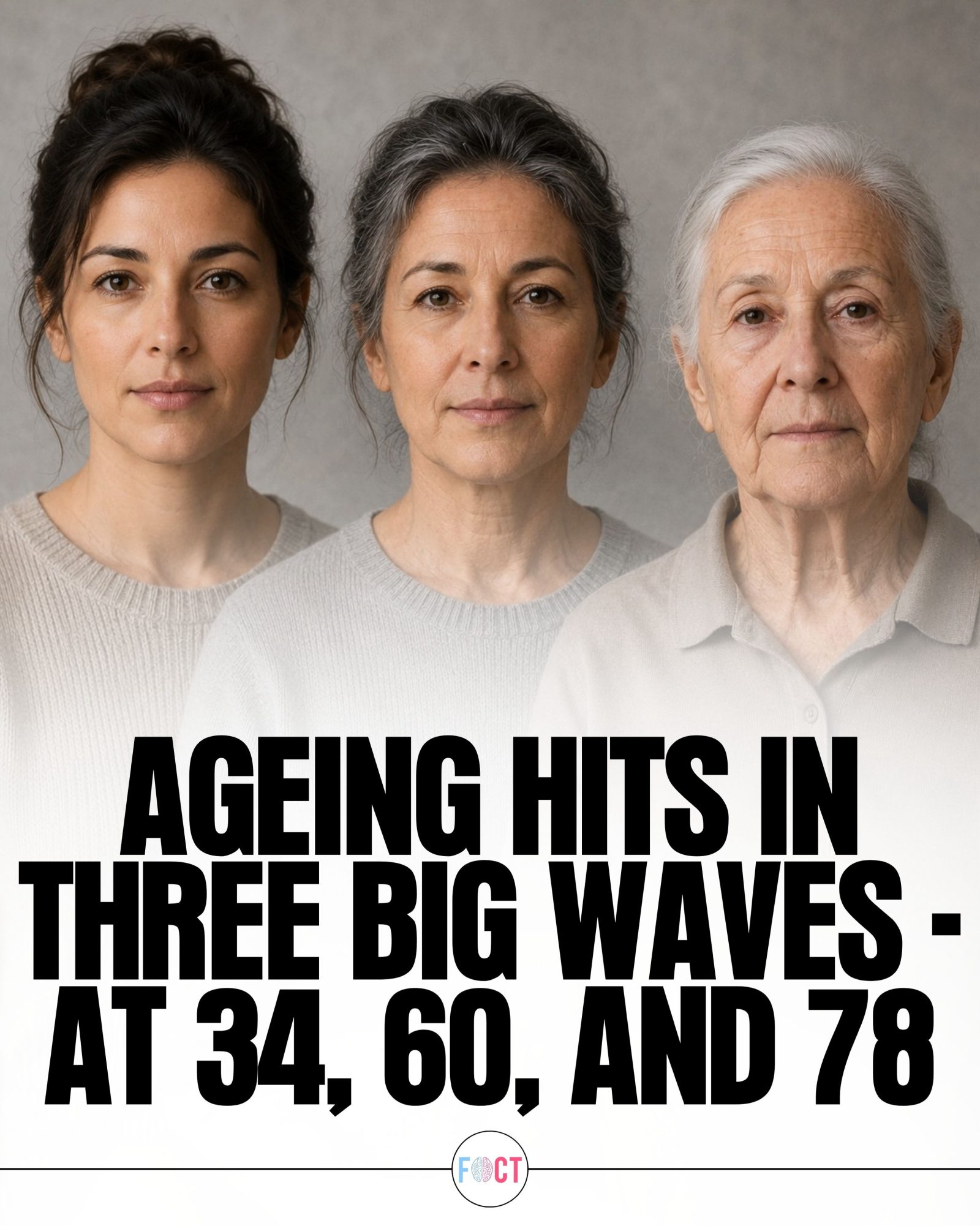
Ageing and Three Big Waves
Ageing is a complex process. It's not merely a slow, steady decline, but rather a series of dramatic biological shifts. This phenomenon has been substantiated by research from Nature Medicine and Stanford University, which pinpointed significant changes in blood protein levels at ages 34, 60, and 78.
Why This Matters
Understanding the patterns of ageing can revolutionise health and wellness strategies. By identifying these key milestones, researchers and health professionals can develop more targeted interventions. These insights can fundamentally impact anti-ageing science, helping individuals better prepare for and manage the changes that come with age.
The Science Behind the Waves
The Study and Its Findings
The study, published in Nature Medicine, challenges the traditional view of ageing as a gradual process. Instead, it highlights three distinct phases where dramatic biological shifts occur. These shifts are marked by sudden changes in blood protein levels, which act as indicators of the body's overall ageing process.
The Biological Shifts
-
Age 34: This marks the first major wave of ageing. Individuals may experience changes in metabolism, immune function, and hormonal balances. These shifts can manifest as increased susceptibility to stress, changes in sleep patterns, and variations in energy levels.
-
Age 60: The second wave hits around the age of 60. This phase is characterised by more pronounced changes in organ function, bone density, and muscle mass. Individuals may experience decreased cardiovascular health, changes in skin elasticity, and increased risks of age-related diseases.
-
Age 78: The final wave occurs around 78. By this age, the body undergoes significant changes in cognitive function, sensory abilities, and overall mobility. This phase is often marked by increased risks of neurodegenerative diseases and a heightened sensitivity to environmental stressors.
How This Impacts Anti-Ageing Strategies
Personalised Health Plans
Knowing that ageing hits in three major waves can help individuals and health professionals tailor personalised health plans. These plans can focus on preventive measures, such as lifestyle adjustments, nutritional supplements, and regular health screenings, to mitigate the impacts of each wave.
Early Intervention and Monitoring
Early detection of these biological shifts can lead to proactive healthcare management. Regular monitoring of blood protein levels and other biomarkers can help identify when an individual is approaching one of these critical ages. This information can be used to implement early interventions, such as dietary changes, exercise regimens, and stress management techniques.
Role of Nutrition and Lifestyle
Nutrition and lifestyle play pivotal roles in managing the impacts of these ageing waves. A balanced diet rich in antioxidants, vitamins, and minerals can help slow down the ageing process. Regular physical activity, mental stimulation, and adequate sleep are also crucial for maintaining overall health and well-being during these critical periods.
The Potential for Anti-Ageing Therapies
The findings from this study also open up new avenues for anti-ageing therapies. Researchers can focus on developing treatments that target the specific biological changes occurring at these ages. These therapies could range from pharmaceutical interventions to regenerative medicine, offering new hope for longevity and healthy ageing.
Practical Tips for Navigating the Waves
Age 34
- Manage Stress: Practice stress-reduction techniques such as meditation, yoga, or deep breathing exercises.
- Maintain a Healthy Diet: Focus on consuming foods rich in antioxidants and omega-3 fatty acids.
- Stay Active: Engage in regular physical activity to maintain muscle mass and bone density.
Age 60
- Regular Check-ups: Schedule regular health screenings to monitor cardiovascular health, bone density, and organ function.
- Balanced Nutrition: Focus on a diet rich in calcium, vitamin D, and lean proteins to support bone and muscle health.
- Stay Mentally Active: Engage in activities that stimulate the mind, such as reading, puzzles, or learning new skills.
Age 78
- Cognitive Health: Incorporate mental exercises and social activities to maintain cognitive function.
- Physical Activity: Engage in low-impact exercises, such as swimming or walking, to maintain mobility and flexibility.
- Nutritional Supplements: Consider supplements to support overall health and well-being, such as vitamin D, calcium, and omega-3 fatty acids.
Important Takeaways
- Ageing in Waves: Instead of a slow, steady decline, ageing occurs in distinct phases characterised by dramatic biological shifts.
- Key Milestones: The most significant shifts occur around ages 34, 60, and 78, marked by changes in blood protein levels.
- Personalised Health: Tailored health plans can help mitigate the impacts of these biological shifts, focusing on lifestyle adjustments, nutrition, and early interventions.
- Research and Therapies: The study opens new possibilities for anti-ageing therapies and treatments, offering hope for longevity and healthy ageing.
Conclusion
Ageing is a multi-faceted process that requires a nuanced understanding to navigate effectively. By recognising the three big waves of ageing at 34, 60, and 78, individuals can take proactive steps to manage their health. Personalised health plans, early intervention, and a focus on nutrition and lifestyle can significantly improve the journey through these critical phases. This knowledge not only empowers individuals but also paves the way for groundbreaking research and therapies in anti-ageing science.
Questions readers ask
What are the three key ageing milestones identified by the Nature Medicine study?
The three key ageing milestones identified are at ages 34, 60, and 78. These ages are marked by significant changes in blood protein levels, which in turn affect various aspects of health, including metabolism and organ function.
What specific changes occur at the age of 34?
At 34, individuals experience notable shifts in blood protein levels that can influence metabolism and overall health. These changes are part of the body's transition into a new biological phase, and understanding them can help in tailoring health strategies.
How do the biological changes at age 60 affect the body?
At 60, there are significant biological changes that can impact organ function and metabolism. These shifts are crucial for preparing for age-related health transitions and making informed decisions about lifestyle and medical interventions.
What kind of health transitions occur at the age of 78?
At 78, individuals undergo health transitions that affect cognitive function and overall well-being. These transitions are marked by notable shifts in blood proteins, making it essential to have targeted health strategies in place.
How can understanding these ageing milestones benefit individuals?
Understanding these milestones can help individuals better prepare for and manage the changes that come with age. By developing targeted health strategies, individuals can enhance their well-being and improve their quality of life as they age.
What role do blood proteins play in the ageing process?
Blood proteins serve as markers for the biological changes that occur during specific ageing milestones. These proteins influence metabolism, organ function, and cognition, making them crucial indicators for assessing and managing age-related health transitions.
What are the potential implications of this research for future health strategies?
This research can revolutionise health and wellness strategies by providing a clearer understanding of the ageing process. With these insights, researchers and health professionals can develop more targeted interventions, helping individuals better navigate the challenges of ageing.
Related deep dives
Similar reads based on topic and creator.



Recent articles
Fresh deep dives from the latest Reels we unpacked.




Comments
Be the first to comment.