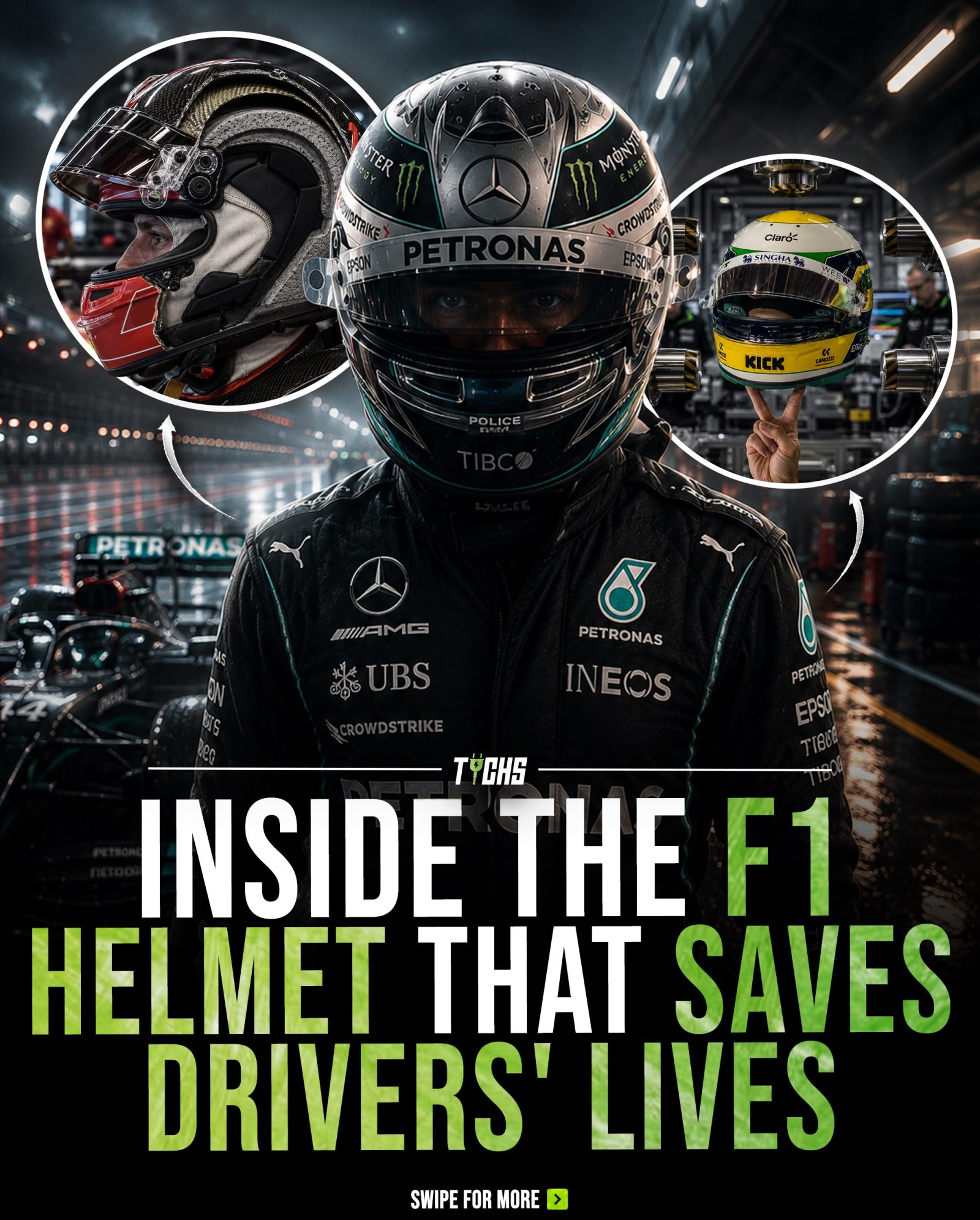
Formula 1 Racing Helmets: Advanced Safety Design and Manufacturing
Formula 1 racing helmets are among the most advanced and rigorously tested pieces of safety equipment in motorsport. Weighing around 1.3 kg, these helmets are constructed from over a dozen layers of carbon fiber, Kevlar, and advanced composite materials. Their design and manufacturing processes ensure that they can withstand extreme impacts and protect drivers during high-speed crashes.
Why This Matters
Motorsport, particularly Formula 1, is known for its high-speed races and the inherent risks involved. Drivers often face collisions that can exceed hundreds of kilometers per hour. The helmet is a critical piece of safety equipment that can make the difference between life and death. Understanding the advanced design and manufacturing processes of these helmets provides insight into the engineering marvels that keep drivers safe.
Main Discussion
The Construction and Materials
The construction of an F1 helmet is a testament to modern engineering. F1 helmets are built from multiple layers of carbon fiber, Kevlar, and advanced composite materials. Carbon fiber provides exceptional strength-to-weight ratio, making the helmet incredibly durable while keeping it lightweight. Kevlar, a synthetic fiber known for its high tensile strength, adds an extra layer of protection. Advanced composite materials further enhance the helmet's ability to absorb and distribute impact forces.
Safety Testing and Standards
Every FIA-approved helmet must undergo rigorous testing to ensure it meets the highest safety standards. One of the most demanding tests involves firing a 225-gram metal projectile at the visor at 250 km/h. This simulates high-speed debris impact and ensures that the visor can withstand such forces without compromising visibility.
The Visor: A Critical Component
The 3 mm laminated polycarbonate visor is another critical component of the helmet. It is engineered to withstand high-speed impacts, ensuring that the driver's vision remains unobstructed even in the most challenging conditions. The visor's design allows for clear visibility in rain, darkness, and changing track conditions, which is essential for drivers navigating high-speed races.
Manufacturing Techniques
The manufacturing process of F1 helmets involves aerospace-grade techniques and high-pressure curing. These methods ensure that the helmet shell achieves exceptional strength while remaining incredibly lightweight. Precision engineering is crucial in creating a helmet that can withstand the extreme forces of a high-speed crash. The manufacturing process also includes rigorous quality control measures to ensure that every helmet meets the stringent safety standards set by the FIA.
Protecting Drivers in Extreme Conditions
F1 helmets are designed to protect drivers during crashes that can exceed hundreds of kilometers per hour. The lightweight yet robust construction, combined with advanced materials and rigorous testing, makes these helmets one of the most reliable safety systems in motorsport. The visor's design ensures that drivers can maintain clear visibility in various track conditions, further enhancing their safety.
Practical Tips
Choosing the Right Helmet
For amateur racers or enthusiasts looking to get into motorsports, choosing the right helmet is crucial. Look for helmets that are certified by recognized safety organizations, such as the FIA. These certifications ensure that the helmet has undergone rigorous testing and meets high safety standards.
Maintenance and Care
Regular maintenance and care are essential to ensure that the helmet remains effective. Inspect the helmet for any signs of damage after each use. Replace the helmet if it has been involved in a crash, as even minor impacts can compromise its structural integrity. Store the helmet in a cool, dry place away from direct sunlight to prevent material degradation.
Upgrading Safety Features
Consider upgrading safety features such as the visor and padding. High-quality visors and padding can enhance visibility and comfort, which are essential for long races. Look for visors that offer anti-fog and scratch-resistant coatings, and padding that provides a comfortable and secure fit.
Important Takeaways
- F1 helmets are constructed from advanced materials like carbon fiber and Kevlar, providing exceptional strength and lightweight design.
- Rigorous safety testing, including extreme impact simulations, ensures that these helmets meet the highest safety standards.
- The visor is designed to withstand high-speed impacts without compromising visibility in various track conditions.
- Precision engineering and aerospace-grade manufacturing techniques are used to create robust and lightweight helmet shells.
- Proper maintenance, regular inspections, and timely replacements are crucial for ensuring the helmet's effectiveness.
Conclusion
F1 helmets represent the pinnacle of safety engineering in motorsport. Their advanced construction, rigorous testing, and precision manufacturing ensure that they can protect drivers in some of the most extreme conditions. Understanding these helmets provides a deeper appreciation for the technology and engineering that go into keeping drivers safe on the track. Whether you are a motorsport enthusiast or a professional racer, knowing the intricacies of F1 helmets can enhance your understanding and appreciation for this critical piece of safety equipment.
Questions readers ask
What materials are Formula 1 helmets primarily made from?
Formula 1 helmets are primarily made from a combination of carbon fiber, Kevlar, and advanced composite materials. These materials are chosen for their exceptional strength and lightweight properties, which are crucial for withstanding the extreme forces experienced in high-speed collisions.
How much do Formula 1 helmets typically weigh?
Formula 1 helmets are designed to be incredibly lightweight, typically weighing around 1.3 kg. This minimal weight is achieved through the use of advanced materials and manufacturing techniques, ensuring that the helmet does not hinder the driver's performance while providing maximum protection.
What kind of testing do Formula 1 helmets undergo?
Formula 1 helmets undergo rigorous testing to ensure they can withstand the extreme impacts of high-speed crashes. This includes a variety of tests that simulate different collision scenarios, impact angles, and speeds, ensuring that the helmets meet the highest safety standards.
Why is the design of an F1 helmet so important?
The design of a Formula 1 helmet is crucial because it needs to protect drivers from severe impacts while also being lightweight and comfortable. The helmet's design takes into account the aerodynamic forces, the driver's visibility, and the need for optimal communication and ventilation systems.
What are some key safety features of a Formula 1 helmet?
Key safety features of a Formula 1 helmet include a robust shell constructed from multiple layers of advanced materials, integrated emergency release systems for quick removal in case of an accident, and advanced ventilation systems to keep the driver cool and comfortable during races. Additionally, the helmets often include communication systems for team communication.
How does the manufacturing process of a Formula 1 helmet differ from regular helmets?
The manufacturing process of a Formula 1 helmet involves multiple stages of precision engineering and quality control. It includes layering advanced materials, molding them into a lightweight yet strong shell, and integrating various safety and communication systems. This process ensures that each helmet meets the stringent safety standards required for high-speed racing.
What role do carbon fiber and Kevlar play in the safety of Formula 1 helmets?
Carbon fiber and Kevlar are essential components in the construction of Formula 1 helmets. Carbon fiber provides exceptional strength and rigidity, while Kevlar offers high impact resistance and flexibility. Together, these materials contribute to the helmet's ability to absorb and dissipate the energy from high-speed collisions, significantly enhancing the driver's safety.
Related deep dives
Similar reads based on topic and creator.



Recent articles
Fresh deep dives from the latest Reels we unpacked.




Comments
Be the first to comment.