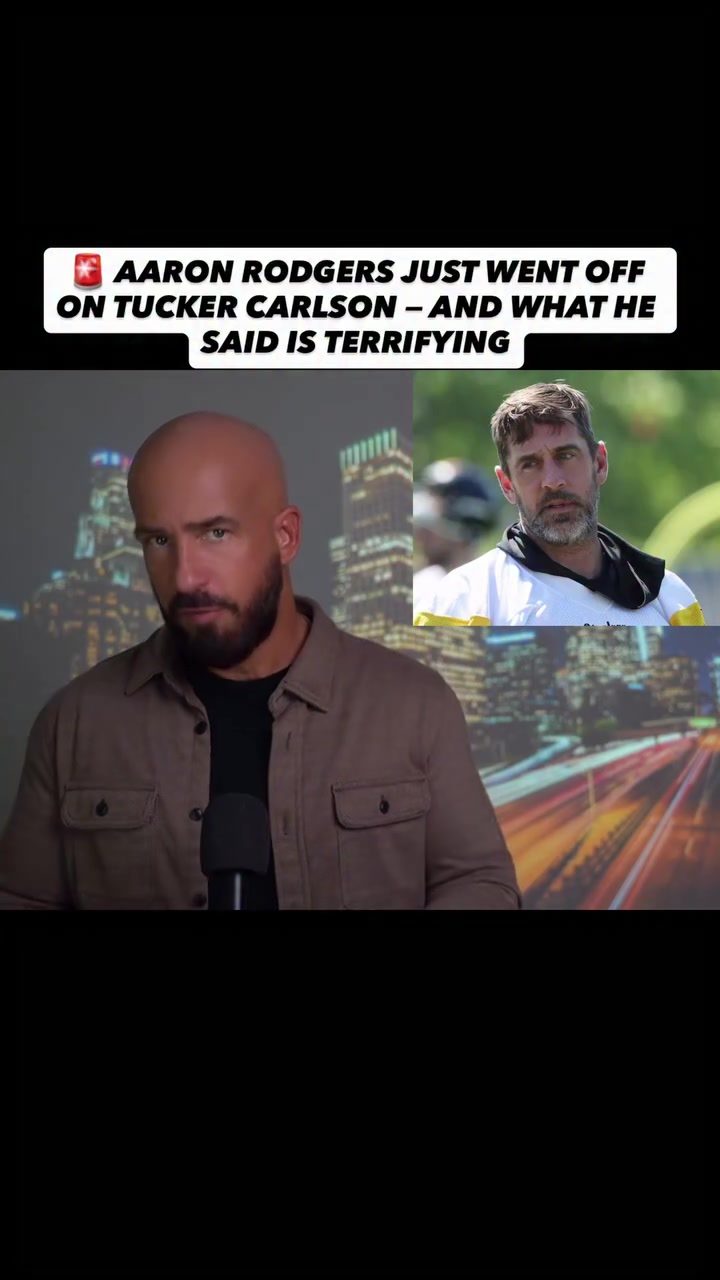
NFL Quarterback Aaron Rodgers Highlights Surveillance Concerns
Context / Why This Matters
As a high-profile public figure, NFL quarterback Aaron Rodgers has the platform to address important societal issues. His recent comments on the Tucker Carlson show have sparked discussions about privacy, surveillance, and the potential future of government control.
Main Discussion
The Current State of Surveillance
Aaron Rodgers opened up about his concerns regarding the current state of surveillance, emphasizing the widespread use of cameras and monitoring devices. He called for a reduction in the number of cameras and surveillance equipment, particularly in private spaces like homes and personal devices. Rodgers’ concerns stem from the potential misuse of this data, which could lead to a loss of privacy.
The Chinese Social Credit System
Rodgers drew parallels between the current state of surveillance and the social credit system used in China. In this system, individuals are monitored and scored based on their behavior, which can affect their ability to access services, travel, and even basic necessities. Rodgers warned that without vigilance, similar systems could become a reality in other countries as well.
The Gradual Creep of Surveillance
One of the most alarming aspects of Rodgers’ comments was his observation that surveillance is increasing gradually and subtly. He pointed out that people may not notice the incremental changes until it is too late. This slow creep could lead to a future where individuals are forced to comply with surveillance measures, such as implanting chips in their hands or having every aspect of their lives monitored.
The 1984 Scenario
Rodgers compared the current trajectory of surveillance to George Orwell’s dystopian novel "1984." In this scenario, individuals are constantly watched and controlled through surveillance technology, leading to a loss of individuality and freedom.
The Role of Ed Snowden and the "I Have Nothing to Hide" Argument
Aaron Rodgers has been a vocal supporter of Edward Snowden, the whistleblower who exposed mass surveillance programs. Rodgers criticized the commonly held belief that "I have nothing to hide," arguing that privacy is a fundamental right that should be protected, regardless of whether an individual has something to hide.
The Ministry of Truth
Rodgers highlighted the potential for a "Ministry of Truth," where government entities control the narrative and censor information. He pointed out that such organizations can lead to the suppression of free speech and the categorization of certain viewpoints as misinformation.
The Future of Surveillance and Control
Rodgers painted a bleak picture of a future where technology could be used to monitor every aspect of a person's life, from their physical health to their online activities. He warned that without resistance, such a future could become a reality, leading to total control and obedience.
Practical Tips
Protecting Your Privacy
- Be Mindful of Surveillance: Be aware of the cameras and tracking devices around you. Limit the use of devices that may be tracking your data.
- Secure Your Devices: Use passwords, encryption, and other security measures to protect your personal information.
- Advocate for Privacy: Join organizations and movements that advocate for digital privacy and civil liberties.
- Stay Informed: Educate yourself about the latest developments in surveillance technology and government policies that affect privacy.
Important Takeaways
- Gradual Increase in Surveillance: Surveillance is increasing gradually and subtly, and people may not notice the changes until it is too late.
- Importance of Privacy: Privacy is a fundamental right that should be protected, regardless of whether an individual has something to hide.
- Potential for Total Control: Without resistance, surveillance technology could lead to total control and obedience.
- Role of Public Figures: Public figures like Aaron Rodgers can play a crucial role in raising awareness about surveillance and privacy issues.
Conclusion
Aaron Rodgers’ comments on Tucker Carlson’s show highlight the growing concerns about surveillance and privacy. His warnings about the gradual increase in surveillance, the potential for a social credit system, and the role of public figures in advocating for privacy are important for anyone who values civil liberties. By being mindful of surveillance, securing personal devices, and advocating for privacy, individuals can help protect their rights and resist the gradual creep of total control.
Questions readers ask
Why did Aaron Rodgers compare the current state of surveillance to George Orwell’s 1984?
Aaron Rodgers drew a parallel between the current state of surveillance and George Orwell’s 1984 to highlight the potential for a dystopian future where privacy is constantly invaded and personal freedoms are eroded. He believes that unchecked surveillance could lead to a society where people are constantly monitored and controlled, much like the totalitarian regime depicted in Orwell’s novel.
What specific measures has Aaron Rodgers suggested to combat surveillance?
Aaron Rodgers has publicly advocated for a reduction in the number of cameras and surveillance devices, especially in private spaces such as homes and personal devices.
What are the potential dangers of uncontrolled surveillance according to Aaron Rodgers?
According to Aaron Rodgers, the primary danger of uncontrolled surveillance is the potential misuse of personal data, which could lead to invasions of privacy and erosion of personal freedoms. He believes that this data could be used to control and manipulate individuals, leading to a total control society.
What role does Aaron Rodgers believe public figures play in raising awareness about surveillance?
As a high-profile public figure, Aaron Rodgers recognizes the importance of using his platform to bring attention to critical issues like surveillance. He believes that raising awareness can help to spark discussions and encourage people to take action against the creeping encroachment of surveillance technologies into daily life.
What was the context behind Aaron Rodgers' warnings on the Tucker Carlson show?
Aaron Rodgers' comments on the Tucker Carlson show were part of a broader discussion about privacy, surveillance, and the potential future of government control. By addressing these issues in a public forum, Rodgers aimed to inform and alert his audience to the consequences of unchecked surveillance and the need for vigilance.
How does Aaron Rodgers view the current trajectory of surveillance technology?
Aaron Rodgers views the current trajectory of surveillance technology as alarming and potentially dangerous. He believes that without proper checks and balances, the widespread use of surveillance devices and monitoring technologies could lead to a future where individuals have little to no privacy, and where personal freedoms are constantly under threat.
What steps can individuals take to protect themselves from surveillance according to Aaron Rodgers?
While Aaron Rodgers’ statements focus on raising awareness, individuals can take steps such as minimizing the use of devices with built-in cameras and microphones, being cautious about what personal information they share online, and advocating for stronger privacy laws and regulations to protect their data from misuse.
Related deep dives
Similar reads based on topic and creator.




Recent articles
Fresh deep dives from the latest Reels we unpacked.




Comments
Be the first to comment.