Robot Malfunctions: Learning from a Live Demo Incident
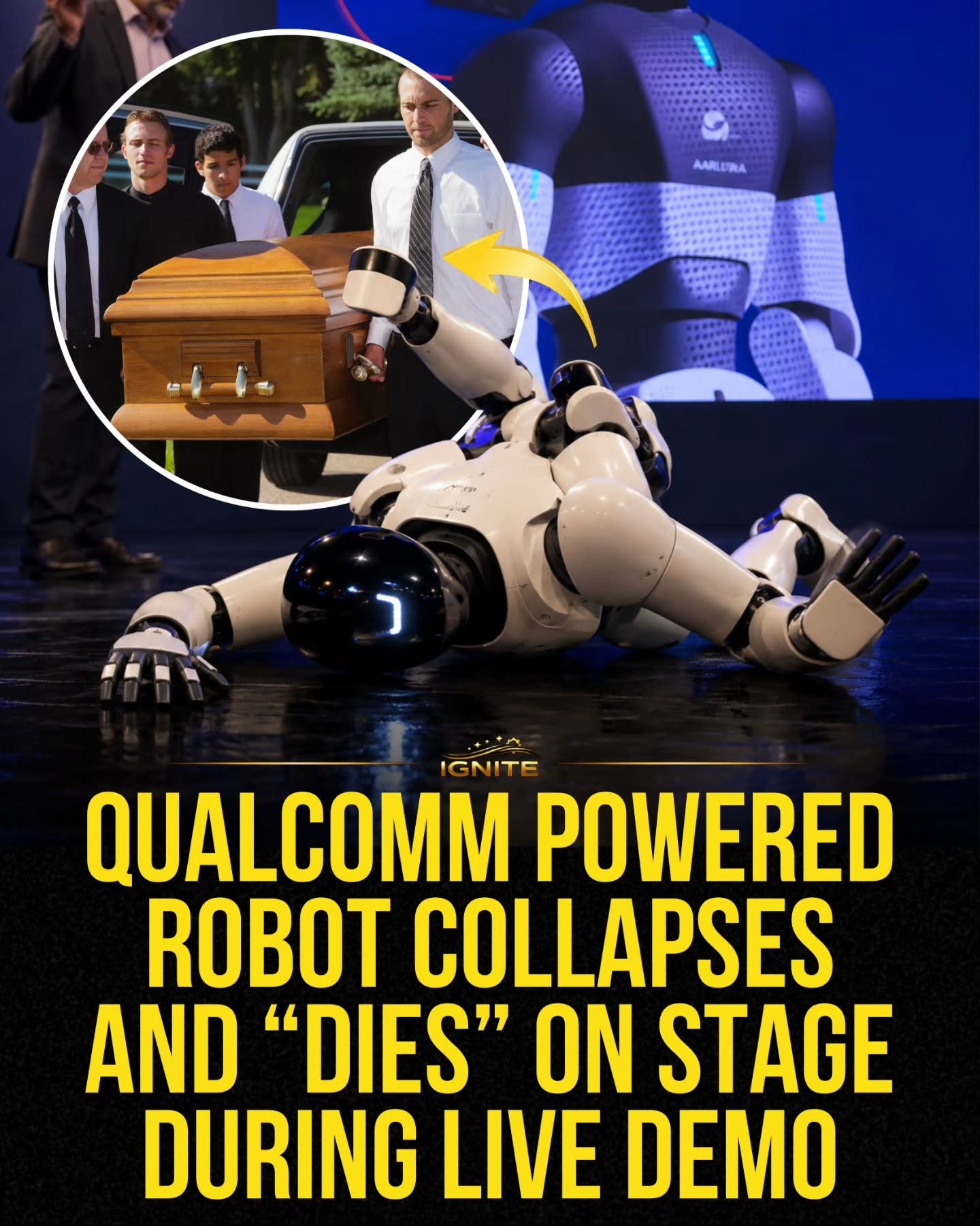
Robots have long been a staple of futuristic dreams, but even the most advanced machines can face unexpected challenges. In a live demonstration by AARLCOMM, a robot powered by QUALCOMM technology experienced a malfunction, collapsing on stage in front of an audience. The incident, though dramatic, offers valuable insights into the complexities of robotics and the importance of preparedness in public demonstrations.
Context / Why This Matters
In the rapidly advancing field of robotics, live demonstrations are crucial for showcasing new technologies and building trust with stakeholders. However, these events can also be high-stakes, with the potential for significant public scrutiny in the event of a failure. The incident involving the AARLCOMM robot underscores the need for robust testing, contingency planning, and effective crisis management in robotic demonstrations.
Main Discussion
The Incident
The incident occurred during a staged event where the AARLCOMM robot, powered by QUALCOMM technology, was expected to perform a live demonstration. Unfortunately, the robot collapsed on stage, with a coffin visible in the background, adding a theatrical element to the unexpected malfunction. The dramatic nature of the incident, described as a "death" on stage, highlights the complexities of integrating advanced technology in public settings.
Theatrical Element
The presence of a coffin in the background suggests that the demonstration was designed to have a dramatic flair. While the specific intent behind this staging is unclear, it adds an intriguing layer to the event. Theatrical elements are occasionally used in tech demos to enhance the audience's experience and create a more engaging and memorable event. However, such elements need careful handling, as they can also amplify the impact of any malfunctions or failures.
Robotic Performance and Failure
The AARLCOMM robot, powered by QUALCOMM technology, is a testament to the advancements in robotic engineering. However, the incident serves as a reminder that even the most sophisticated technologies are not immune to failure. Robotic performance relies on a multitude of factors, including mechanical integrity, software reliability, and environmental conditions. A comprehensive understanding of these factors is essential for ensuring smooth and successful demonstrations.
Environmental and Mechanical Factors
Robots operate within complex environments, and live demonstrations exacerbate the challenges. Mechanical failures, software glitches, and environmental factors such as temperature, humidity, and stage conditions can all play a role in the performance of a robot. For example, the stage conditions, including the presence of a coffin, could have influenced the mechanical stability of the robot, leading to its collapse.
Practical Tips
Robust Testing
Thorough testing is crucial for any robotic demonstration. This includes not only technical testing of the robot's components and software but also environmental testing to simulate the conditions of the demonstration. Robust testing helps identify potential issues before they occur in a live setting, reducing the risk of malfunctions.
Contingency Planning
Even with thorough testing, malfunctions can still occur. Contingency planning is essential for managing such situations effectively. This involves having backup plans, alternative demonstration scenarios, and a crisis management strategy in place. The incident involving the AARLCOMM robot underscores the importance of being prepared for the unexpected.
Engaging the Audience
Theatrical elements can enhance audience engagement, but they must be used judiciously. Incorporating such elements requires careful consideration of their potential impact on the demonstration and the robot's performance. Clear communication with the audience about the nature of the demonstration and the possibility of unexpected outcomes can help manage expectations and reduce the impact of any malfunctions.
Important Takeaways
The incident involving the AARLCOMM robot offers several key takeaways for the field of robotics and live demonstrations:
- Testing is Crucial: Comprehensive testing, including environmental and mechanical factors, is essential for ensuring a successful demonstration.
- Contingency Plans: Always have contingency plans and a crisis management strategy in place to handle unexpected malfunctions.
- Engaging Elements: Theatrical elements can enhance audience engagement but must be used with caution and a clear understanding of their potential impact.
Conclusion
The live demonstration by AARLCOMM, where a robot powered by QUALCOMM technology malfunctioned on stage, serves as a reminder of the complexities and challenges inherent in the field of robotics. By focusing on robust testing, contingency planning, and thoughtful engagement strategies, the industry can continue to advance and deliver compelling demonstrations that capture the public's imagination while mitigating the risks of unexpected failures.
Questions readers ask
What caused the AARLCOMM robot to malfunction during the live demo?
The exact cause of the AARLCOMM robot malfunction is not detailed, but such incidents can often be attributed to unforeseen technical issues, software glitches, or hardware failures. Understanding the specific cause is crucial for improving future performances and preventing similar incidents.
How did AARLCOMM handle the robot malfunction during the live event?
The article does not provide specific details on how AARLCOMM handled the crisis, but effective crisis management in such situations typically involves acknowledging the issue, assuring the audience that safety measures are in place, and outlining steps for resolution. Public relations and transparency are key components of effective crisis management.
Why are live demonstrations important in the field of robotics?
Live demonstrations are vital for showcasing the latest advancements in robotics, building trust with stakeholders, and generating public interest. They provide a platform for companies to highlight the capabilities of their technologies and foster confidence in their products and services.
What lessons can be learned from the AARLCOMM robot malfunction?
The incident underscores the significance of thorough preparation and crisis management. Companies should conduct extensive testing, have backup plans, and be ready to address any issues that may arise during public demonstrations. It also highlights the need for safety protocols during live demos.
How can companies prepare for potential robot malfunctions during live demos?
Companies can prepare by conducting rigorous testing in various scenarios, having redundant systems in place, and developing a crisis management plan. This includes training staff on how to handle unexpected situations and ensuring that safety protocols are in place to protect both the audience and the robotic equipment.
What role does QUALCOMM technology play in the AARLCOMM robot?
QUALCOMM technology is integral to the functionality of the AARLCOMM robot, providing advanced capabilities such as connectivity, processing power, and sensor integration. The malfunction highlights the potential vulnerabilities in such systems, underlining the need for robust and reliable technology.
How can the public benefit from understanding the intricacies of robotics through such incidents?
Understanding robotics can empower the public to engage more critically with emerging technologies. It helps individuals appreciate the complexity of robotics and the importance of safety and reliability in these systems, fosters a more informed public discussion, and encourages innovation in the field.
Related deep dives
Similar reads based on topic and creator.




Recent articles
Fresh deep dives from the latest Reels we unpacked.




Comments
Be the first to comment.