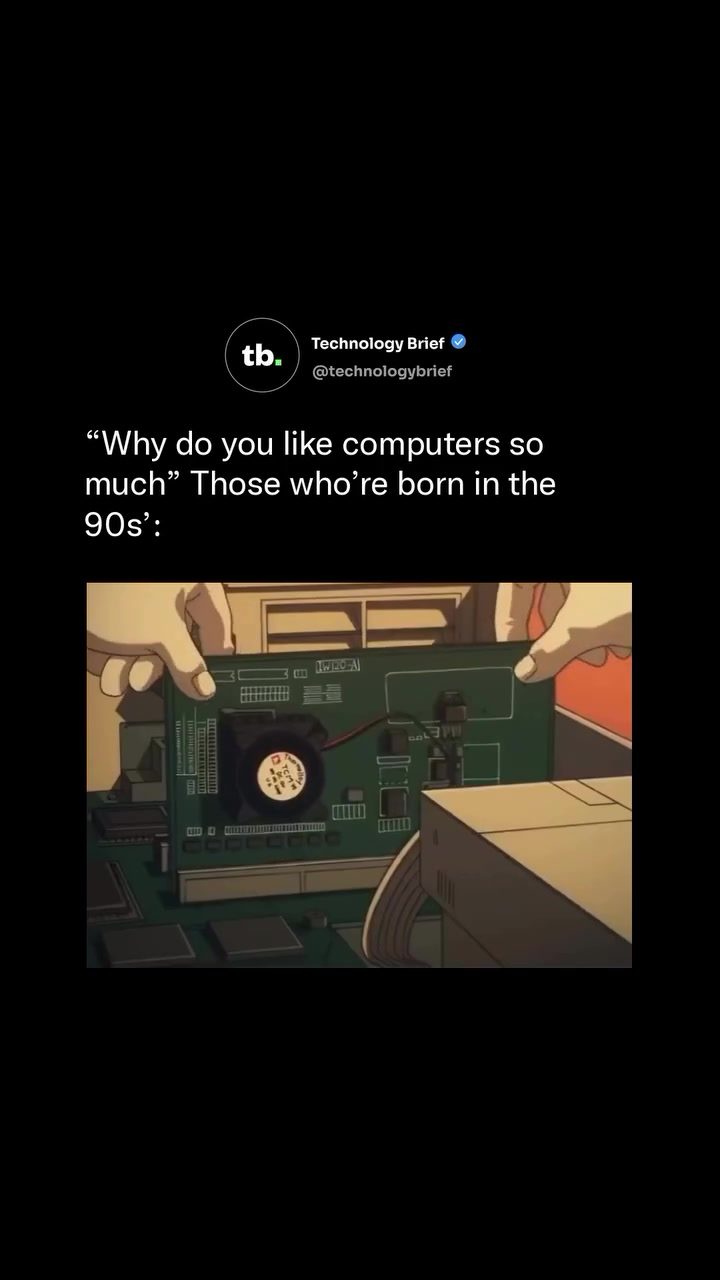
The 90s Connection to Computer Hardware: A Nostalgia for Visible, Tangible Tech
Computer hardware from the 1990s holds a special place in the hearts of many who grew up during that era. Unlike today's sleek, sealed units, 90s computers were visible, tangible, and often required hands-on interaction. This immersion in the inner workings of early personal computers fostered a deep connection and technical intuition that many carried into careers in engineering and software.
Why This Matters
The 1990s marked a pivotal decade for personal computing. It was the first time computers became common in homes and schools. This widespread accessibility allowed a generation to grow up alongside these machines, developing a unique relationship with the technology. Understanding this period offers insights into the evolution of computer hardware and the impact it had on those who interacted with it.
The Hands-On Experience
Visible and Tangible Hardware
One of the most notable aspects of 90s computer hardware was its visibility. Open tower cases allowed users to see the inner workings of their machines. Circuit boards were laid bare, and large cooling fans hummed loudly, creating a symphony of mechanical sounds that became synonymous with computing. This transparency allowed users to understand the physical components that made up their computers, fostering a sense of curiosity and ownership.
The Joy of Tinkering
Getting a machine to boot felt like a real accomplishment. Components like RAM and expansion cards were swapped by hand, and a single beep from the motherboard could tell you everything about what had gone wrong. This hands-on experience built a kind of technical intuition that many people carried into their future careers. The act of inserting cards with tweezers, listening for the right sounds, and occasionally watching something short out in a shower of sparks created a unique bond between users and their machines.
Early Operating Systems
The 90s were dominated by early Windows and DOS systems. These operating systems required a deeper understanding of the machine's hardware. Users had to navigate command-line interfaces and deal with the nuances of early graphical user interfaces. This level of interaction demanded a hands-on approach, further enhancing the user's technical skills and knowledge.
The Cultural Impact
A Sense of Accomplishment
For those who grew up in the 90s, computers were more than just tools; they were partners in problem-solving and exploration. The sense of accomplishment from troubleshooting and fixing issues was unparalleled. This hands-on experience instilled a sense of pride and ownership, making users feel more connected to their machines.
Inspiring Careers
The tinkering and troubleshooting of 90s hardware played a significant role in inspiring careers in engineering and software. The technical intuition gained from these experiences provided a solid foundation for those who went on to pursue technical fields. Many engineers and software developers credit their early experiences with 90s computer hardware as a driving force behind their career choices.
The Nostalgia Effect
Today, there is a renewed interest in vintage computer hardware. The nostalgia for the visible, tangible tech of the 90s has led to a resurgence in interest in retro computing. Collectors and enthusiasts are preserving and restoring old hardware, appreciating the craftsmanship and simplicity of 90s technology. This nostalgia goes beyond just the hardware; it encompasses the culture and community that surrounded it.
Practical Tips for 90s Tech Enthusiasts
Preserving Vintage Hardware
If you're looking to preserve or restore vintage computer hardware, consider the following tips:
- Storage and Cleaning: Store your vintage hardware in a clean, dry place to prevent dust and rust. Use compressed air to clean out any debris.
- Replacement Parts: Finding replacement parts for old hardware can be challenging. Look for online communities and forums dedicated to retro computing. Sites like eBay and specialized shops can also be valuable resources.
- Restoration: Be patient and methodical when restoring vintage hardware. Document the process and take photos to help with disassembly and reassembly.
- Software and Operating Systems: If you're looking to run old software, consider using emulators or virtual machines. This allows you to experience the original software without risking damage to your vintage hardware.
Learning and Experimentation
For those interested in learning more about 90s computer hardware, consider the following:
- Online Resources: There are numerous online resources available for learning about 90s computer hardware, including tutorials, forums, and documentation.
- Books and Manuals: Old manuals and books can provide valuable insights into the inner workings of 90s hardware. Look for original documentation or scans available online.
- Join a Community: Joining a community of retro computing enthusiasts can provide support, resources, and a sense of camaraderie. Online forums, social media groups, and local meetups can be great places to connect with like-minded individuals.
Important Takeaways
The 1990s was a transformative decade for personal computing. The visible, tangible nature of 90s computer hardware fostered a deep connection and technical intuition that many users carried into their future careers. This hands-on experience not only built technical skills but also instilled a sense of pride and accomplishment. The nostalgia for 90s hardware continues to inspire a new generation of tech enthusiasts, preserving the legacy of a pivotal era in computing history.
Conclusion
Computer hardware from the 1990s is more than just outdated technology; it represents a unique era of hands-on interaction and learning. The visible, tangible nature of 90s hardware allowed users to develop a deep understanding of their machines, fostering technical skills and a sense of accomplishment. Whether you're a nostalgic enthusiast or a curious learner, exploring the world of 90s computer hardware offers a rich and rewarding experience.
Questions readers ask
Why do people feel nostalgic about 90s computers?
People feel nostalgic about 90s computers due to the hands-on experience they offered. The visible, tangible hardware allowed users to interact directly with the components, fostering a deep connection and technical understanding that is often missed in today's sleek, sealed devices.
What made 90s computer hardware unique?
90s computer hardware was unique because it was visible and accessible. Users could see and interact with components like circuit boards, computer fans, and expansion slots, which are often hidden or obsolete in modern computers.
How did 90s computers influence careers in technology?
The hands-on experience with 90s computer hardware provided many users with a foundational understanding of technology. This practical knowledge often paved the way for careers in engineering, software, and other tech fields, as users grew up alongside the evolving tech of the 90s.
What are some iconic 90s computer components that people miss?
Iconic 90s computer components that people miss include visible circuit boards, retro computer fans, and expansion slots. These components were not only functional but also offered users a glimpse into the inner workings of their machines, enhancing the user experience.
Why is understanding 90s computer hardware important for tech enthusiasts today?
Understanding 90s computer hardware provides tech enthusiasts with a deeper appreciation for the evolution of technology. It offers insights into the hardware evolution of the 90s, and how the tangible, hands-on nature of these machines shaped the technology we use today.
Related deep dives
Similar reads based on topic and creator.




Recent articles
Fresh deep dives from the latest Reels we unpacked.




Comments
Be the first to comment.