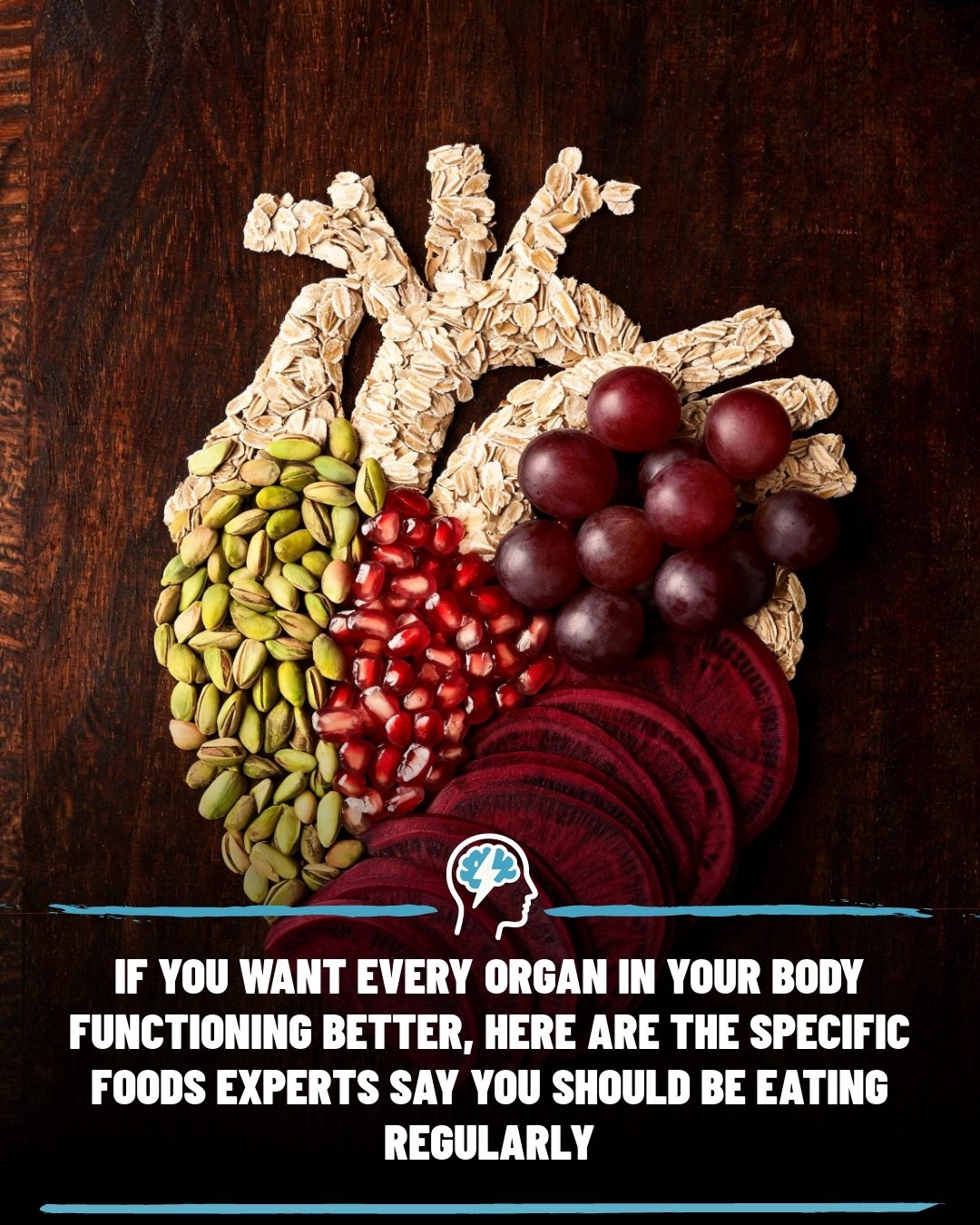
The Role of Specific Foods in Targeting Organ Health
Eating well is about more than just counting calories; it's about nourishing each part of your body with the right nutrients. Different foods target specific organs, providing the building blocks needed for optimal function. Understanding which foods benefit which organs can help you make informed choices when shopping and meal planning.
Why This Matters
Every bite you take can make a difference in how well your body functions. By choosing foods that target specific organs, you can support overall health and potentially prevent or manage various health conditions. This approach to eating goes beyond mere calorie counting, focusing on the specific benefits that different foods offer to different parts of your body.
Targeting Specific Parts of the Body
Mind and Vision
The brain and eyes require healthy fats and antioxidants to combat oxidative stress. Some key foods to consider include:
- Walnuts: Rich in DHA, walnuts support brain health and cognitive performance.
- Carrots and Spinach: These vegetables are high in lutein and beta carotene, which are essential for retina health.
- Blueberries: Known for their anthocyanins, blueberries boost blood flow to the brain, enhancing cognitive function.
Core Systems
For the heart and lungs, foods that manage inflammation and keep blood vessels clear are crucial. Some excellent choices include:
- Salmon and Sardines: These fish are high in oils that help lower blood pressure.
- Apples: Rich in quercetin, apples are linked to better lung function.
- Tomatoes: Lycopene in tomatoes helps keep arteries flexible and clear, promoting heart health.
Natural Filters
The liver and kidneys benefit from cruciferous vegetables and hydrating fruits. Some standout options are:
- Grapefruit: High in antioxidants, grapefruit reduces liver inflammation.
- Cranberries and Blueberries: These fruits support kidney and urinary health.
- Garlic and Onions: Sulfur compounds in these vegetables activate liver detox enzymes, aiding in overall liver function.
Structural Integrity
For skin and bones, minerals and hydration are essential. Some key foods include:
- Dairy and Fortified Plant Milks: These are excellent sources of calcium and vitamin D, which are vital for bone density.
- Avocados: High in healthy fats plus vitamins E and C, avocados support skin elasticity.
- Sweet Potatoes: Rich in vitamin A, sweet potatoes aid in skin repair and glow.
Practical Tips for Incorporating These Foods
To make the most of these recommendations, consider the following tips:
- Plan Your Meals: Incorporate a variety of these foods into your weekly meal plan. For example, add walnuts to your breakfast oatmeal, include a side of carrots or spinach with lunch, and have a salmon dinner.
- Snack Smart: Keep healthy snacks like blueberries, apples, and avocados on hand for easy access throughout the day.
- Hydrate: Drink plenty of water and include hydrating fruits and vegetables in your diet to support your kidneys and overall health.
- Experiment with Recipes: Try new recipes that incorporate these foods. This can make eating well more enjoyable and less of a chore.
Important Takeaways
Eating for organ health means choosing foods that provide the specific nutrients needed by different parts of your body. By focusing on foods rich in antioxidants, healthy fats, and essential vitamins and minerals, you can support the function of your brain, heart, liver, skin, and more. Remember, every bite counts, and the right choices can make a significant difference in your overall health and well-being.
Conclusion
Eating well isn't just about calorie restriction; it's about nourishing your body with the right foods to target specific organs. By incorporating a variety of healthy foods into your diet, you can support optimal organ function and overall health. Whether it's walnuts for brain health, apples for lung function, or grapefruit for liver support, the foods you choose can make a significant impact on how well your body functions. Make informed choices and enjoy the benefits of a well-nourished body.
Questions readers ask
Which superfoods are particularly beneficial for improving brain function and cognitive health?
Walnuts and blueberries are excellent for brain health. Walnuts are rich in omega-3 fatty acids, which support brain function, while blueberries contain antioxidants that can improve memory and overall cognitive performance. Incorporating these into your diet can help maintain mental sharpness.
What are the best foods to support eye health and vision?
Spinach is a great choice for eye health due to its high content of lutein and zeaxanthin, which are essential for protecting the eyes from harmful light. Additionally, foods rich in vitamin A, like carrots, can support overall eye health and vision acuity.
How do specific superfoods support cardiovascular health and the respiratory system?
Salmon is rich in omega-3 fatty acids, which help reduce inflammation and support heart health. Apples contain antioxidants and fiber, which can lower cholesterol levels and improve lung function. Incorporating these foods can help maintain a healthy cardiovascular and respiratory system.
Which foods are best for promoting clear and healthy skin?
Foods high in vitamin C, like oranges and strawberries, promote collagen production, which is essential for skin elasticity and repair. Additionally, foods rich in omega-3 fatty acids, such as flaxseeds, can help reduce inflammation and improve skin health, leaving your skin looking clear and radiant.
What are some of the top superfoods for maintaining liver function and overall organ health?
Garlic and beets are excellent for liver health. Garlic contains compounds that support liver detoxification, while beets are rich in antioxidants and betaine, which can help protect the liver and promote overall organ health. Including these in your diet can support optimal liver function.
Are there specific superfoods known for their anti-inflammatory properties and benefits for blood health?
Turmeric is renowned for its anti-inflammatory properties due to the active compound curcumin, which can help reduce inflammation in the body. Additionally, foods rich in iron, like lentils, support blood health by aiding in the production of red blood cells, which are crucial for oxygen transport.
How do superfoods contribute to the overall health of every part of the body?
Each superfood has unique benefits that target specific parts of the body. For example, walnuts support brain function, spinach aids eye health, and salmon promotes heart health. By incorporating a variety of superfoods into your diet, you can nourish every part of your body and support overall well-being.
Related deep dives
Similar reads based on topic and creator.



Recent articles
Fresh deep dives from the latest Reels we unpacked.




Comments
Be the first to comment.