3D Printing of Human Organs: A Breakthrough in Regenerative Medicine
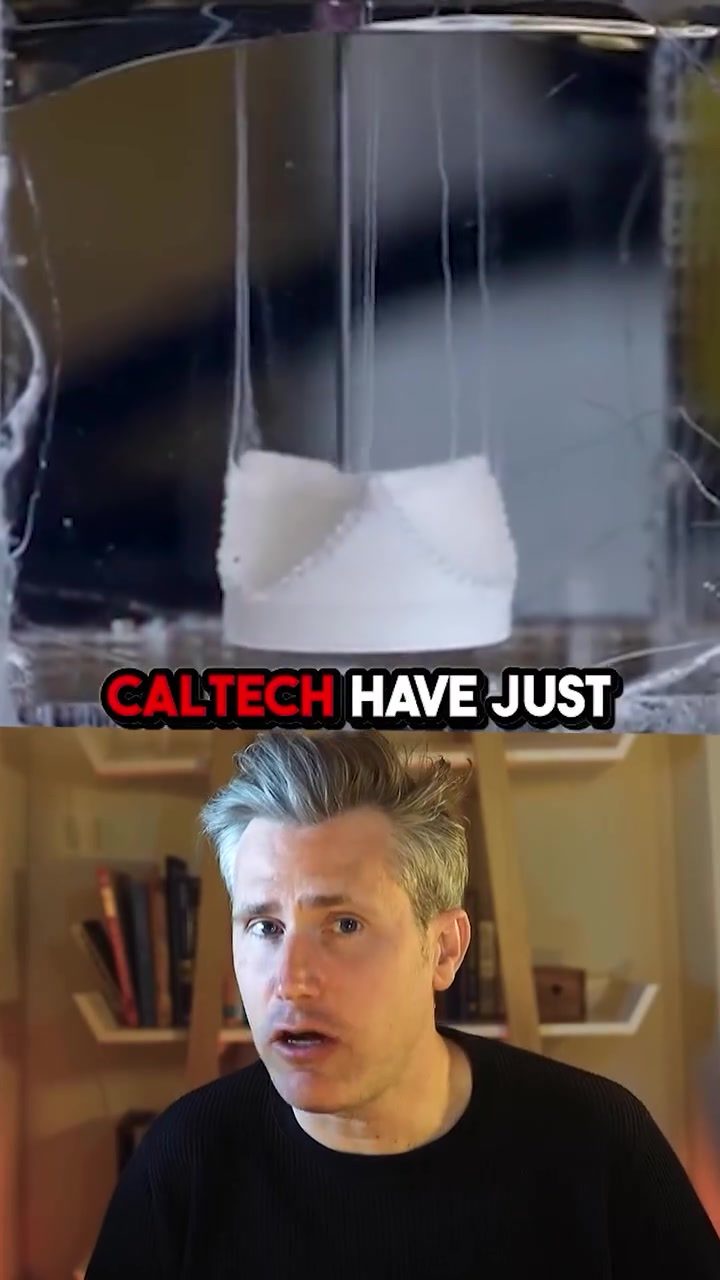
The development of 3D printing technology has revolutionized various industries, and its application in the medical field stands out as one of the most transformative advancements. Researchers at Caltech have made significant strides in this area by pioneering a method to 3D print living organs directly inside the human body. This groundbreaking technology, known as deep tissue sound printing, holds the potential to redefine organ transplantation and surgical procedures.
Context: The Need for Innovative Solutions
Every year, thousands of people die while waiting for organ transplants. Traditional organ transplantation methods involve harvesting organs from donors, which is not only risky but also limited by the availability of compatible organs. This bottleneck in the transplant process is exacerbated by the fact that organs need to be stored in sterile labs and surgically implanted, adding layers of complexity and risk.
Deep Tissue Sound Printing: A Revolutionary Approach
The Technology Behind the Innovations
Deep tissue sound printing leverages ultrasound to create living tissue inside the body. Here’s how it works:
- Bio-Ink Injection: A special bio-ink, which contains living cells, is injected into the body.
- Ultrasound Activation: Ultrasound waves target the bio-ink, causing it to solidify into human tissue.
- In-Situ Growing: The tissue grows directly within the body, eliminating the need for a sterile lab and surgical implantation.
This method bypasses the limitations of traditional 3D printing, which requires a flat surface and a sterile environment. By using ultrasound, the process can be performed while the patient is awake, making it less invasive and more efficient.
Applications and Benefits
The implications of this technology are vast. Imagine a future where the need for surgical organ transplants is dramatically reduced. Patients could undergo procedures that involve growing new organs or tissues directly within their bodies, significantly lowering the risks associated with traditional surgeries. This could revolutionize the treatment of conditions that currently require organ transplants, such as heart failure, liver disease, and kidney failure.
Practical Tips for Understanding and Applying the Technology
- Stay Informed: Keep up with the latest research and developments in the field of 3D bioprinting. Follow reputable sources and medical journals to stay informed about new advancements and clinical trials.
- Engage with Specialists: If you or a loved one is in need of an organ transplant, discuss the possibility of participating in clinical trials or studies involving deep tissue sound printing with your medical team.
- Ethical Considerations: Understand the ethical implications and potential challenges of this technology. Engage in discussions with healthcare providers, ethicists, and other stakeholders to ensure that the technology is used responsibly and effectively.
Important Takeaways
- Innovation in Organ Transplantation: Deep tissue sound printing offers a non-invasive alternative to traditional organ transplantation, potentially saving thousands of lives.
- Efficiency and Safety: This method eliminates the need for a sterile lab and surgical implantation, making the process more efficient and safer for patients.
- Future Applications: The technology has the potential to revolutionize the treatment of various medical conditions that currently require organ transplants.
Conclusion
The advent of deep tissue sound printing represents a paradigm shift in medical technology, particularly in the realm of organ transplantation. By allowing doctors to grow living tissue directly inside the body, this method addresses many of the challenges associated with traditional transplantation methods. As researchers and medical professionals continue to refine and develop this technology, the future of regenerative medicine looks brighter than ever.
Questions readers ask
How does deep tissue sound printing work in creating living tissue?
Deep tissue sound printing uses focused ultrasound waves to deposit bioinks containing living cells layer by layer directly inside the body. This process allows for precise control in forming complex tissues and shapes to match the structure of the target organ, all without the need for external 3D printing equipment. The ultrasound waves guide the bioinks to the desired location within the body, promoting the growth of tissue in situ.
What are the benefits of 3D printing organs directly in the body compared to traditional transplants?
3D printing organs directly in the body reduces the need for donors and eliminates complications from organ rejection. This method is also less invasive than traditional surgeries and can be more efficient, potentially reducing recovery times and healthcare costs. By using the patient's own cells, the risk of immune response is minimized, leading to a more seamless integration of the new tissue.
What role does ultrasound play in deep tissue sound printing?
Ultrasound plays a pivotal role in deep tissue sound printing by providing the energy required to deposit bioinks into the body. It allows for precise targeting and control over the deposition process, ensuring that the living cells are placed accurately to form the desired tissue structure. Additionally, ultrasound waves are safe and non-invasive, making them ideal for medical applications.
What stage of development is the deep tissue sound printing technology at?
Researchers at Caltech have successfully demonstrated the feasibility of deep tissue sound printing in creating living tissue. However, the technology is still in the early stages of development, with ongoing research focused on refining the process, improving biocompatibility, and ensuring long-term viability of the printed tissues. Clinical trials and regulatory approvals are necessary before this technology can be widely used in medical practice.
What are the implications for the future of organ transplants with 3D printing?
The future of organ transplants could be transformed by 3D printing technology, making it more accessible and reducing wait times. This advancement could lead to a significant decrease in the number of patients on transplant waiting lists and potentially save countless lives. By enabling the creation of organs on demand, 3D printing has the potential to make organ transplantation more efficient and widely available, addressing current limitations and challenges in the field.
Are there any risks or limitations associated with 3D printing organs in the body?
While 3D printing organs in the body holds tremendous potential, there are some challenges. These include ensuring the long-term viability and functionality of the printed organs, as well as addressing potential complications from the printing process itself. Researchers must also ensure that the printed tissues integrate seamlessly with the patient's existing organs and systems, minimizing the risk of immune response or other adverse reactions.
Related deep dives
Similar reads based on topic and creator.




Recent articles
Fresh deep dives from the latest Reels we unpacked.




Comments
Be the first to comment.