Farm Preservation
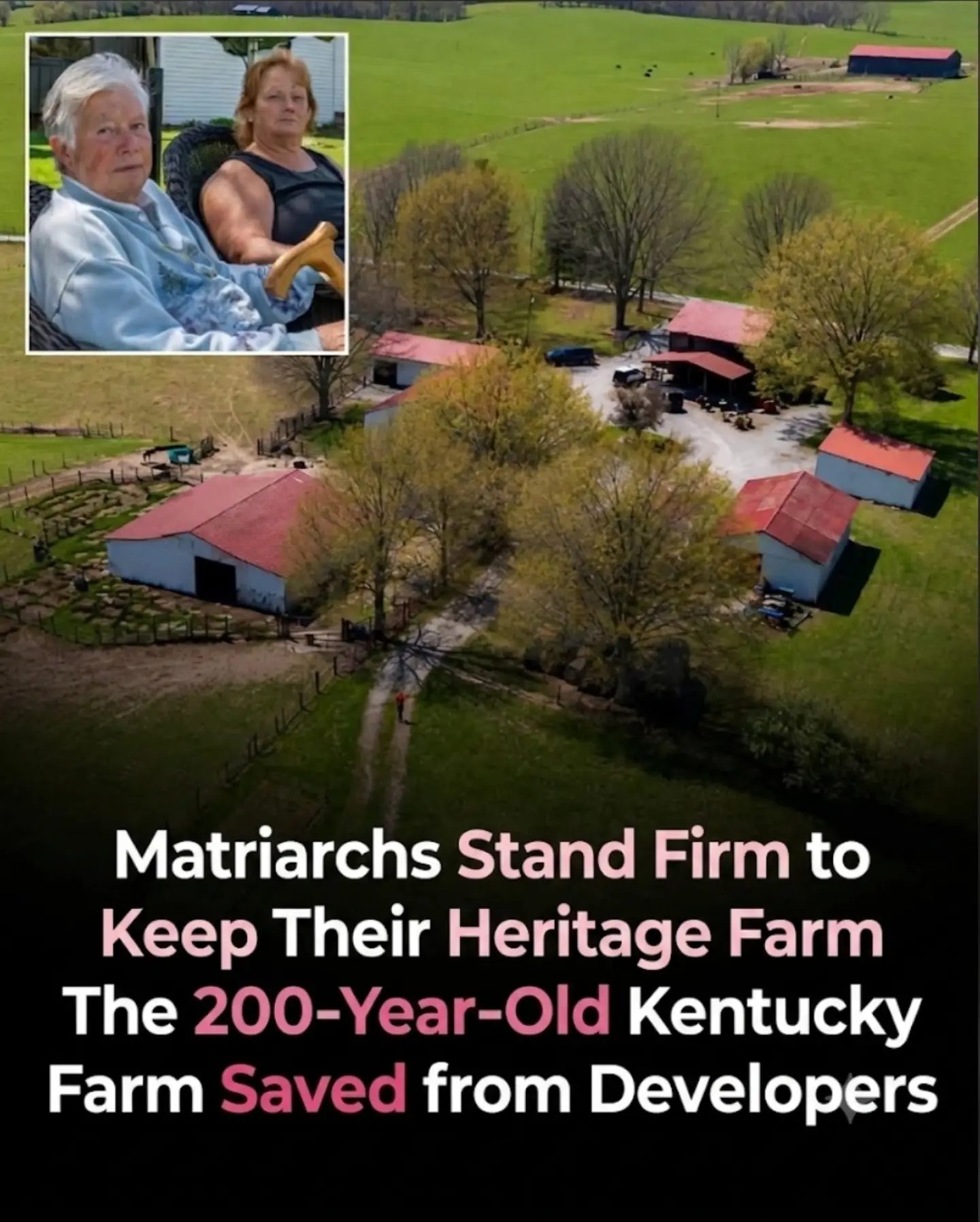
The legal battle in Maysville, Kentucky, over a 200-year-old, 1,200-acre farm is a stark illustration of the escalating tension between rapid AI infrastructure expansion and local community preservation. This farm is more than just land; it is a family heritage site, deeply rooted in the history and legacy of the Huddleston-Bare family. Ida Huddleston and her daughter, Delsia Bare, have taken a stand, refusing to sell their ancestral farm to developers representing an undisclosed Fortune 100 company.
Why This Matters
The conflict over this farm is not just about land ownership; it underscores the broader issue of how quickly expanding AI infrastructure can disrupt and displace long-standing communities. The proposed 2,000-acre data center project is a significant undertaking that has far-reaching implications for the local landscape and its residents. The development is estimated to require up to 2.2 gigawatts of electricity, as well as extensive new infrastructure for water, sewer, roads, and fiber optic cables. The initial land acquisitions have already resulted in 90-day eviction notices for 28 residents of a local mobile-home park, raising alarm bells about the potential for widespread community displacement.
The Project and Its Impact
Resource Demands
The data center project is a massive undertaking that will place significant demands on local resources. The facility requires a substantial amount of electricity, alongside new infrastructure for water, sewer, road, and fiber optic connectivity. This level of resource demand is unprecedented for the area, and its implications for the local environment and infrastructure are a major concern. The project will need to upgrade existing infrastructure, which could place a heavy financial and logistical burden on the local community.
Community Displacement
The project poses a significant threat to the local community. Initial land acquisitions have already resulted in 90-day eviction notices for 28 residents of a local mobile-home park. This displacement highlights the broader issue of how large-scale development projects can uproot long-standing communities and displace residents, often with little notice or compensation. The loss of homes and community ties can have devastating effects on families and individuals, and the Huddleston-Bare family's fight to preserve their farm is a testament to the importance of community and heritage.
Economic Arguments
Supporters of the project emphasize the economic benefits it could bring to the area. The Fortune 100 developer promises to fund all necessary infrastructure upgrades, which could improve the local economy in the short term. Additionally, the project is expected to bring in substantial tax revenue and create local jobs, which could provide a much-needed economic boost to the region. However, these potential benefits must be weighed against the potential long-term impact on the community and its resources.
Community Concerns
Opponents of the project have raised several significant concerns. The most pressing issue is the potential strain the project could place on local water and power grids. The data center will require a massive amount of electricity and water, which could potentially deplete local resources and leave the community vulnerable to shortages. Additionally, there are concerns about the permanent loss of prime agricultural land and the potential for industrial disruption to the rural area. These concerns highlight the need for a balanced approach that considers both the economic benefits and the potential long-term impact on the community, its resources, and its environment.
Legal Battle
The legal battle over the farm is ongoing. While a court approved the necessary industrial rezoning in May, and an initial challenge was dismissed, residents filed a new lawsuit in June to halt the project. Because developers cannot legally force a private sale, the Huddleston-Bare family continues to hold their land as the legal battle proceeds. The family, alongside the local advocacy group We Are Mason County, is fighting to preserve their heritage and protect their community from what they see as an overreaching and potentially destructive development project.
Status of the Legal Battle
The legal battle has seen several key developments. A court initially approved the necessary industrial rezoning in May, but residents have since filed a new lawsuit in June to halt the project. The Huddleston-Bare family continues to hold their land, supported by the legal right that developers cannot force a private sale. The ongoing legal battle highlights the complexities and challenges of balancing economic development with community preservation and heritage protection.
Practical Tips
If you find yourself in a similar situation, where your community is facing rapid development and potential displacement, here are some practical tips to help you navigate the process:
Engage with Local Advocacy Groups
Joining forces with local advocacy groups can provide a stronger voice and more resources in your fight. Groups like We Are Mason County have been instrumental in supporting the Huddleston-Bare family and can offer valuable guidance and support.
Understand the Legal Landscape
Knowing your rights and the legal process is crucial. Consult with legal experts who specialize in land rights and community preservation to understand your options and potential outcomes.
Gather Community Support
Community support is essential in preserving heritage and resisting displacement. Reach out to neighbors, local organizations, and other stakeholders who share your concerns and can help amplify your voice.
Highlight the Historical and Cultural Significance
Emphasize the historical and cultural significance of your land. Highlighting the heritage and legacy of your community can strengthen your case and garner more support from both local and broader audiences.
Important Takeaways
The fight to preserve the 200-year-old Kentucky farm is a reminder of the importance of balancing economic development with community preservation. The Huddleston-Bare family's stand against corporate developers represents a broader struggle between rapid AI infrastructure expansion and the need to protect historical landmarks and family heritage. This conflict underscores the importance of community engagement, legal awareness, and the preservation of cultural heritage in an era of rapid technological and industrial development.
Conclusion
The battle over the 200-year-old Kentucky farm is far from over. As the legal proceedings continue, the Huddleston-Bare family, along with their community, stand firm in their fight to preserve their heritage. This conflict not only illustrates the growing tension between AI infrastructure expansion and community preservation but also highlights the importance of community engagement, legal awareness, and the preservation of cultural heritage. The outcome of this battle will have implications for future development projects and the delicate balance between progress and preservation.
Questions readers ask
What is the significance of the Huddleston-Bare farm to the family and the local community?
The Huddleston-Bare farm holds immense significance as a family heritage site, with roots tracing back 200 years. It represents the family's history and legacy in Kentucky, and its preservation is crucial for maintaining the local community's character and agricultural heritage.
Who is leading the legal battle against the AI infrastructure project?
Ida Huddleston and her daughter, Delsia Bare, are at the forefront of the legal battle. They are determined to preserve their ancestral farm and protect it from being acquired for a massive data center development.
What is the size and scope of the proposed AI data center development?
The proposed data center development is a substantial 2,000-acre project. This scale highlights the significant impact of AI infrastructure expansion on local communities and agricultural lands.
What is the primary concern regarding the AI infrastructure expansion in Maysville, Kentucky?
The primary concern is the potential displacement of long-standing communities and the disruption of agricultural heritage. The rapid development of AI infrastructure can lead to the loss of historic farms and the transformation of rural landscapes.
Why is the legal battle in Maysville, Kentucky, considered a larger issue than just a local dispute?
The legal battle in Maysville is emblematic of a broader conflict between the rapid expansion of AI infrastructure and the preservation of local communities. It raises questions about land use, community preservation, and the impact of large-scale technological development on agriculture.
How has the AI infrastructure expansion affected similar communities in the past?
In other regions, AI infrastructure expansion has led to the displacement of long-standing communities and the loss of agricultural lands. This trend underscores the need for balanced development that respects local heritage and community values.
What role does community support play in the preservation of historical farms like the Huddleston-Bare farm?
Community support is crucial in the preservation of historical farms. It provides the necessary backing for legal battles against developers and helps raise awareness about the importance of agricultural heritage and local history.
Related deep dives
Similar reads based on topic and creator.




Recent articles
Fresh deep dives from the latest Reels we unpacked.




Comments
Be the first to comment.