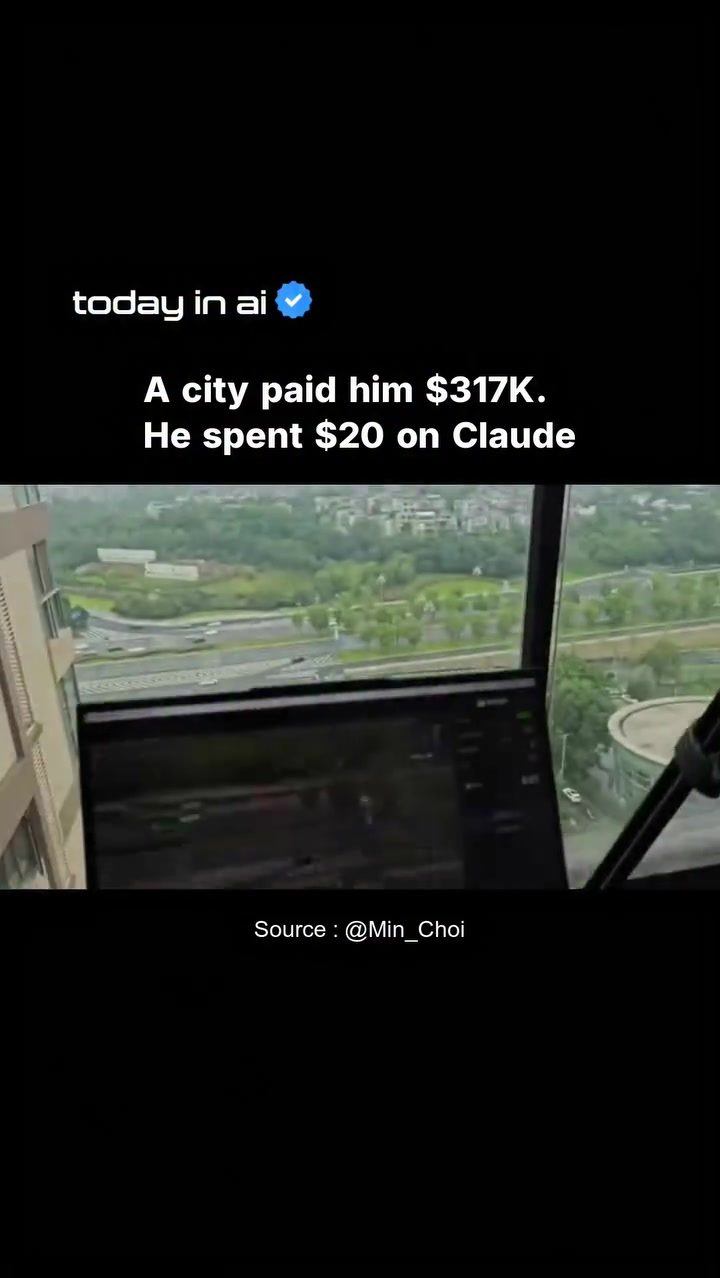
AI and Speed Radar: The Story of Claude and a Young Innovator
AI and speed radar technology are increasingly becoming part of our daily lives, influencing everything from traffic management to urban safety. In a striking example of innovation, a 20-year-old student in China built an AI-powered speed radar. The project was reportedly sold to a city district for $317,000. This remarkable feat was achieved using an old camera and only $20 in API calls. The student utilized video editing software, showcasing the power and efficiency of modern AI tools.
Context / Why this matters
The story is not just about financial gain but underscores the potential of AI and the creativity of young innovators. The student’s success highlights how accessible AI tools can empower individuals to solve real-world problems. It also shows the value of leveraging existing technology and minimal resources to create innovative solutions.
The use of AI in traffic management systems is becoming more prevalent. Cities worldwide are investing in AI-driven solutions to improve traffic flow, enhance safety, and reduce congestion. Innovations like the AI speed radar developed by the student can play a crucial role in this transformation.
The Power of AI and Video Editing Software
The Role of Claude AI
Claude AI played a pivotal role in the development of the speed radar. The student used Claude to handle the detection logic, demonstrating the versatility and efficiency of AI in handling complex tasks. AI tools like Claude can process vast amounts of data quickly, making them ideal for tasks like speed detection, which require real-time data analysis.
Hardware and Cost Efficiency
The hardware cost of the project was minimal, with the student using an old camera and spending only $20 on API calls. This highlights the cost-effectiveness of integrating AI into existing hardware. By leveraging affordable resources, the student was able to develop a high-value solution without significant financial investment.
Practical Tips for Aspiring Innovators
Leveraging Existing Hardware
One of the key takeaways from this story is the importance of leveraging existing hardware. By using an old camera, the student was able to create a valuable tool without the need for expensive equipment. This approach not only saves costs but also encourages creativity and resourcefulness.
Utilizing AI Tools
AI tools like Claude offer a range of functionalities that can be applied to various projects. Whether it's handling detection logic, data analysis, or other complex tasks, AI can significantly enhance the capabilities of any project. For aspiring innovators, familiarizing themselves with AI tools can open up new opportunities and solutions.
Cost-Effective Solutions
The student’s success highlights the value of cost-effective solutions. By focusing on minimizing costs, the student was able to create a high-value product. This approach can be applied to various fields, from technology to urban planning, to develop innovative and efficient solutions.
Important Takeaways
Creating innovative solutions with minimal resources is achievable with the right tools and mindset. By leveraging AI, utilizing existing hardware, and focusing on cost-effectiveness, young innovators can develop high-value products. This case study demonstrates the potential of AI and the creativity of young minds in driving technological advancements.
Conclusion
The story of a 20-year-old student in China building an AI-powered speed radar is a testament to the power of innovation and the potential of AI. By leveraging video editing software and affordable resources, the student was able to create a high-value solution that has significant implications for urban safety and traffic management. This case highlights the importance of creativity, resourcefulness, and the effective use of technology in driving innovation.
Questions readers ask
How does an AI-powered speed radar work?
AI-powered speed radars use artificial intelligence to analyze video footage and detect the speed of moving vehicles. By processing images or video from a camera, the AI can calculate the distance a vehicle travels over a specific period, determining its speed and helping enforce traffic laws.
What kind of camera can be used for an AI speed radar system?
Almost any camera capable of capturing clear video footage can be used for an AI speed radar system. In the case of the 20-year-old student from China, an old camera was successfully repurposed for this innovative project, demonstrating that high-end equipment is not always necessary.
Why is API integration important for AI projects like the speed radar?
API calls allow different software applications to communicate with each other. In the context of the AI speed radar, API integration enables the system to process video data efficiently, access necessary AI algorithms, and provide real-time speed data, making the system functional and effective.
How can teenagers and young adults get started with AI projects like the speed radar?
Young individuals interested in AI projects can start by exploring available resources and tools. They can experiment with video editing software, learn programming languages, and utilize free or low-cost AI APIs. Starting with small, manageable projects and gradually taking on more complex challenges can be a rewarding learning path.
What are the potential benefits of AI speed radars in urban environments?
AI speed radars can significantly enhance traffic management by providing accurate and real-time speed data. This helps ensure compliance with speed limits, reduces accidents, and improves overall road safety. Additionally, these systems can operate autonomously, freeing up law enforcement resources for other tasks.
What challenges might arise when implementing an AI speed radar system?
Challenges can include ensuring the accuracy of speed measurements, addressing potential privacy concerns related to video surveillance, and integrating the system with existing traffic management infrastructure. Regular maintenance and updates to the AI algorithms are also crucial to maintain the system's effectiveness and reliability.
Related deep dives
Similar reads based on topic and creator.




Recent articles
Fresh deep dives from the latest Reels we unpacked.




Comments
Be the first to comment.