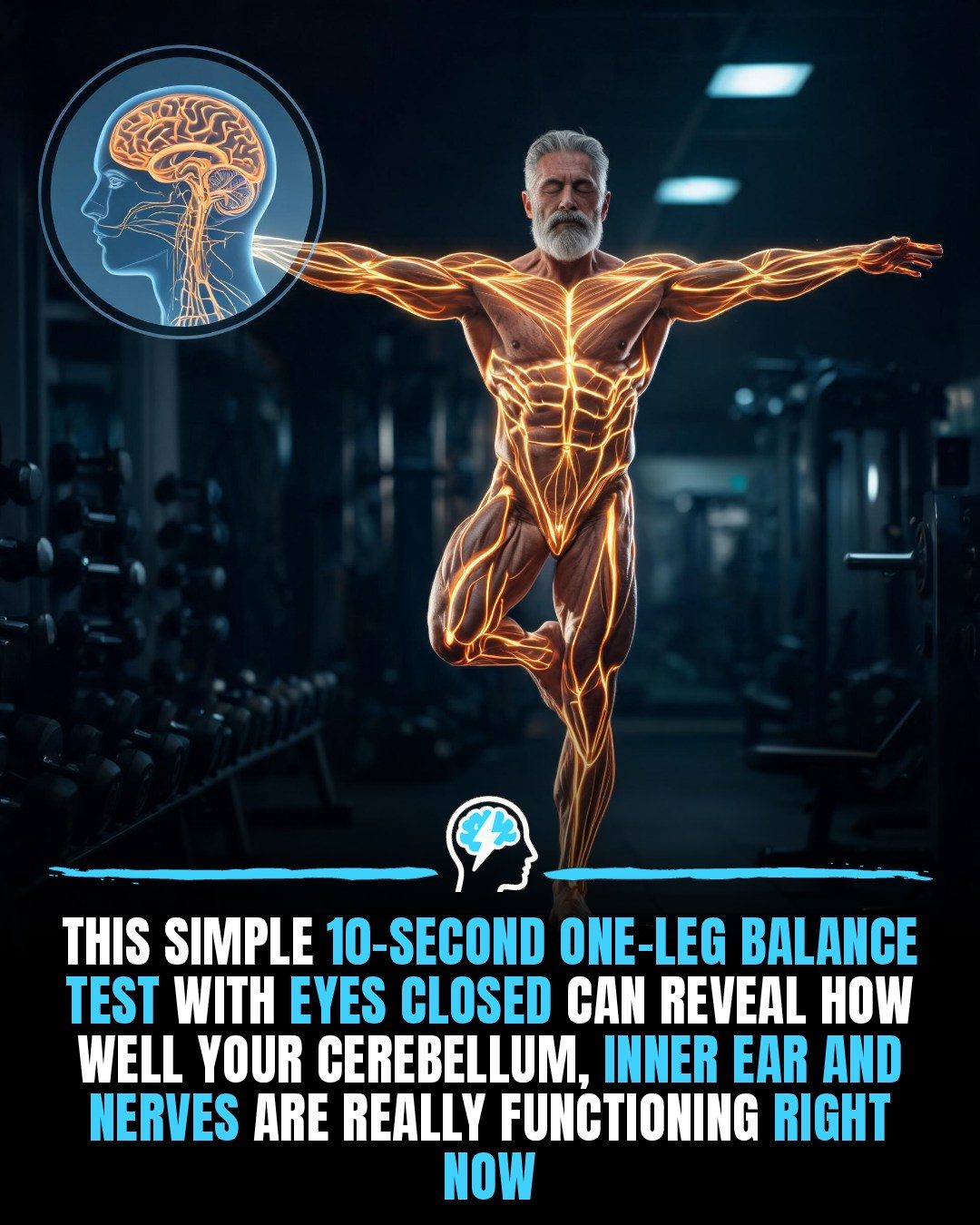
Balance Test: A Simple Way to Gauge Brain and Body Health
Can you stand on one leg for ten seconds? This seemingly simple feat can provide profound insights into your brain and body health. The 10-second one-leg balance test is more than just a measure of physical stability; it's a window into how well your cerebellum, inner ear, and nerves are functioning.
Context: Why This Matters
Most people focus on tracking muscle mass or heart health as they age. However, researchers have found that balance is just as crucial in assessing overall health and biological age. Balance requires split-second coordination between the brain and the nervous system, making it a strong predictor of long-term health.
Understanding the Balance Test
The Science Behind the Test
The 10-second one-leg balance test with eyes closed relies on several key systems within the body:
-
Cerebellum: This part of the brain coordinates movement and motor control. It helps you stay upright by sending and receiving signals for balance and posture.
-
Vestibular System (Inner Ear): This system handles balance and spatial orientation. It provides the brain with information about the body's position and movement, even when visual cues are absent.
-
Proprioceptive Nerves: These nerves relay information about the body's position and movement to the brain. They help the brain understand where different parts of the body are in space.
What a Failed Test Can Mean
A sharp decline in balance after the age of 50 can be an early indicator of changes in the brain. People who struggle to hold the stance for ten seconds may face an increased risk of cognitive decline. This can point to issues like small vessel disease or microscopic brain damage, as balance depends on tight neural communication.
Why It Matters After Fifty
Studies have shown that individuals who can't maintain a 10-second stance are at a higher risk of developing serious health problems within the next decade. Poor balance isn't just about the risk of falls; it's a marker of overall frailty and is tied to a shorter lifespan if the underlying issues go unaddressed.
Practical Tips for Improving Balance
Improving balance is a skill that responds well to practice. Here are some simple ways to incorporate balance exercises into your daily routine:
Daily Balance Exercises
-
Toothbrushing: Stand on one leg while brushing your teeth. This can help improve your balance without adding extra time to your day.
-
Yoga: Practices like yoga are excellent for enhancing balance and flexibility. Poses that require standing on one leg or holding a position for a period can be particularly beneficial.
-
Heel-to-Toe Walk: Walk in a straight line, placing the heel of one foot directly in front of the toes of the other foot. This can help improve your balance and coordination.
-
Tai Chi: This low-impact exercise focuses on balance, coordination, and flexibility. It involves slow, controlled movements that can help improve overall stability.
Important Takeaways
Understanding the significance of the 10-second one-leg balance test can be a game-changer for your health. It's a simple yet powerful way to assess your brain and body health. By incorporating balance exercises into your routine, you can improve your overall stability, reduce the risk of cognitive decline, and enhance your quality of life.
Conclusion
The 10-second one-leg balance test is a quick and effective way to gauge your brain and body health. By understanding the science behind this test and practicing balance exercises regularly, you can take proactive steps towards maintaining your overall well-being. Whether you're brushing your teeth or practicing yoga, small changes can have a significant impact on your long-term health.
Questions readers ask
What exactly is the 10-second balance test and how is it performed?
The 10-second balance test is a simple assessment where you stand on one leg with your eyes closed for ten seconds. To perform the test, find a stable surface to hold onto for support initially, then let go and try to maintain your balance on one leg with your eyes shut for the full duration.
What aspects of health does the 10-second balance test assess?
The test provides insights into various aspects of health, including brain health, particularly the function of the cerebellum, inner ear health, and nerve health. It assesses how well these systems coordinate to maintain balance.
Why is balance a good indicator of overall health and aging?
Balance is a complex task that involves quick coordination between the brain and nervous system. As we age, maintaining balance can become more challenging, making it a strong indicator of overall health and a predictor of biological age.
Can the 10-second balance test help predict long-term well-being?
Yes, the 10-second balance test can serve as a predictor of long-term well-being. Researchers have found that poor performance in this test can be linked to an increased risk of falls, cognitive decline, and other health issues in the future.
What are some factors that could affect the results of the 10-second balance test?
Several factors can influence the results, including inner ear issues, nerve damage, muscle weakness, and certain medical conditions that affect the brain or nervous system. Additionally, fatigue and lack of practice can also impact performance.
How often should I perform the 10-second balance test?
There isn't a strict guideline, but performing the test periodically, such as every few months, can help you track your progress and detect any potential changes in your balance and overall health. Regular practice can also help improve your balance over time.
What should I do if I struggle with the 10-second balance test?
If you find it challenging to complete the test, consider speaking with a healthcare professional. They can help identify any underlying issues and provide appropriate interventions or exercises to improve your balance and overall health.
Related deep dives
Similar reads based on topic and creator.



Recent articles
Fresh deep dives from the latest Reels we unpacked.




Comments
Be the first to comment.