Japanese Bread Innovation
Shokupan, or Japanese milk bread, has a rich history that dates back to the Meiji era (1868-1912) when Japan opened its doors to Western foods after centuries of isolation. Originally introduced by Portuguese missionaries in the 16th century, bread remained uncommon because rice was the country’s staple food. However, post-World War II, bread consumption surged dramatically due to American wheat imports and school lunch programs, which exposed millions of children to this new food. Japanese bakers then adapted Western recipes to suit local tastes, creating shokupan—a soft, fluffy, and slightly sweet loaf that became a staple for toast and sandwiches.
Context: Why This Matters
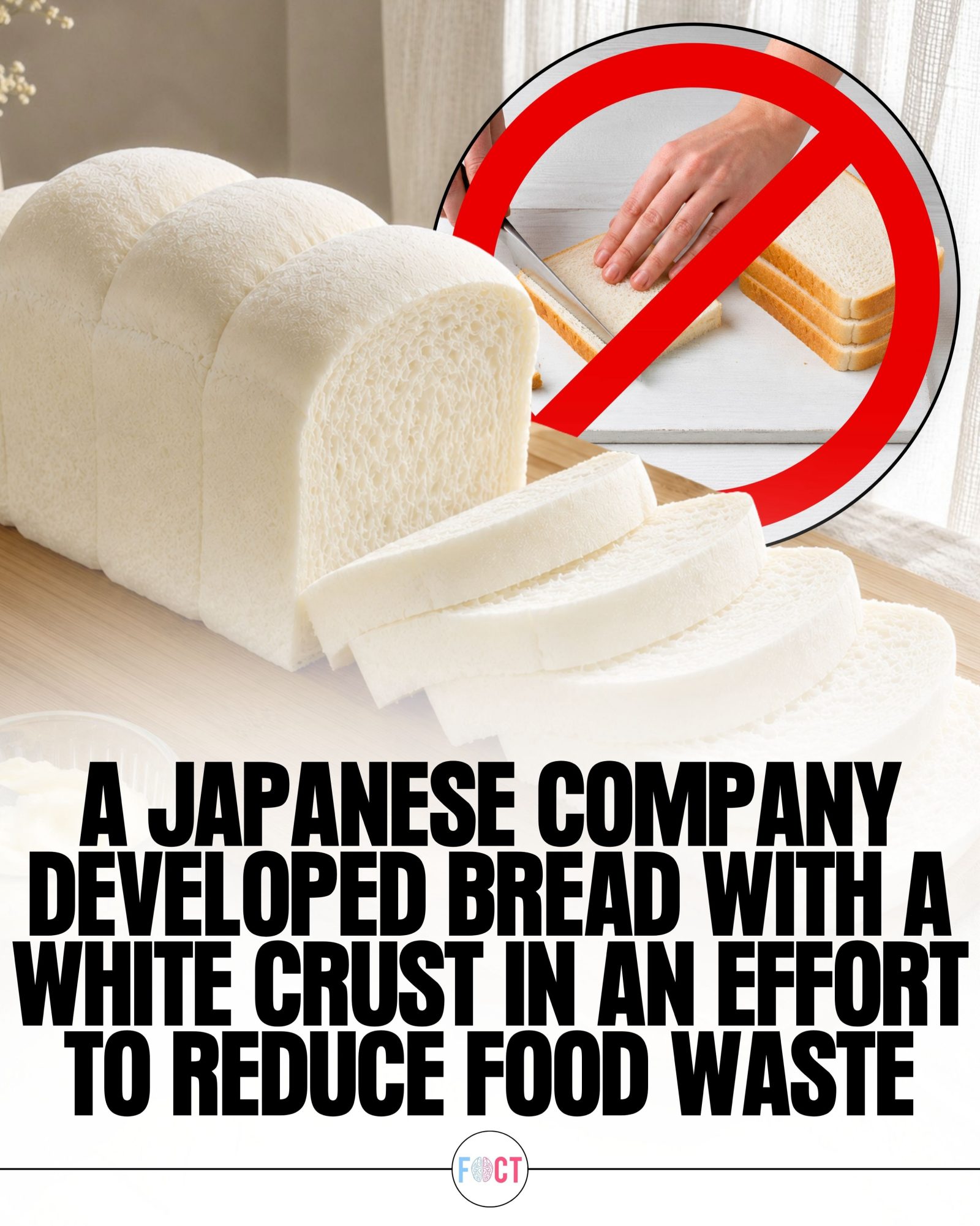
Japan's culinary traditions are deeply rooted in cultural values that emphasize resourcefulness and minimization of waste. The development of a bread with a white crust by FOCCT, a Japanese company, is a direct response to the common practice of trimming the crusts from shokupan. This practice is particularly prevalent in preparing children’s lunches, tea sandwiches, and the popular fruit sando, where a perfectly soft, white appearance is preferred. The trimming of these crusts results in significant food waste, which goes against Japan's philosophy of mottainai. This concept, rooted in Buddhist and Shinto traditions, encourages gratitude for resources and discourages wastefulness.
Main Discussion
The Evolution of Bread in Japan
The history of bread in Japan is intertwined with its cultural and political shifts. The Meiji era marked a period of rapid modernization and Westernization, during which Japan embraced many new foods, including bread. This period saw the introduction of shokupan, which became a staple in Japanese households. The post-World War II era further solidified bread's place in Japanese diets, thanks to American influences and the establishment of school lunch programs.
The Impact of Food Waste
In Japan, the practice of trimming bread crusts is not just a matter of preference but also a significant contributor to food waste. The innovative solution developed by FOCCT addresses this issue by creating a bread with a soft, white crust that closely matches the texture of the bread's interior. This innovation makes the entire loaf more appealing to consumers, reducing the likelihood of trimming and subsequent waste.
The Art of Bread Making
Creating a loaf of bread with a white crust involves a meticulous baking process. FOCCT, led by Head Chef Yu Sugimoto, developed this loaf by baking it slowly at a lower temperature. This method ensures that the crust remains soft and white, mimicking the texture of the bread's interior. The result is a visually striking and texturally consistent loaf that encourages consumers to eat the entire bread, thereby reducing waste.
The Philosophy of Mottainai
The concept of mottainai is central to understanding Japan's approach to food and resource management. This philosophy emphasizes gratitude for resources and discourages wastefulness. By developing a bread with a white crust, FOCCT aligns with this cultural value, creating a product that not only tastes good but also promotes a more sustainable way of consuming bread.
The Role of Innovation in Food Sustainability
Innovation is key to addressing food waste and promoting sustainability. The development of this bread by FOCCT showcases how culinary innovation can play a significant role in reducing waste and aligning with cultural values. The success of this product highlights the importance of adapting traditional food practices to modern sustainability goals.
Practical Tips
Incorporating Whole Loaves into Your Diet
To minimize food waste, consider incorporating whole loaves of bread into your diet. Here are some practical tips:
- Serve Whole Loaves: Instead of slicing bread into individual portions, serve whole loaves at meals. This encourages people to eat the entire loaf.
- Use Whole Loaves for Sandwiches: When making sandwiches, use whole loaves to ensure that the crusts are consumed.
- Innovate with Crusts: Use crusts in recipes that highlight their unique texture and flavor. For example, you can turn crusts into breadcrumbs for coating or use them in soups and stews.
Reducing Food Waste at Home
Reducing food waste at home starts with small changes in your daily habits. Here are some tips to help you minimize waste:
- Plan Meals: Plan your meals for the week and buy only the ingredients you need. This helps reduce the likelihood of food going to waste.
- Store Food Properly: Proper storage can extend the shelf life of your food. Store bread in a cool, dry place to prevent it from going stale.
- Repurpose Leftovers: Turn leftovers into new meals to ensure that nothing goes to waste. For example, stale bread can be repurposed into bread pudding or croutons.
Promoting Sustainability in the Kitchen
Incorporating sustainable practices into your kitchen can make a significant difference in reducing food waste. Here are some tips:
- Buy Local: Support local farmers and bakeries by buying locally produced food. This reduces the carbon footprint associated with transportation and supports local economies.
- Choose Sustainable Brands: Look for brands that prioritize sustainability and waste reduction in their production processes. Support companies that align with your values.
- Compost: Start a compost pile to reduce food waste and create nutrient-rich soil for your garden. Composting is a great way to turn food scraps into a valuable resource.
Important Takeaways
- Japan's shokupan has a rich history that dates back to the Meiji era, with significant increases in consumption post-WWII.
- The practice of trimming bread crusts contributes to significant food waste in Japan.
- FOCCT's innovative bread with a white crust addresses this issue by making the entire loaf more appealing.
- The concept of mottainai, rooted in Buddhist and Shinto traditions, encourages gratitude for resources and discourages waste.
- Incorporating sustainable practices and innovative solutions can help reduce food waste and promote a more eco-friendly lifestyle.
Conclusion
The development of bread with a white crust by FOCCT is a testament to Japan's ongoing commitment to sustainability and cultural values. By addressing the issue of food waste and promoting a more mindful approach to consumption, this innovation highlights the potential for culinary practices to align with broader sustainability goals. Whether you're a baker, a food enthusiast, or simply someone looking to reduce food waste, the story of shokupan and its innovative adaptation offers valuable insights and practical tips for a more sustainable future.
Questions readers ask
What makes Japanese Milk Bread (Shokupan) unique from other types of bread?
Japanese Milk Bread, or Shokupan, is unique due to its soft, fluffy, and slightly sweet texture. It was adapted from Western recipes to suit Japanese tastes, making it a popular choice for toast and sandwiches. The bread's evolution reflects Japan's culinary history and its openness to global influences.
How did Japanese bread evolve over time, and what role did Western influences play in this evolution?
Japanese bread evolved significantly from the Meiji era (1868-1912) onwards, when Japan opened its doors to Western foods. Portuguese missionaries introduced bread in the 16th century, but it was not until post-World War II that bread consumption surged due to American wheat imports and school lunch programs. Japanese bakers then adapted Western recipes, creating Shokupan with its distinct texture and taste.
What is FOCCT's approach to creating a zero-waste loaf of bread with a soft white crust?
FOCCT, a Japanese company, has developed a unique approach to creating a zero-waste loaf. By focusing on reducing food waste, FOCCT ensures that every part of the bread-making process is optimized to minimize waste. The resulting loaf features a soft, white crust, which enhances its appeal and aligns with the traditional Shokupan texture.
Why is food waste a significant issue in Japan, and how can initiatives like FOCCT's contribute to its reduction?
Japan generates a significant amount of food waste, much of which comes from the bakery industry. Initiatives like FOCCT's zero-waste loaf help reduce this waste by optimizing the bread-making process. This not only benefits the environment but also supports sustainable food practices.
What are the key differences between traditional Shokupan and FOCCT's zero-waste bread?
Traditional Shokupan is renowned for its soft, fluffy texture and slightly sweet taste. FOCCT's zero-waste bread maintains these qualities while also focusing on sustainability. The key difference lies in the production process, where FOCCT aims to eliminate waste, making it an eco-friendly choice.
How can consumers support zero-waste initiatives like FOCCT's in Japan?
Consumers can support zero-waste initiatives by choosing products from companies that prioritize sustainability. By opting for FOCCT's zero-waste bread, consumers can help reduce food waste and promote more environmentally friendly practices in the food industry. Additionally, spreading awareness about these initiatives can encourage more people to make sustainable choices.
Related deep dives
Similar reads based on topic and creator.


Recent articles
Fresh deep dives from the latest Reels we unpacked.




Comments
Be the first to comment.