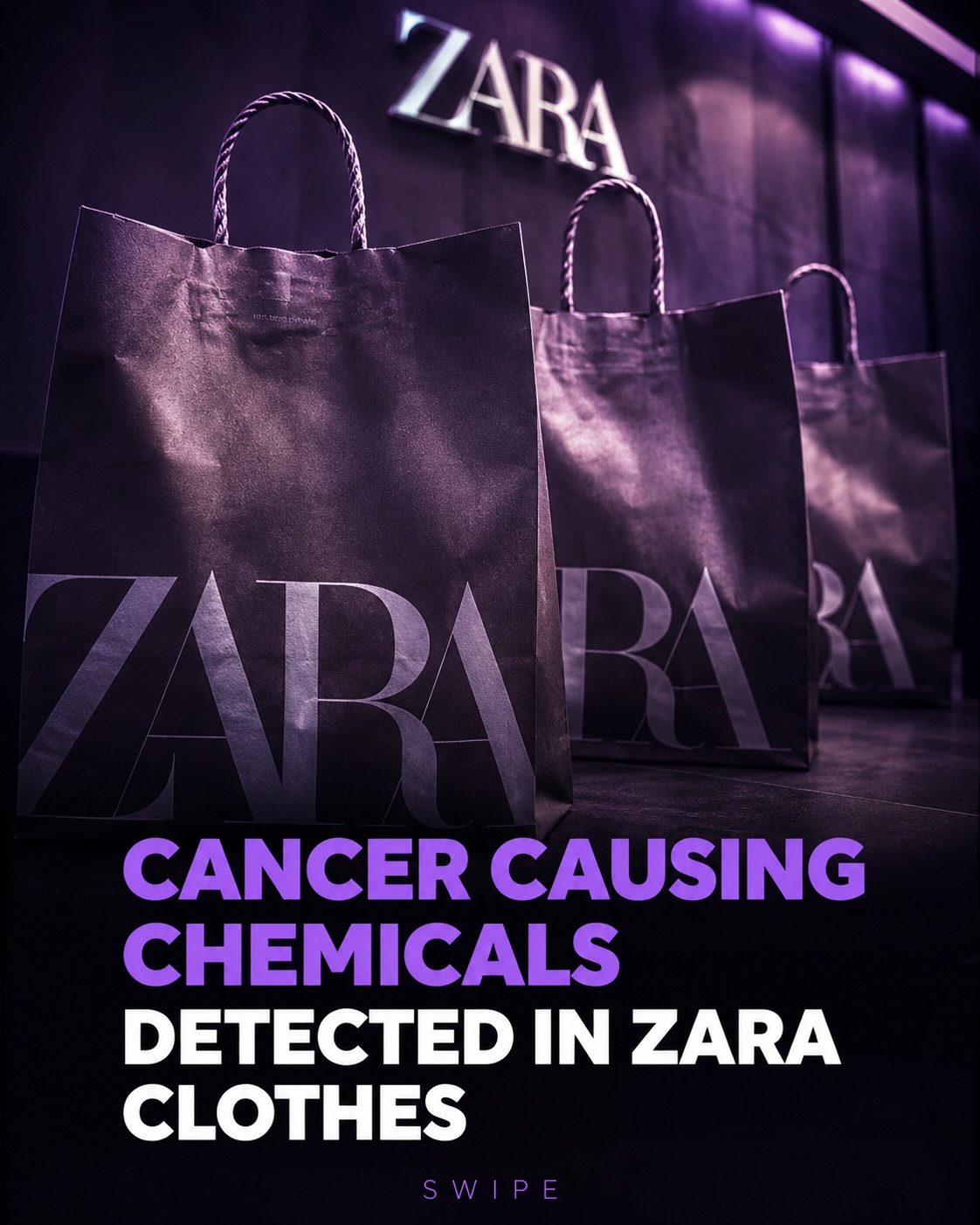
Zara Clothing Concerns
Zara, a prominent fast fashion brand, has faced significant scrutiny due to the detection of harmful chemicals in its clothing. The global environmental organization, Greenpeace, conducted a comprehensive study in 2012, examining 141 garments from 29 different countries. The results were alarming: 89 of the tested items contained nonylphenol ethoxylates (NPEs), and two garments were found to have cancer-causing amines, including o-dianisidine.
Context: Why This Matters
The presence of these chemicals in clothing is not just an issue of product quality; it has profound implications for public health. NPEs, when broken down, transform into nonylphenol, a compound known for its estrogen-like activity. This chemical can disrupt the endocrine system, leading to a range of health issues. The broader concern extends to the environmental impact, as these chemicals can enter the water system through laundry waste, further contaminating ecosystems.
Main Discussion
The Greenpeace Report
The findings from Greenpeace’s 2012 report are particularly troubling. The organization tested a diverse range of garments from major brands, not just Zara. However, Zara’s clothing stood out due to the high levels of contamination. Specifically, NPEs were detected at concentrations up to 2,600 parts per million (ppm), and o-dianisidine, a known carcinogen, was found in multiple children’s garments. This is a significant concern, as children are more vulnerable to the effects of these chemicals due to their developing bodies and immature immune systems.
Health Risks Associated with NPEs and o-dianisidine
NPEs and o-dianisidine pose serious health risks. Nonylphenol, the breakdown product of NPEs, acts as an endocrine disruptor, mimicking estrogen and interfering with the body’s hormone system. This disruption has been linked to various health issues, including infertility, early puberty, metabolic disruption, and even cancer, specifically breast and testicular cancer. The presence of o-dianisidine, a known carcinogen, further compounds these health concerns, making the contamination in children’s clothing particularly alarming.
The Role of Fast Fashion
The fast fashion industry, of which Zara is a key player, is built on rapid production and low costs. While this business model has made trendy clothing accessible to a wide audience, it often comes at the expense of environmental and health standards. The chemicals used in the production of these garments are often chosen for their affordability and efficiency rather than their safety. This raises important questions about the regulatory oversight and ethical practices within the fast fashion industry.
Practical Tips
What Can Consumers Do?
Consumers play a crucial role in driving change within the fashion industry. Here are some practical steps you can take to reduce your exposure to harmful chemicals and support more sustainable practices:
-
Choose Sustainable Brands: Opt for brands that prioritize sustainability and transparency in their production processes. Look for certifications like Organic, Fair Trade, or OEKO-TEX, which ensure that the clothing is free from harmful chemicals.
-
Check Labels: Pay attention to the labels on your clothing. Brands that are forthcoming about their materials and manufacturing processes are more likely to be trustworthy.
-
Wash Clothing Properly: Always follow the washing instructions on the labels. This not only helps maintain the quality of your clothes but also ensures that any residual chemicals are properly removed.
-
Support Regulation and Advocacy: Advocate for stricter regulations on the chemicals used in clothing production. Organizations like Greenpeace and other environmental groups work to push for these changes, and your support can make a difference.
Important Takeaways
The detection of harmful chemicals in Zara clothing highlights a broader issue within the fast fashion industry. The use of chemicals like NPEs and o-dianisidine poses significant health risks, especially for children. While the Greenpeace report focused on Zara, it is clear that this is a systemic problem affecting many brands. Consumers have the power to drive change by making informed choices and advocating for greater transparency and regulation in the fashion industry.
Conclusion
The findings from the Greenpeace report serve as a wake-up call for the fashion industry and consumers alike. The presence of harmful chemicals in clothing, particularly in children’s garments, underscores the need for stricter regulations and more sustainable practices. By choosing sustainable brands, being mindful of washing practices, and advocating for change, consumers can play an active role in improving the standards of the fast fashion industry. The health and well-being of consumers and the environment should always be a top priority.
Questions readers ask
What prompted Greenpeace's investigation into Zara's clothing?
Greenpeace's 2012 investigation was sparked by growing concerns about the environmental and health impacts of the fast fashion industry. The organization aimed to assess the presence of harmful chemicals in clothing products from various global brands, including Zara.
What specific chemicals did Greenpeace find in Zara's garments?
Greenpeace's study detected nonylphenol ethoxylates (NPEs) in 89 out of 141 tested Zara garments. Additionally, traces of o-dianisidine, a known carcinogen, were discovered in two of the tested items.
Why are NPEs and o-dianisidine concerning?
NPEs can break down into nonylphenol, an endocrine disruptor that can interfere with hormones and cause health issues. O-dianisidine is a cancer-causing amine, posing potential health risks to wearers and environmental concerns during the manufacturing and disposal of clothing.
How widespread was the chemical contamination in Zara's clothing?
The contamination was extensive, as the chemicals were detected across items sold in 29 different countries. This indicates that the issue is not localized but rather a global concern that affects consumers worldwide.
What are the potential health impacts of wearing clothing with these chemicals?
Wearing clothing contaminated with NPEs and o-dianisidine can potentially expose individuals to endocrine-disrupting chemicals and carcinogens. Long-term exposure to these substances may lead to various health issues, including hormonal imbalances and increased cancer risk.
What steps can consumers take to minimize exposure to harmful chemicals in clothing?
Consumers can take several steps, such as washing new clothes before wearing them, opting for brands that prioritize chemical safety and sustainability, and supporting regulatory measures that promote stricter chemical standards in the fashion industry.
What has been Zara's response to the Greenpeace findings?
After the Greenpeace report, Zara committed to eliminating hazardous chemicals from its supply chain by 2020, as part of the Detox campaign. However, it is essential for consumers to stay informed about the company's progress and any ongoing efforts to ensure chemical safety in their products.
Related deep dives
Similar reads based on topic and creator.



Recent articles
Fresh deep dives from the latest Reels we unpacked.




Comments
Be the first to comment.