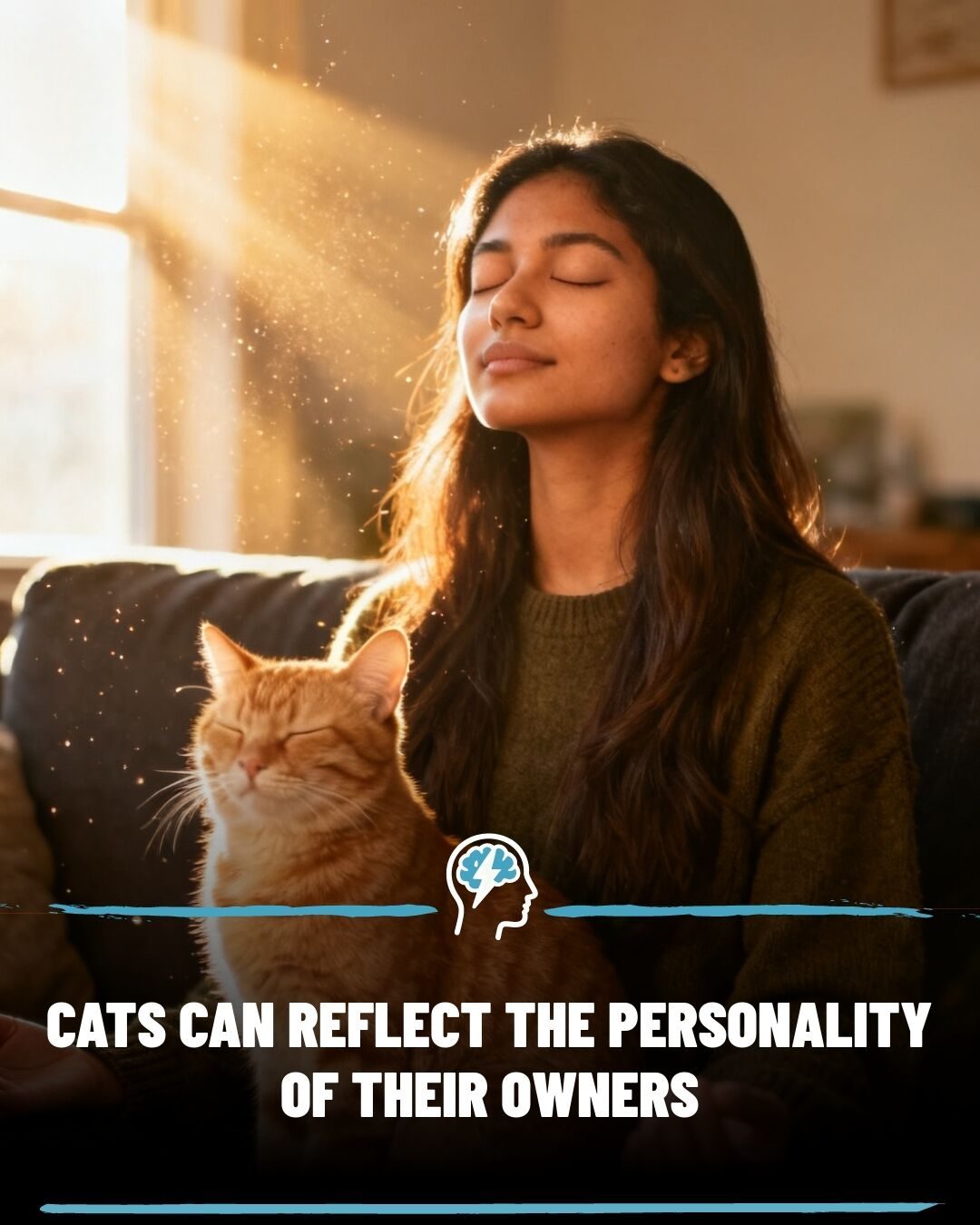
Cat Behavior and Owner Personality: A Fascinating Connection
Cats are known for their independent nature, yet research suggests that their behaviors and well-being might be more closely tied to their owners' personalities than previously thought. A study published in PLOS ONE explored the intriguing links between human psychology and feline behavior, revealing some surprising insights.
Context: Why This Matters
Understanding the connection between cat behavior and owner personality can enhance the bond between pets and their human companions. It can also provide valuable insights into creating a harmonious home environment for both parties. By recognizing how our personalities influence our cats, we can make adjustments that benefit both our emotional well-being and that of our feline friends.
The Science Behind the Connection
The study involved over 3,000 cat owners and examined the correlation between various personality traits and feline behavior. The research found that owners who scored higher in conscientiousness—those who are organized, reliable, and attentive—tended to have cats that displayed calmer, friendlier, and more sociable behaviors. These cats were less likely to exhibit anxious or aggressive tendencies.
On the other hand, owners who scored higher in neuroticism often reported cats with more behavioral challenges. Their feline companions showed increased anxiety, fearfulness, and even stress-related health issues. This suggests that the emotional states of cat owners can significantly impact their pets' behavior and overall wellbeing.
The Role of Caregiving Patterns
Researchers believe that the connection between owner personality and cat behavior is largely influenced by caregiving patterns and the home environment. Owners who are conscientious typically provide more structured, consistent care. This creates a sense of security that helps cats feel safe and relaxed. Conversely, inconsistent routines or anxious household energy can heighten a cat's stress response over time.
The Impact of Personality Traits
Conscientious owners, who are organized and attentive, tend to create a stable and predictable environment. This stability can reduce stress and anxiety in cats, leading to more sociable and friendly behavior. Conversely, neurotic owners, who may be more prone to anxiety and stress, can inadvertently create an environment that amplifies these emotions in their cats. This can result in increased anxiety, fearfulness, and even stress-related health issues.
Environmental Factors
The atmosphere you create at home becomes the world your cat lives in every single day. A calm and structured environment can help cats feel secure and content, while a chaotic or anxious environment can lead to heightened stress and behavioral problems. It's important to recognize that our emotional states and behaviors can significantly influence our pets.
Practical Tips
Creating a Calm Environment
To foster a harmonious environment for your cat, consider the following tips:
- Establish a Routine: Cats thrive on predictability. Try to feed, play, and interact with your cat at consistent times each day.
- Provide a Safe Space: Ensure your cat has a designated area where they can retreat and feel secure. This could be a cozy bed or a quiet corner.
- Engage in Playtime: Regular play sessions can help reduce stress and anxiety in cats. Use toys that mimic natural hunting behaviors to keep your cat mentally and physically stimulated.
- Maintain a Calm Demeanor: Cats are sensitive to their owners' emotions. Try to stay calm and composed, as your emotional state can influence your cat's behavior.
- Consistent Care: Providing consistent care, including regular vet check-ups, a balanced diet, and plenty of affection, can help create a sense of security for your cat.
Important Takeaways
While this research offers valuable insights, it's essential to remember that many factors influence cat behavior, including genetics, early life experiences, and individual temperament. Your personality is just one piece of a complex puzzle. The takeaway is not about blame or pressure to change who you are. Instead, it's a reminder that our pets may be more attuned to our emotional states than we realize.
The Power of Small Shifts
Small shifts toward routine, patience, and calm interactions could potentially benefit both you and your cat. For instance, establishing a regular feeding and playtime schedule can help reduce stress and anxiety for both parties. Additionally, creating a calm and structured environment can enhance the overall well-being of your feline friend.
Individual Differences
Every cat is unique, and results may vary between individuals. Some cats may be more sensitive to their owners' emotional states, while others may be more resilient. It's essential to observe your cat's behavior and adapt your approach accordingly.
Conclusion
The connection between cat behavior and owner personality is a fascinating area of study that offers valuable insights into creating a harmonious home environment for both humans and their feline companions. By understanding how our personalities and caregiving patterns influence our cats, we can make adjustments that benefit both our emotional well-being and that of our pets. Whether you're a conscientious owner striving for consistency or a neurotic owner looking to create a more peaceful home, recognizing and addressing these dynamics can lead to a more fulfilling and rewarding relationship with your cat.
Questions readers ask
How do my personality traits influence my cat's behavior?
Your personality traits can significantly influence your cat's behavior. For instance, if you are an introvert, your cat might be more reserved and less playful. Conversely, if you are outgoing and energetic, your cat might be more active and interactive. This is due to the subtle cues and behaviors that you display around your cat, which they pick up on and mimic over time.
Can my cat's behavior change if I change my own behavior?
Yes, cats are highly adaptable and responsive to changes in their environment and the behavior of their owners. If you consciously make adjustments to your behavior, such as becoming more active or providing more playtime, your cat is likely to adapt and exhibit corresponding changes in their behavior.
What are some common feline behavior patterns that might reflect my personality?
Some common feline behavior patterns include grooming, sleeping habits, and playfulness. If your cat is overly groomed or sleeps a lot, it might reflect a more relaxed or introverted personality in the owner. Conversely, a highly playful cat might indicate an energetic and outgoing owner. It's important to consider these behaviors in the context of your own personality traits.
How does the relationship between a cat and its owner shape each other's behaviors?
The relationship between a cat and its owner is a two-way street. Your cat's behavior can also influence your own behavior and well-being. For example, a cat that is particularly affectionate might encourage you to spend more quality time at home, fostering a stronger emotional bond. Conversely, a cat that is more independent might prompt you to engage in other activities, thus shaping your daily habits.
How can understanding this connection help improve my relationship with my cat?
By understanding how your cat's behavior mirrors your personality, you can make informed adjustments to create a more harmonious environment. For example, if you notice that your cat is overly anxious, you might consider reducing stress in your own life, which could in turn calm your cat. Similarly, if your cat is more energetic, you might engage in more interactive play, thereby enhancing the bond between you and your cat.
Are there any specific studies that support the link between cat behavior and owner personality?
Yes, there are studies that have explored this connection. For example, a study published in PLOS ONE delved into the fascinating links between human psychology and feline behavior. The research revealed that cats often mirror the personality traits of their owners, providing valuable insights into the relationship between feline owner personality and cat behavior patterns.
How can I better understand the personality traits in my cat?
To better understand your cat's personality traits, pay close attention to their behavior patterns. Observe how they interact with you and their environment. Do they seek out attention or prefer solitude? Are they playful or more reserved? By noting these behaviors, you can gain a deeper understanding of your cat's personality and how it might be influenced by your own traits and behaviors.
Related deep dives
Similar reads based on topic and creator.




Recent articles
Fresh deep dives from the latest Reels we unpacked.




Comments
Be the first to comment.