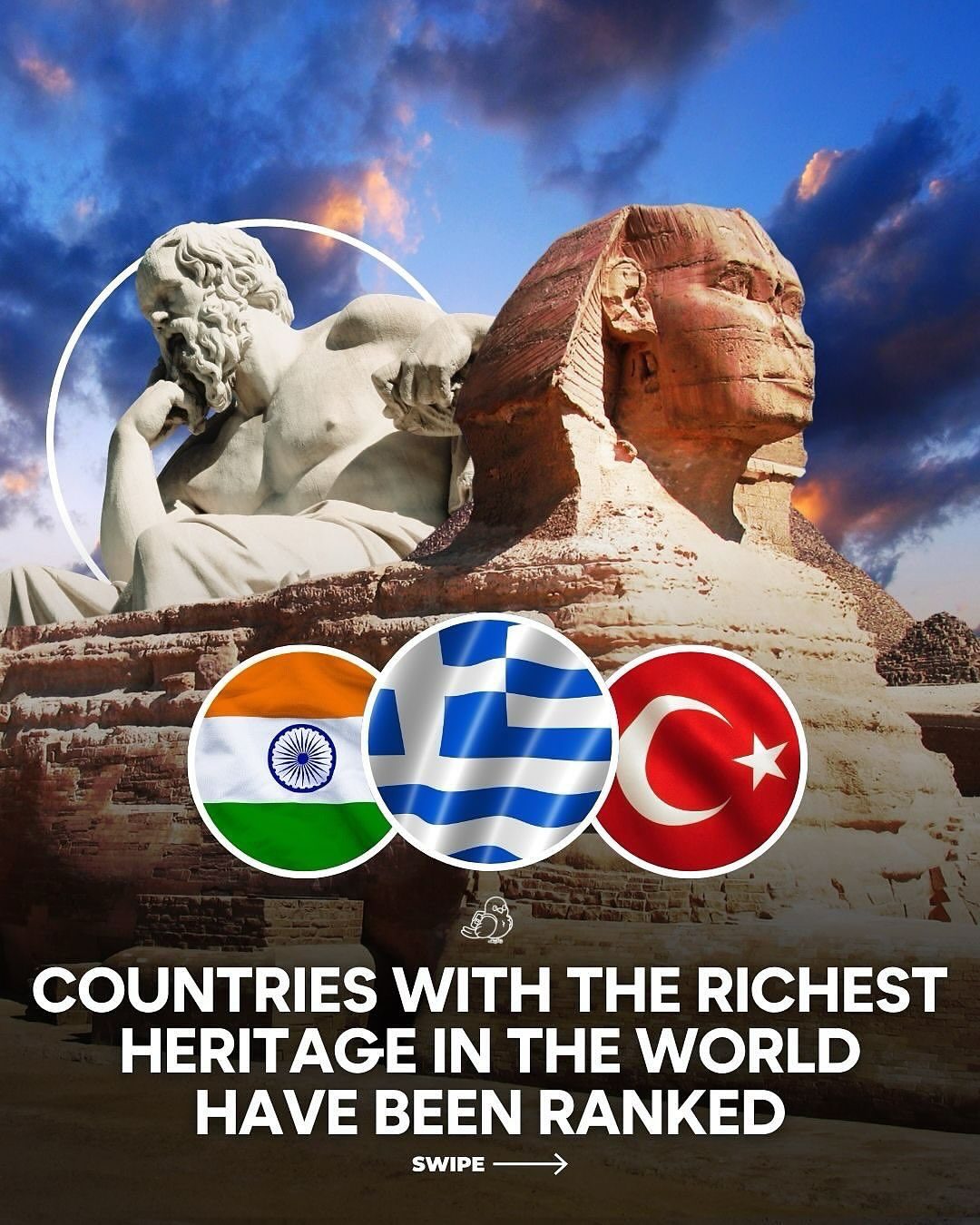
Countries with the Richest Heritage
Heritage is more than just ancient buildings or old traditions. It's a tapestry woven from deep-rooted customs, iconic landmarks, and centuries of history that have shaped societies and cultures around the world. U.S. News & World Report has ranked the countries with the richest heritage, and the list offers a fascinating journey through time and culture.
Why This Matters
Understanding a country's heritage provides insight into its people, their values, and their way of life. It's a window into the past that helps us appreciate the present. Whether you're a history buff, a culture enthusiast, or a traveler seeking authentic experiences, exploring the richest heritage sites can be both educational and inspiring.
Deep-Dive into Heritage
The Essence of Heritage
Heritage is not just about monuments and museums. It's about the intangible aspects of a culture—traditions, languages, and customs that have been passed down through generations. These elements are as crucial as the tangible ones, forming the foundation of a country's identity.
Iconic Landmarks
Landmarks are often the first thing that comes to mind when thinking about a country's heritage. They are visible embodied symbols of history and culture. From the grandeur of the Pyramids of Egypt to the opulence of the Palace of Versailles in France, these structures tell stories of power, artistry, and innovation.
Countries with the Richest Heritage
Egypt: A Land of Mysteries
Egypt, ranked 7th, is a treasure trove of ancient wonders. The Pyramids of Giza, the Sphinx, and the Valley of the Kings are just a few of the iconic sites that draw visitors from around the world. Egyptian heritage includes not only architectural marvels but also a rich cultural legacy that includes hieroglyphics and the world's first written language.
France: The Heart of Culture
France, ranked 4th, is renowned for its cultural richness. The country is home to iconic landmarks like the Eiffel Tower, the Louvre Museum, and the Palace of Versailles. It is also celebrated for its artistic and literary contributions, with renowned figures like Monet, Degas, and Victor Hugo.
Highlights from Around the World
The United States: A Melting Pot of Cultures
The United States, though not ranked in the top 10, is a cultural melting pot. Its heritage includes contributions from indigenous peoples, European settlers, and successive waves of immigrants. Landmarks like the Statue of Liberty and Mount Rushmore symbolize freedom, democracy, and unity.
Italy: The Cradle of Western Civilization
Italy is often considered the cradle of Western civilization. With its rich heritage dating back to the Roman Empire, Italy boasts some of the world's most celebrated landmarks, including the Colosseum, the Pantheon, and the canals of Venice. Italian heritage is also deeply rooted in art, music, and cuisine, influencing global culture in profound ways.
Practical Tips for Exploring Heritage
Plan Ahead
Whether you're a seasoned traveler or a first-timer, planning is crucial. Research the destinations you want to visit, their significance, and the best times to go. Make sure to check opening hours, entry requirements, and any special events or exhibits.
Engage with Locals
Locals are often the best guides. They can provide insights and stories that you won't find in any guidebook. Don't hesitate to strike up conversations, ask questions, and learn from their experiences.
Respect Cultural Norms
Every country has its own set of customs and etiquette. Be respectful of local traditions, dress codes, and behavior expectations. This not only shows respect but also enhances your overall experience.
Important Takeaways
Heritage is Alive
Heritage is not static; it evolves with time. It's the sum of both tangible and intangible elements that shape a country's identity. Understanding this dynamic nature can deepen your appreciation for different cultures.
Travel with an Open Mind
Traveling to heritage sites is more than just sightseeing. It's an opportunity to immerse yourself in different cultures, learn from them, and grow as a person. An open mind and heart are essential for a meaningful journey.
The Value of Preservation
Preserving heritage is crucial for future generations. It's a responsibility we all share to protect and cherish these cultural treasures for posterity.
Conclusion
Heritage is a living, breathing entity that connects us to our past and shapes our future. The countries with the richest heritage offer a glimpse into the rich tapestry of human history and culture. Whether you're planning to visit these countries or simply want to learn more, embracing the essence of heritage can be a transformative experience.
Related deep dives
Similar reads based on topic and creator.




Recent articles
Fresh deep dives from the latest Reels we unpacked.



Comments
Be the first to comment.